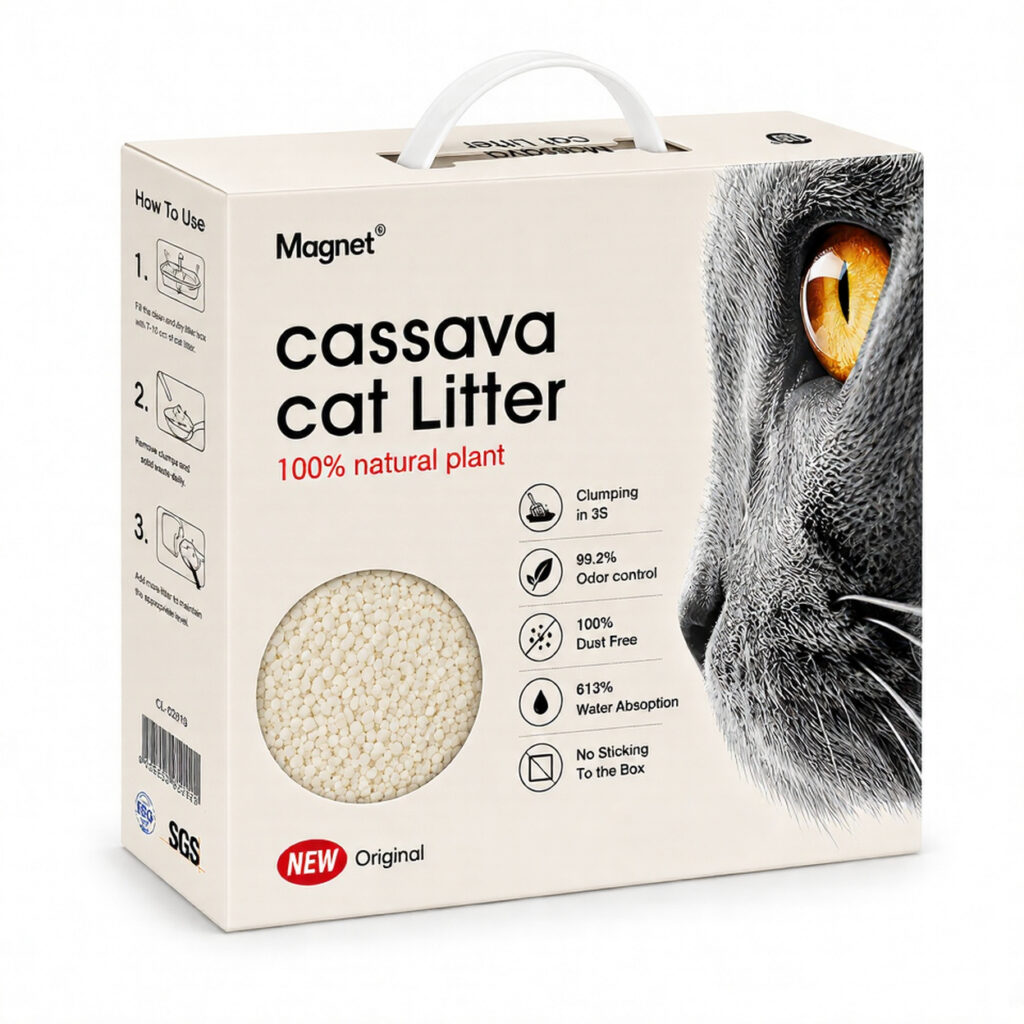
Are you a cat owner looking to provide the best possible living environment for your feline friend? One crucial aspect of cat care is choosing the right litter. This comprehensive guide will delve into the world of cat litter, exploring different types, benefits, and considerations to help you make an informed decision.
Whether you’re a seasoned cat owner or just bringing a new kitten home, understanding cat litter is essential for maintaining a clean, healthy, and happy environment for your furry companion.
What is Cat Litter?
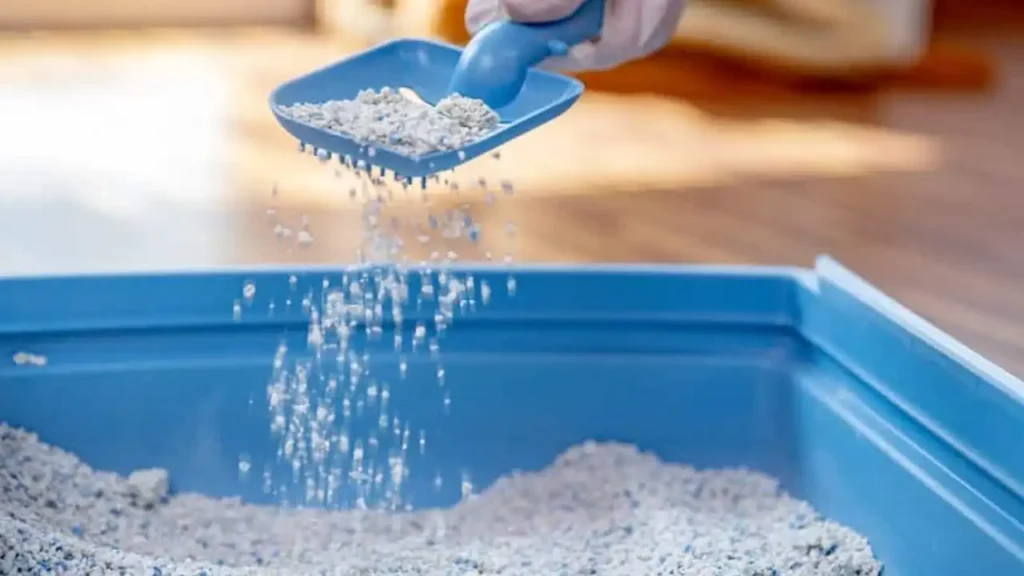
Cat litter is a granular material used in a cat’s litter box to absorb urine and feces. It plays a vital role in maintaining a clean and hygienic environment for your cat. There are several types of cat litter available, each with its own unique characteristics and benefits.
In the following sections, we will explore the different types of cat litter and discuss their advantages and disadvantages.
The Origin of Cat Litter
The exact origin of cat litter is somewhat unclear, but it is believed to have developed as a more convenient alternative to the traditional methods of cat waste disposal.
Early Practices:
- Outdoor Disposal: In ancient times, cats were often allowed to roam freely outdoors, where they would relieve themselves in gardens or alleys.
- Sand or Ash: Some households might have used sand or ashes to absorb moisture and control odors.
The Rise of Indoor Cats:
- Domestication: As cats became more domesticated and kept indoors, there was a need for a more sanitary and convenient way to manage their waste.
- Commercialization: The development of commercial cat litter products likely began in the mid-20th century, as cat ownership became more widespread.
Innovation and Variety:
Over the years, cat litter has evolved, with the introduction of various materials, such as clay, silica gel, and natural substances. Innovations in clumping technology and odor control have also contributed to the popularity and effectiveness of modern cat litter.
What is Cat Litter Made Of?
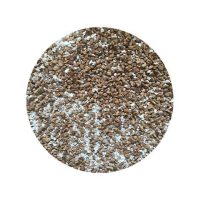
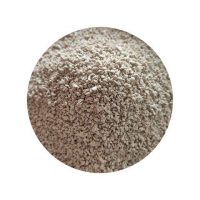
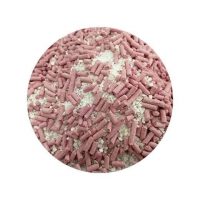
Cat litter is typically made from a variety of materials, including:
- Clay: This is the most common type of cat litter and is known for its excellent absorption properties. Clay litter can be further classified into clumping and non-clumping varieties.
- Silica Gel: Silica gel litter is made from tiny beads that absorb moisture quickly and efficiently. It is often advertised as being odor-controlling and dust-free.
- Corn: Corn-based litter is a biodegradable and eco-friendly option. It is made from corn kernels that have been processed and expanded.
- Wheat: Wheat litter is similar to corn litter in that it is biodegradable and environmentally friendly. It is made from wheat husks.
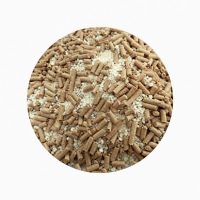
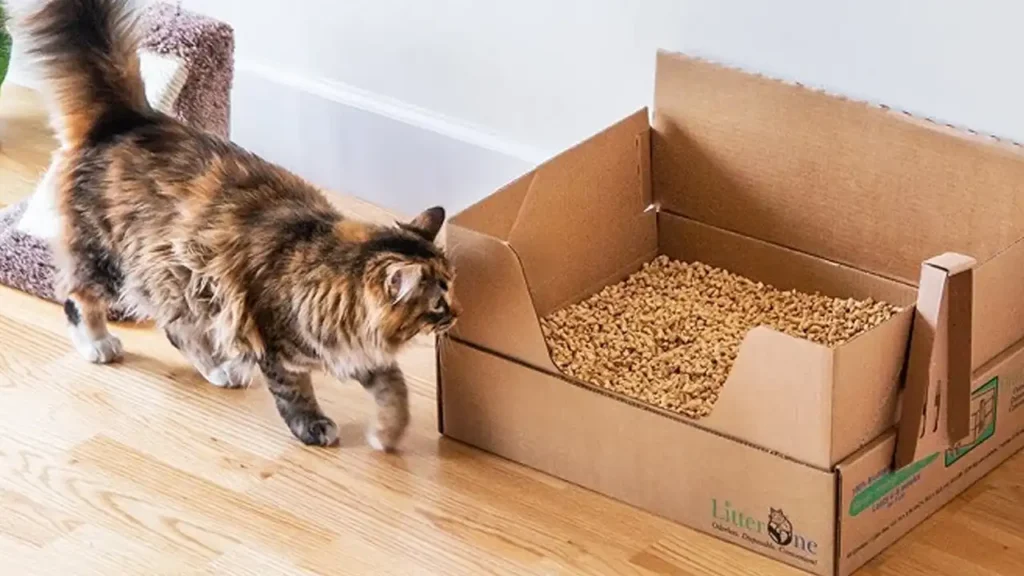
- Wood: Wood litter is another natural and biodegradable option. It is made from wood shavings or pellets.
- Recycled Paper: Recycled paper litter is a sustainable choice that is made from recycled paper products.
Each type of cat litter has its own unique properties and benefits, and the best choice for you will depend on your individual needs and preferences.
Types of Cat Litter
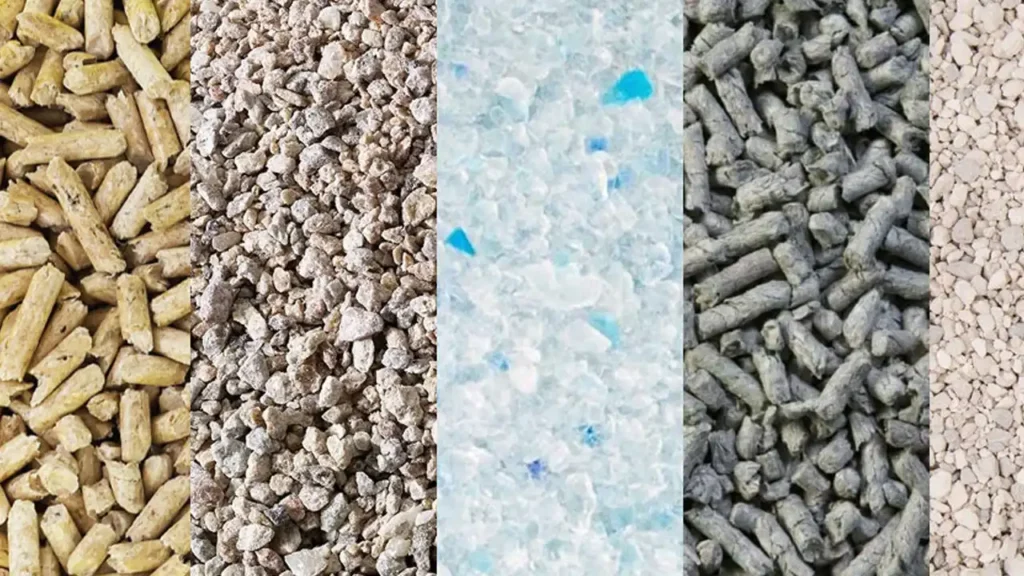
There are several different types of cat litter available, each with its own unique characteristics and benefits. Here are some of the most common types:
Clumping Cat Litter
- How it works: Clumping cat litter forms clumps when it comes into contact with urine, making it easy to scoop out and dispose of.
- Benefits: Clumping litter is highly absorbent and helps control odors. It is also easy to clean and maintain.
- Drawbacks: Some clumping litters can be dusty, and they may not be suitable for cats with respiratory problems.
Non-Clumping Cat Litter
- How it works: Non-clumping litter does not form clumps, but it is still absorbent and helps control odors.
- Benefits: Non-clumping litter is often less expensive than clumping litter, and it can be easier on a cat’s paws.
- Drawbacks: Non-clumping litter can be more difficult to clean, as it requires more frequent scooping and replacement.
Silica Gel Cat Litter
- How it works: Silica gel litter is made from tiny beads that absorb moisture quickly and efficiently.
- Benefits: Silica gel litter is highly absorbent, odor-controlling, and dust-free. It is also low-tracking, meaning it is less likely to be tracked throughout your home.
- Drawbacks: Silica gel litter can be more expensive than other types of litter, and it may not be suitable for all cats.
Natural Cat Litter
- How it works: Natural cat litter is made from biodegradable materials such as corn, wheat, or wood.
- Benefits: Natural cat litter is environmentally friendly and can be flushed down the toilet (check local regulations). It is also often less dusty than other types of litter.
- Drawbacks: Natural cat litter may not be as absorbent or odor-controlling as other types of litter.
Recycled Paper Cat Litter
- How it works: Recycled paper litter is made from recycled paper products.
- Benefits: Recycled paper litter is environmentally friendly and highly absorbent. It is also dust-free and low-tracking.
- Drawbacks: Recycled paper litter may not be as odor-controlling as other types of litter.
The best type of cat litter for you will depend on your individual needs and preferences. Consider factors such as your cat’s health, budget, and environmental concerns when deciding.
What is Cat Litter Used For?
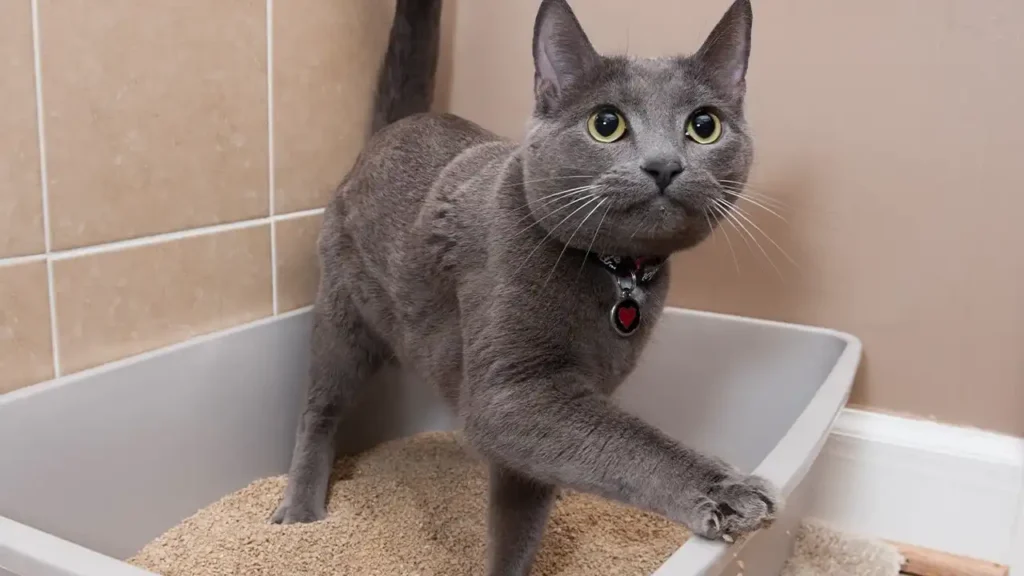
Here are the uses and applications of cat litter that you can get to know:
Beyond its primary function of absorbing waste and controlling odors, cat litter also plays a significant role in:
- Cat Health: Regular cleaning of the litter box helps to prevent the spread of diseases and parasites, such as toxoplasmosis and roundworms.
- Home Hygiene: By containing cat waste, litter helps to keep your home clean and free from unpleasant odors and potential health hazards.
- Behavior Management: A clean and comfortable litter box can help to prevent behavioral problems, such as inappropriate elimination outside the litter box.
- Environmental Impact: Many modern cat litter options are made from eco-friendly materials, such as recycled paper or natural fibers, reducing the environmental impact of pet waste disposal.
Therefore, cat litter is not only necessary for cat owners but also a valuable tool for maintaining the health and well-being of your cat and your home environment.
How Does Cat Litter Work?
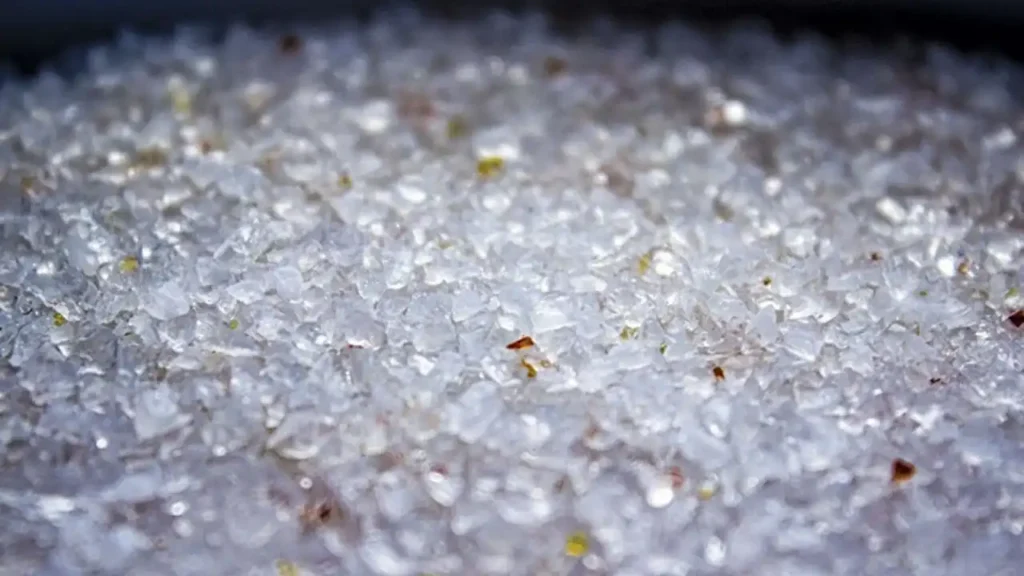
How Cat Litter Works
Cat litter primarily works through its absorbent properties. The materials used in cat litter, such as clay, silica gel, or natural substances, are designed to absorb moisture and neutralize odors.
- Absorption: When a cat urinates or defecates in the litter box, the litter particles absorb the liquid and solid waste. This prevents the waste from spreading and creating a mess.
- Odor Control: Many types of cat litter contain additives or are made from materials that help to neutralize unpleasant odors. This is often achieved through a combination of absorption and odor-masking agents.
The Clumping Mechanism:
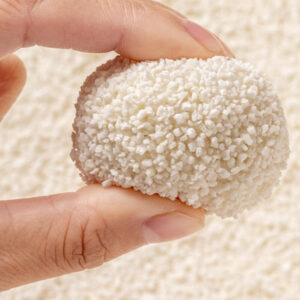
- Clumping Litters: Clumping litters form clumps when they come into contact with urine. This makes it easy to scoop out the clumps, along with the waste, leaving the rest of the litter clean.
- Non-Clumping Litters: Non-clumping litters do not form clumps but still absorb waste. They may require more frequent scooping and replacement.
Silica Gel Litters:
- Moisture Absorption: Silica gel litters are highly absorbent and can quickly soak up moisture from urine and feces.
- Odor Control: The beads in silica gel litters help to trap odors, providing effective odor control.
Natural Litters:
- Absorption: Natural litters, such as corn or wheat-based litters, are also absorbent and can effectively soak up waste.
- Biodegradability: Many natural litters are biodegradable, making them a more environmentally friendly option.
By understanding how cat litter works, you can choose the best type for your cat’s needs and ensure a clean and healthy environment for both your pet and your home.
Is Cat Litter Harmful to Humans?
Cat litter is generally not harmful to humans. However, there are a few things to keep in mind:
- Dust: Some types of cat litter, especially clay-based litters, can be dusty. If you have allergies or respiratory problems, you may want to choose a dust-free option.
- Toxoplasmosis: Cats can carry a parasite called Toxoplasma gondii, which can be found in their feces. If you are pregnant or have a weakened immune system, it is important to handle cat litter with care and wear gloves.
- Chemicals: Some cat litters may contain chemicals or fragrances that can irritate your skin or lungs. Choose a fragrance-free and chemical-free litter if you have sensitive skin or allergies.
The risk of harm from cat litter is minimal if handled properly. It is always a good idea to wash your hands after handling cat litter or cleaning the litter box.
Conclusion
Choosing the right cat litter is essential for providing a clean, healthy, and comfortable environment for your feline friend. By understanding the different types of cat litter, their benefits, and how they work, you can make an informed decision that suits both your cat’s needs and your lifestyle.
Remember to consider factors such as:
- Your cat’s preferences
- Your lifestyle
- Litter box maintenance
- Environmental concerns
Are you looking for high-quality wholesale cat litter?
Look no further! Our company offers a wide range of premium cat litter options at competitive prices. Contact us today to learn more about our products and how we can help you meet the needs of your customers.
By choosing our wholesale cat litter, you can be confident that you are providing your customers with the best possible products for their feline companions.