Sourcing cat litter wholesale looks simple until a brand actually tries to do it — then the questions pile up fast. Which raw material fits your price point? What does OEM actually involve? How small can a first order realistically be? What certifications matter versus what’s just a logo on a landing page?
This guide walks through the full sourcing process end to end: materials, private label, minimum order quantities, quality certifications, packaging, factory location, logistics, and a practical checklist for choosing a partner. Each section links out to a deeper article if you want to go further on a specific step.
What Does a Cat Litter Manufacturer Actually Do?
Not every company that ranks for “cat litter manufacturer” is actually running production lines. Some are trading companies that source from multiple factories and resell under their own name, which can still work well for a buyer, but it changes what you should expect on pricing transparency, formula consistency, and lead times.
A genuine cat litter manufacturer controls its own raw material sourcing, mixing, granulating, drying, and packaging lines, and can typically show a real factory address, production capacity figures, and product-specific test certificates rather than generic company claims. That distinction matters most when something goes wrong with a batch — a manufacturer can trace the issue back to a specific production run; a pure trading company often can’t.
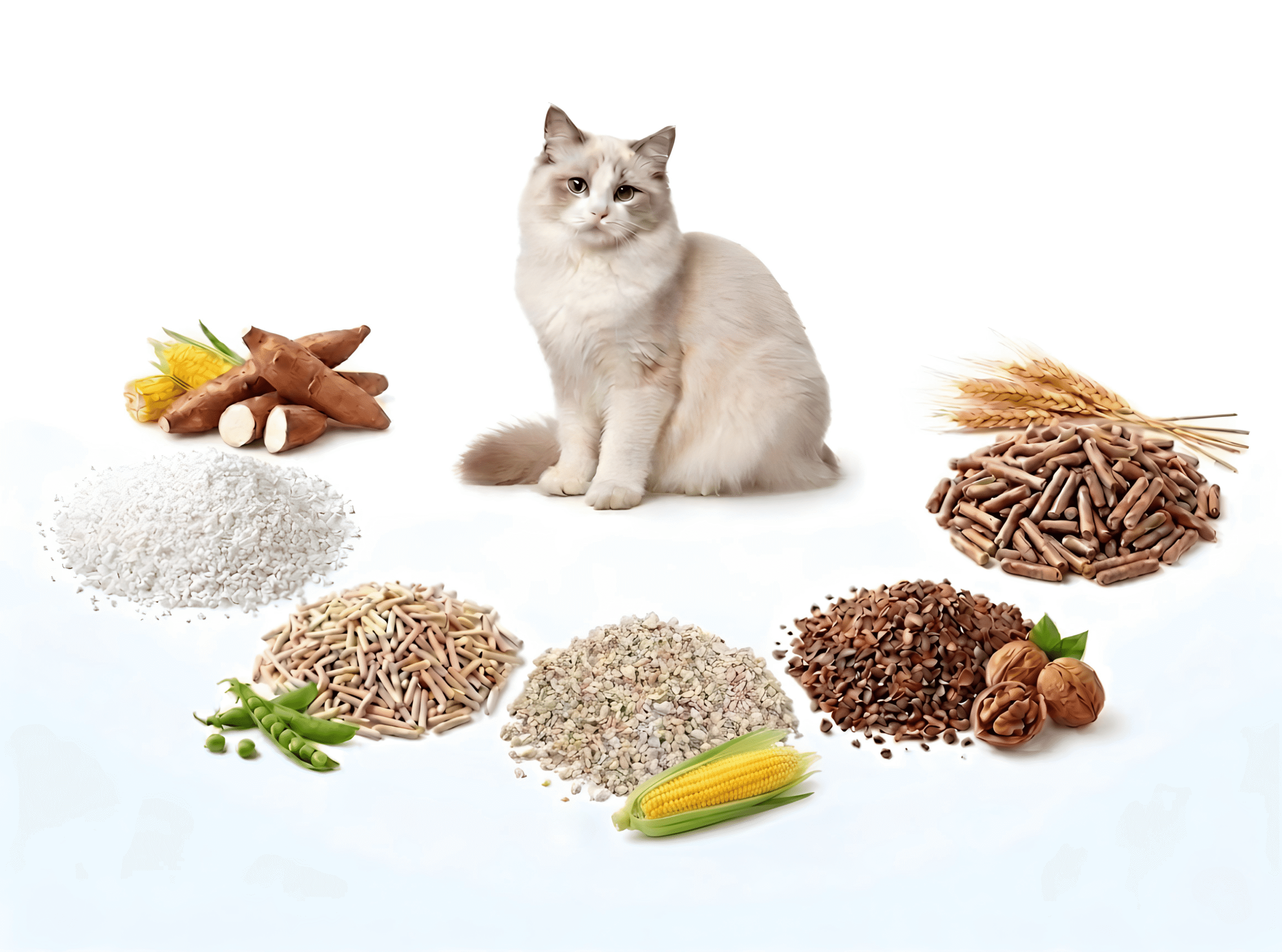
Types of Cat Litter Materials
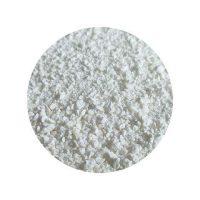
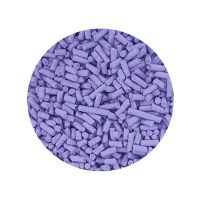
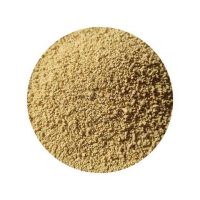
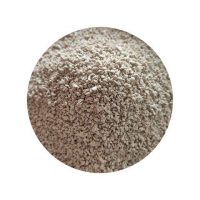
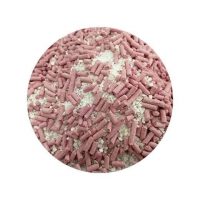
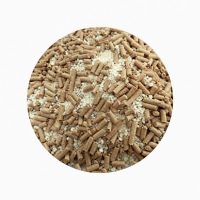
Material choice is the first real decision, and it shapes formula cost, retail positioning, and even which markets are open to you (some EU import rules treat clay and plant-based litters differently).
- Tofu cat litter — made from soybean fiber byproduct, very lightweight, flushable, popular in premium plant-based lines.
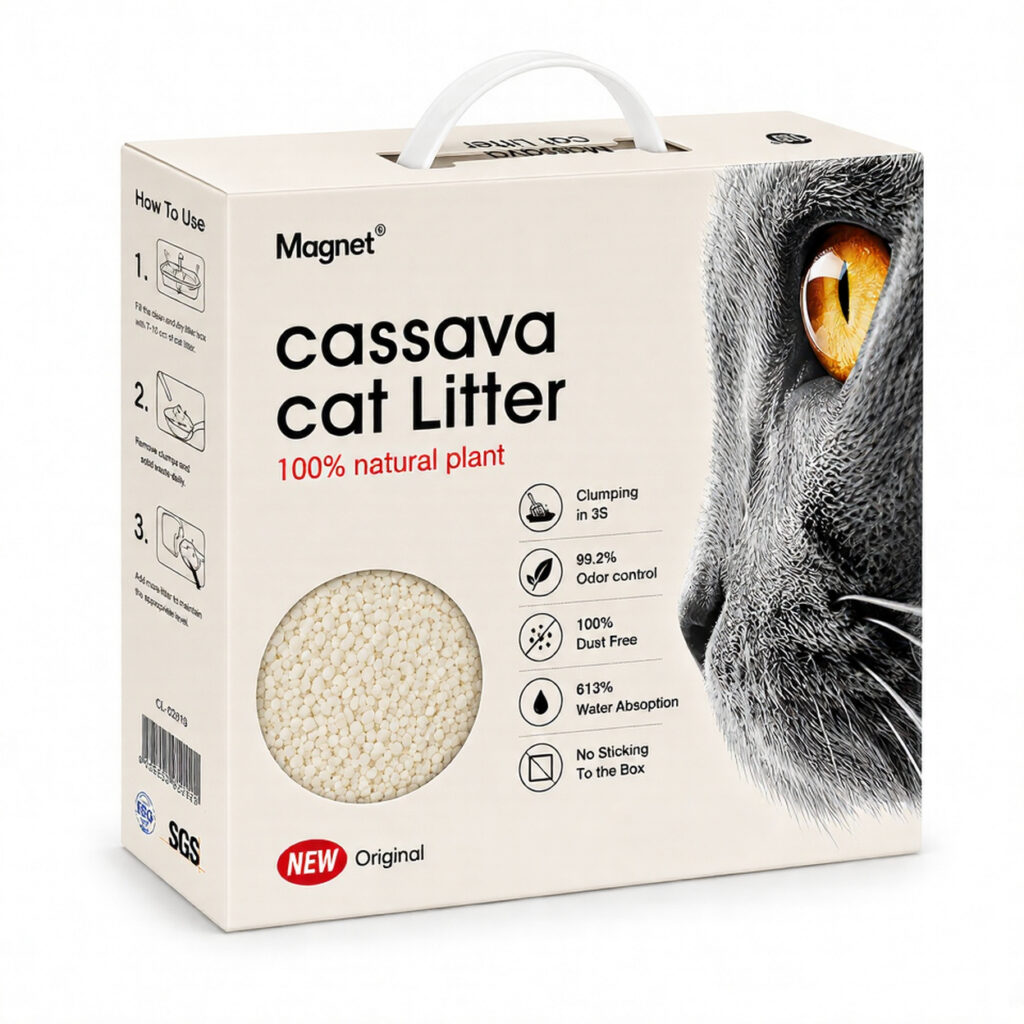
- Cassava cat litter — one of the fastest-moving formulas in North American and European retail right now, strong clumping with a naturally fine texture.
- Corn cat litter — good natural odor absorption, often used in mid-tier plant-based lines.
- Wheat straw cat litter — naturally enzyme-active odor control, a longtime plant-based staple.
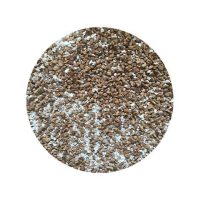
- Walnut shell cat litter — dense and low-tracking, valued for dust control.
- Mixed cat litter — blends like tofu & cassava or walnut & cassava, built to hit a specific price-performance target between two single-material lines.
There’s no universal “best” material — it depends on your target retail price, your customers’ clumping and odor priorities, and which claims (flushable, biodegradable, low-dust) matter most to your positioning. A dedicated comparison of tofu, cassava, and corn is worth reading in full before you commit to a formula.
OEM & Private Label: How the Process Actually Works
OEM (Original Equipment Manufacturer) production means the factory makes the product to your specification and puts your brand on it — formula, scent, clumping strength, granule size, color, and packaging can all be customized rather than picking from an existing catalogue.
A typical process runs in five stages: initial formula and packaging discussion, sample production, sample testing and approval (clumping time, dust level, odor control), a pilot production run, then full bulk order. Brand logo printing on packaging is usually the fastest part of the process — the real time sink is formula iteration if you’re chasing a specific clumping or dust-control result that differs from the factory’s standard line.
Practical tip: Start with the factory’s existing formula and only customize packaging and branding for your first order. Save formula-level customization for your second or third order, once you have real sell-through data and know exactly what your customers respond to.
MOQ, Sample Requests & Lead Times
Minimum order quantity is usually the first deal-breaker question for a new brand. Standard MOQs across China-based cat litter factories typically start around one 20ft container, though some manufacturers offer smaller trial runs for brands that want to test a formula before scaling up.
Sample requests generally move faster than most buyers expect — an existing formula sample can often ship within days, while a fully custom formula (new scent, different clumping agent ratio, non-standard granule size) takes longer because it involves lab-level iteration rather than just pulling stock off a line.
| Stage | Typical Timeframe |
|---|---|
| Standard formula sample | 3–7 days |
| Custom formula sample | 2–4 weeks |
| Pilot production run | 1–2 weeks after sample approval |
| Full container production | 3–5 weeks depending on volume and season |
Certifications & Quality Control
Certifications tell you whether a factory’s claims are backed by third-party testing rather than marketing copy. The most relevant ones for cat litter buyers are SGS (product safety and performance testing), ISO 9001 (quality management systems), TÜV, CTI, and MSDS documentation for cross-border shipping compliance.
For plant-based formulas specifically, ask about mould and aflatoxin testing — this matters more for tofu, corn, and cassava litters than most first-time buyers realize, since these are organic materials that require proper moisture control during production and storage. A factory that can show you product-specific certificates tied to a batch, rather than a general company certificate, is usually the more rigorous partner.
Packaging Options
Packaging affects shelf appeal, shipping cost, and unit economics all at once. Common options include:
- Kraft paper bags — lower cost, strong “natural” shelf positioning, less moisture resistance.
- PE bags — better moisture barrier, standard for most bulk and mid-tier retail lines.
- Laminated pouches — premium shelf presence with strong barrier properties, typically used for higher-price-point retail SKUs.
Bag sizes commonly run 2.5kg, 5kg, and 10kg, with custom sizing available for brands targeting a specific retail price bracket or a bulk/warehouse-club format.
China vs. Vietnam Manufacturing
Most global cat litter supply still traces back to Chinese manufacturers, but Vietnam-based production has grown as a second option, mainly for buyers shipping into the US market who want a tariff advantage without leaving the same production and certification framework. A factory operating both a China base and a Vietnam base can offer real origin flexibility rather than a single point of failure — worth asking about directly if your business ships primarily to North America.
Shipping & Logistics
Importing cat litter involves standard FOB or CIF terms, with most orders moving as FCL (full container load) once a brand is past its first trial order, and LCL (less than container load) available for smaller test volumes. Customs clearance documentation, MSDS sheets, and country-specific import requirements (particularly for plant-based, organic-origin materials) should be confirmed with your factory before the first shipment, not after it’s already at port.
How to Choose the Right Cat Litter Manufacturer
Once you’ve narrowed a list of candidates from a broader search of cat litter manufacturers and suppliers, a short checklist keeps the decision grounded in facts rather than sales pitches:
- Ask for the raw material source and processing method, not just the finished formula name.
- Request current, product-specific certificates — not general company-level claims.
- Test samples against your own clumping, dust, and odor criteria, not the factory’s spec sheet.
- Confirm monthly production capacity against your expected order volume, including peak-season surge.
- Clarify MOQ, lead time, and payment terms in writing before sample approval, not after.
Frequently Asked Questions
Is private label cat litter profitable for a new pet brand?
Margins depend heavily on formula and packaging choice, but plant-based litters — tofu, cassava, corn — typically carry higher retail margins than bentonite, since they command a premium shelf price while raw material and freight costs stay broadly comparable at scale.
What’s the average MOQ for OEM cat litter?
Many China-based manufacturers can start OEM programs at one 20ft container, with some factories offering smaller trial runs for new brands still validating a formula before committing to full container volumes.
How long does private label sample development take?
Standard samples from an existing formula usually ship within a few days to a week. Fully custom formulas — new scent, clumping strength, or packaging structure — typically take several weeks of iteration before a final sample is approved.
Guide summary: Cat litter sourcing runs through six real decisions — material, OEM scope, MOQ, certifications, packaging, and factory location — before logistics ever enters the picture. Get those six right and the shipping conversation becomes routine rather than risky.
Get Wholesale Pricing & Free Samples
Factory-direct supply across cassava, tofu, corn, walnut shell, wheat straw and mixed formula lines, with full OEM and private label support.
Request Your Quote →