

Ask five suppliers “what does a container of cat litter cost” and you’ll get five different numbers, because the question itself is incomplete. Formula, packaging, destination port, and order structure all move the final number more than the base material price does — and the FOB quote on a supplier’s price list is rarely the number that determines whether your launch is actually profitable.
This breaks private label cat litter cost into its real components — raw material by formula, packaging, freight and duty, and MOQ — so you can build your own landed-cost model instead of comparing headline quotes. It’s part of our OEM & private label cat litter guide.
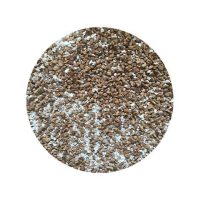
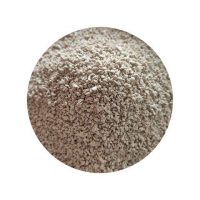
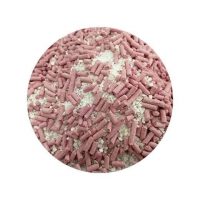
Private Label Cat Litter Cost by Raw Material: Bentonite vs Tofu vs Cassava vs Corn
Raw material is the single biggest cost lever, and the formulas don’t sit on the same scale — they trade off differently between cost, weight, and retail positioning:
| Formula | Relative Raw Material Cost | Weight vs Bentonite | Typical Retail Positioning |
|---|---|---|---|
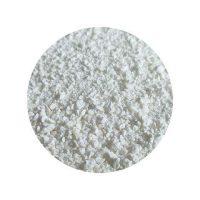
| Bentonite (clay) | Lowest | Heaviest | Value / budget tier |
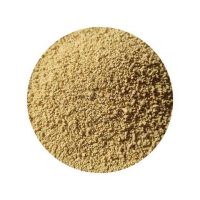
| Corn | Low-to-mid | Lighter | Mid-tier plant-based |
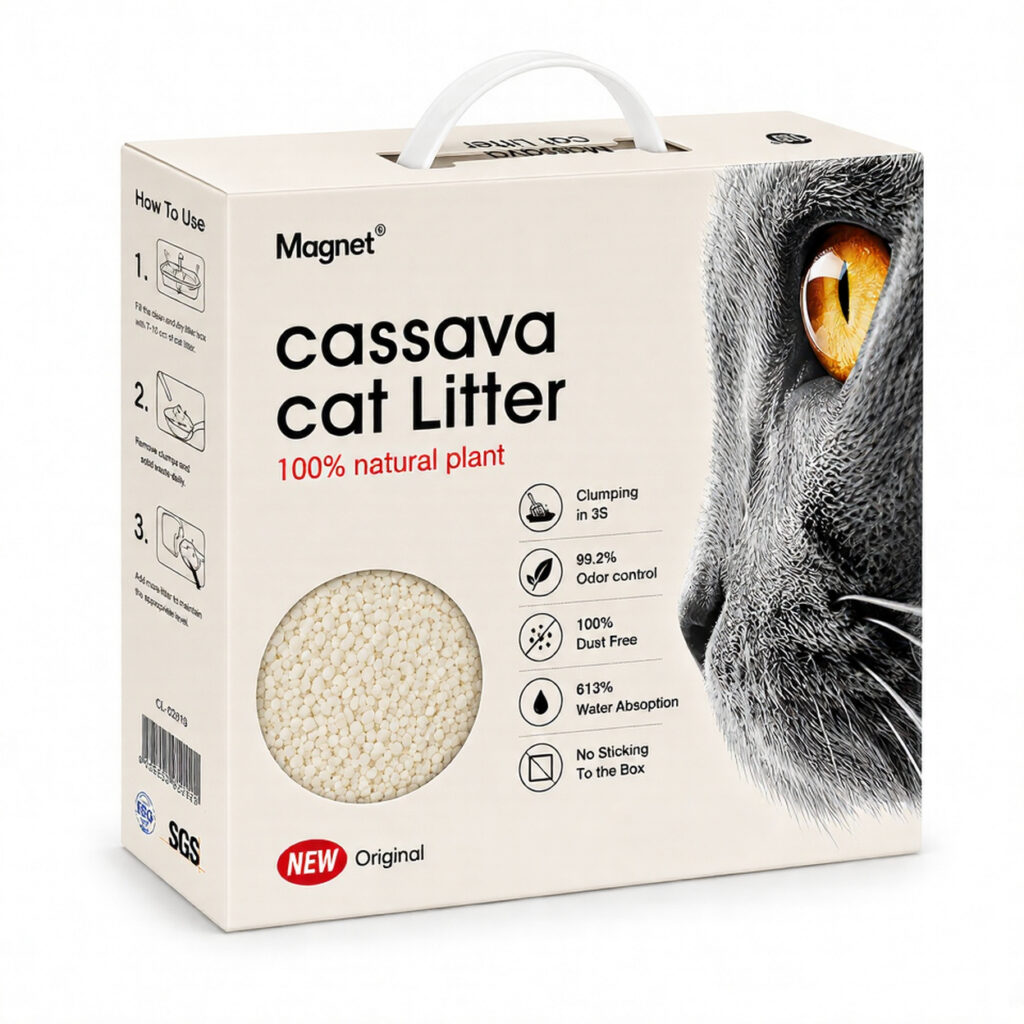
| Cassava | Mid-to-high | Light | Premium plant-based |
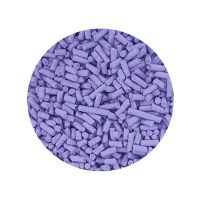
| Tofu | High | Lightest | Premium, flushable claim |
This is why comparing “cost per kilogram” across formulas is misleading on its own. Bentonite looks cheapest by raw material cost, but it’s also the heaviest to ship, and it caps out at a lower retail price than a plant-based formula can command. A brand that only compares raw material line items usually gets the margin math wrong.
Cat Litter MOQ Cost: What One 20ft Container Actually Represents
Most wholesale cat litter factories set MOQ around one 20ft container, and this is where a first-time buyer’s total upfront investment gets set — not just the per-unit price. A full container locks in your unit economics at scale, but it also means your first order is a real inventory commitment, not a small test batch.
If your budget can’t support a full container on order one, ask directly about smaller trial runs or LCL (less-than-container-load) shipping. It costs more per unit, but it converts a large fixed bet into a smaller, reversible test — often the better trade for a brand that hasn’t validated demand yet.
Practical tip: Before locking a container size, calculate your storage and cash-flow runway, not just your budget. A container that’s cheap per unit but takes eight months to sell through ties up capital longer than a slightly more expensive smaller order that turns over in ten weeks.
Packaging Cost: Kraft Bags vs PE Bags vs Laminated Pouches
Packaging is a cost decision disguised as a design decision. Kraft paper bags are the lowest-cost option and support a strong “natural” shelf story, but offer the least moisture resistance. PE bags cost more but provide a real moisture barrier, which matters over longer shipping and storage windows. Laminated pouches cost the most per unit but carry a premium shelf presence that can justify a higher retail price — the packaging cost increase and the retail price increase need to move together, or the margin math breaks.
Freight & Duty: Why Landed Cost Per Unit Is the Only Number That Matters
An FOB quote only covers the product leaving the factory gate. Your real cost per unit includes ocean freight, destination port fees, customs duty, and last-mile delivery to your warehouse — and these vary significantly by destination country and, for US-bound orders, by country of origin.
This is where a manufacturer with dual production bases matters concretely: a factory producing the same formula from both a China base and a Vietnam base can offer a real origin choice for tariff purposes on US-bound shipments, without stepping outside the same certification framework. Always ask a supplier for a landed cost breakdown to your specific destination port, not just an FOB number.
Sample Cost Before You Commit to a Full Order
Sampling is a small cost relative to a container, but it’s not always free, and it’s worth budgeting for regardless. A standard formula sample is inexpensive and fast; a fully custom formula sample involves lab-level iteration and typically carries a development cost separate from the eventual bulk unit price. Confirm sample cost and whether it’s credited against your first bulk order before you request one.

Building Your Own Cost Model
- Get an FOB quote per formula and bag size you’re considering — not just one.
- Add freight and duty specific to your destination port to get landed cost per unit.
- Add packaging cost separately if it’s not already itemized in the quote.
- Compare landed cost per unit against your realistic target retail price, not an assumed industry margin.
- Factor in sample cost and whether it’s credited toward your bulk order.
Frequently Asked Questions
Is bentonite or plant-based cat litter cheaper to launch as a private label?
Bentonite has a lower raw material cost per kilogram, but it’s also heavier, which raises freight cost per unit and caps retail price. Plant-based formulas like tofu and cassava cost more per kilogram but weigh less and support a higher shelf price, so total margin often favors plant-based once freight is factored in, not just raw material cost.
Can I reduce my upfront cost by ordering less than a full container?
Some manufacturers offer smaller trial runs or LCL shipping for a first order, which lowers upfront inventory cost but raises the per-unit freight cost compared to a full container. This tradeoff is usually worth it for validating a formula before committing to FCL volume.
What’s a realistic retail margin for private label cat litter?
Margin depends on formula and channel, but plant-based litters typically support stronger margins than bentonite because they command a premium shelf price while landed cost stays broadly proportional. The number to model is landed cost per unit against your actual target retail price, not a generic industry average.
Article summary: Private label cat litter cost is really four numbers stacked together — raw material, packaging, freight and duty, and MOQ investment. Model landed cost per unit against your target retail price before comparing supplier quotes on FOB price alone.
Get a Landed Cost Quote for Your Market
Tell us your formula, bag size, and destination port — we’ll break down FOB, freight, and landed cost per unit before you commit to a container.
Request a Cost Breakdown →