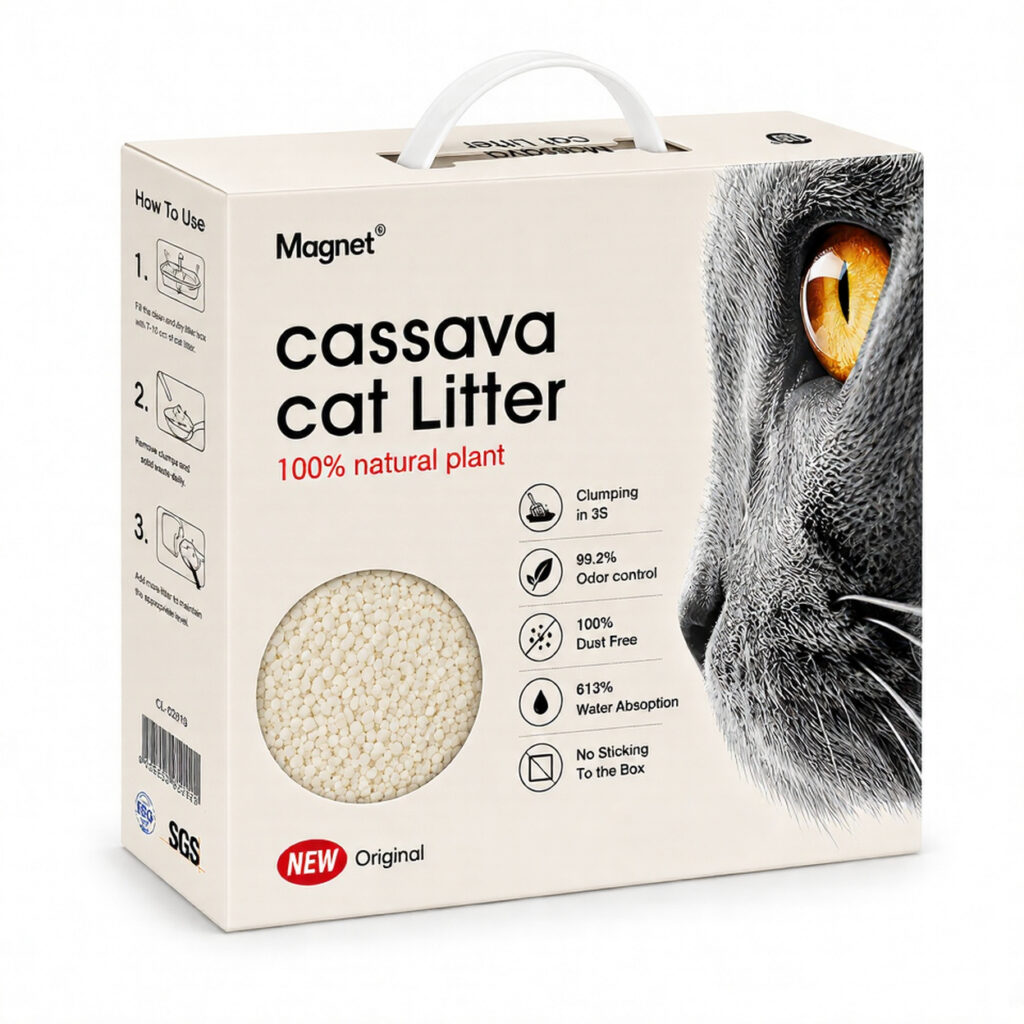

A zipper and a heat seal are not always competing options. Many resealable bags use a heat seal above the zipper to protect the original contents, then rely on the zipper once the customer opens the pack.
The buying decision is therefore more specific than zipper or seal. Does the customer need to reclose this bag, and can the proposed package do that conveniently without weakening the original protection or making the product uneconomical?
Start With How the Bag Will Be Used
A pack emptied into a tray at first opening has a different job from a large refill bag used over several weeks. Ask how much the customer typically pours, where the remainder is stored and whether a separate storage container is common in your channel.
For a private label tofu cat litter project, choose the closure around that routine. A zipper may add real convenience to a multi-use bag, but it should not be added simply because it looks premium on a design proof.
Have testers handle filled packs. An empty pouch is too easy to open, tilt and close to reveal many of the problems a customer will face.
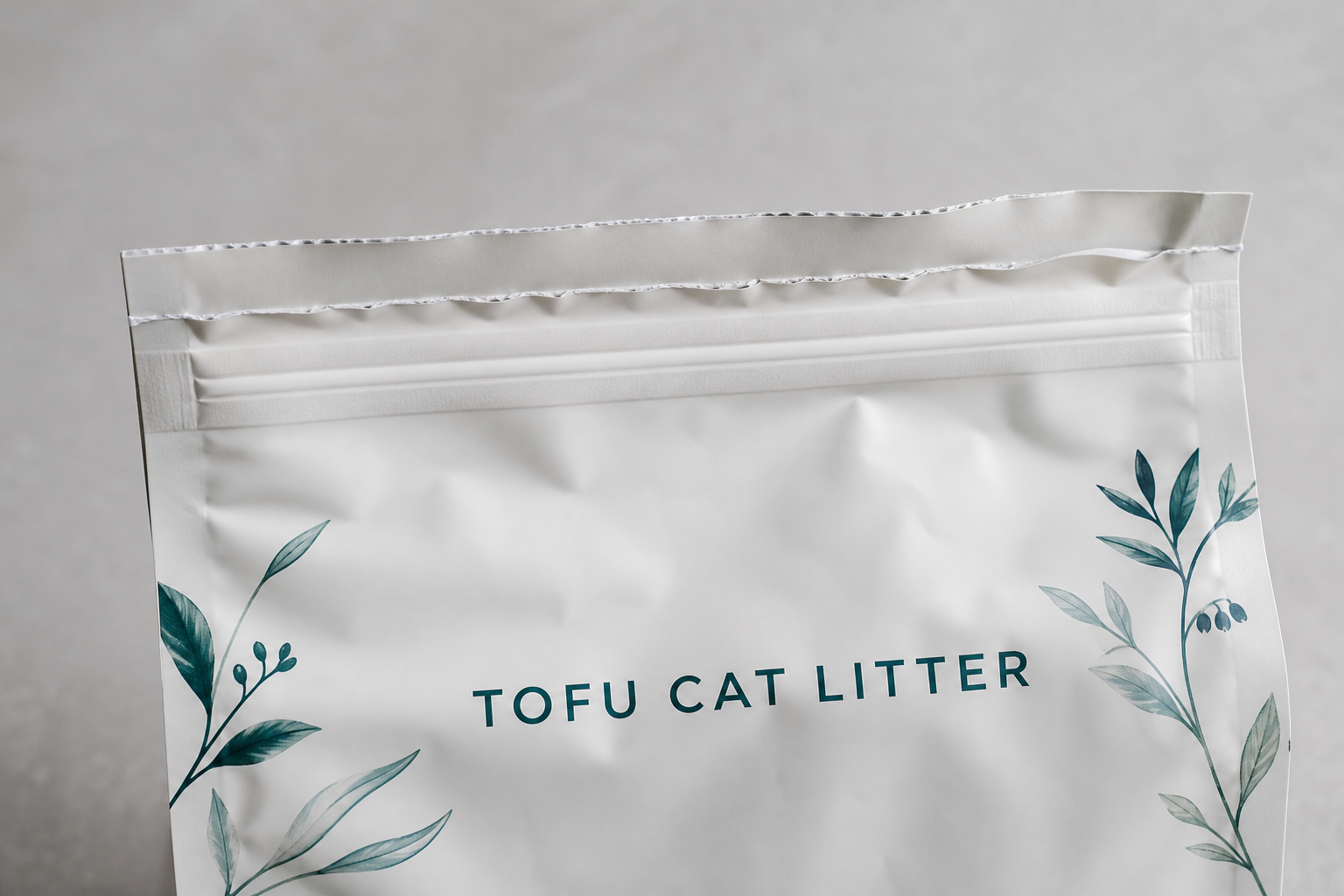
Test the First Opening
Check whether the tear feature works cleanly without damaging the zipper or leaving an awkward opening. Observe whether the user needs scissors despite the intended design and whether the bag stays controllable as it is opened.
The top opening should also make pouring manageable. A wide mouth can be convenient but may release more material than the user expects. A narrow opening can be difficult to control if the bag is heavy or collapses unpredictably.
These are usability observations, not reasons to prescribe a single bag shape for every formula. Compare the exact filled packs proposed for sale.
Evaluate Reclosure After Ordinary Use
Ask a tester to pour, close the bag, store it and repeat the process. Check whether the closure engages across its width and whether material near the opening interferes with it.
A zipper that requires several attempts may be left partly open in real use. Record that as a packaging issue rather than assuming customers will follow an ideal laboratory routine.
Do not call a package airtight or moisture-proof merely because it has a zipper. Such claims need evidence for the finished package and relevant conditions. The closure’s tactile click is not a barrier test.
Keep Original Seal Integrity Separate
Ask the packaging supplier and filling factory how the original seal is specified and checked. The seal must work with the material structure and production process, not simply look straight in a photograph.
For a formal seal-strength assessment, a qualified provider can advise on an appropriate method. ASTM identifies F88 as a test method for seal strength of flexible barrier materials in its primary barrier packaging standards overview.
Strength, leakage and ease of opening are different questions. Do not treat one result as proof that all three have been addressed.
Compare the Total Pack Cost
Request quotes for the same formula and net contents with each closure option. Include film, zipper, converting, filling implications and any change in carton dimensions or bag count.
Then consider customer value and returns. A slightly cheaper bag may be a poor saving if users routinely spill the product or cannot store the remainder. Conversely, an expensive closure may add little value to a small single-use pack.
The comparison should include a delivered sample, not only a price per empty bag. Handling can expose weaknesses that are invisible in the design room.
Approve the Exact Construction
Record the material revision, zipper specification, opening design and relevant acceptance checks. Agree which substitutions need fresh approval.
When ordering through a cat litter manufacturer, make sure the packaging converter’s specification reaches the filling line. The final choice should protect the product through distribution and make the customer’s next pour easier, not just make the first photograph look better.
Compare Cat Litter Closure Options
Send Magnet the intended bag size and customer use pattern to discuss filled packaging samples and closure choices.
Discuss Private Label Packaging