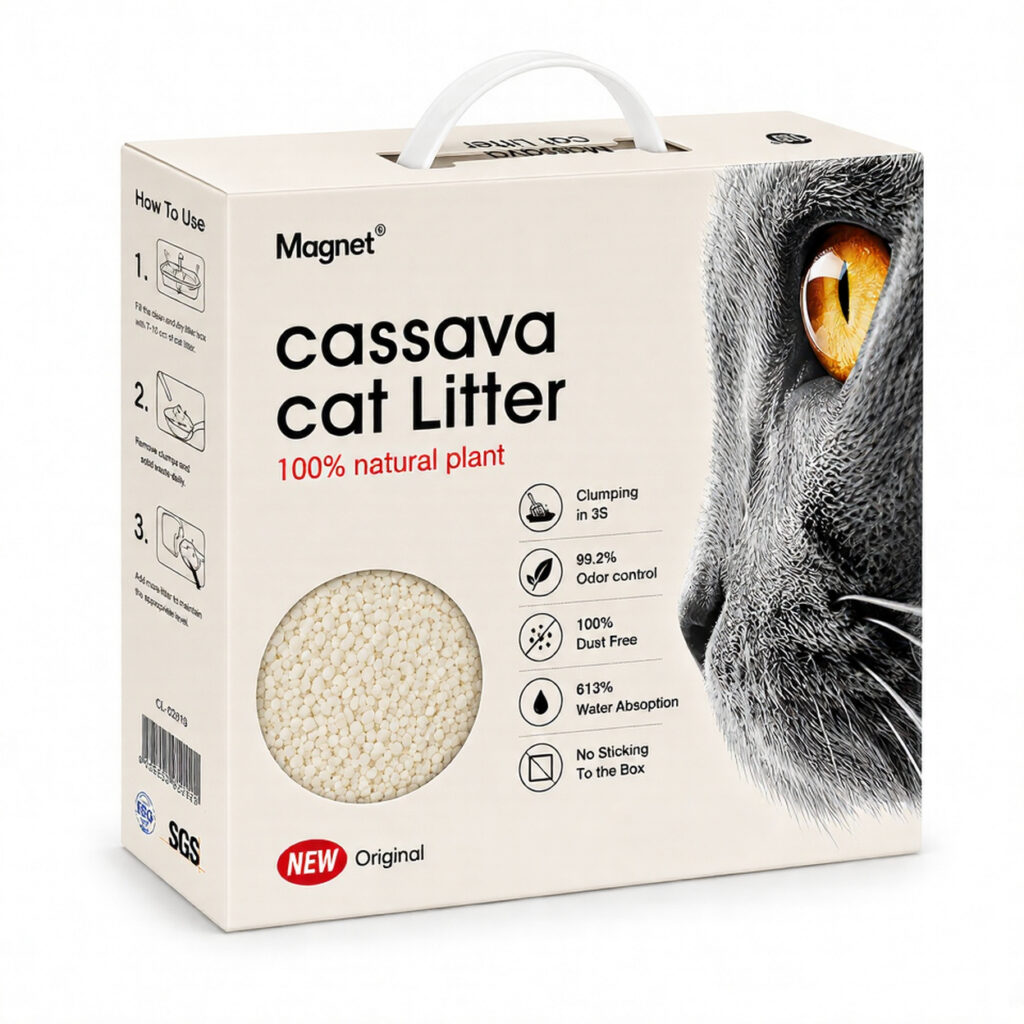
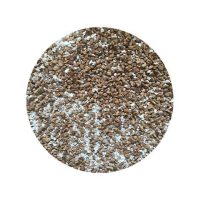
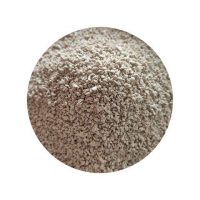
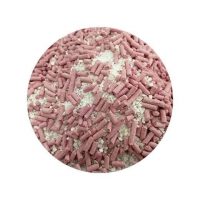
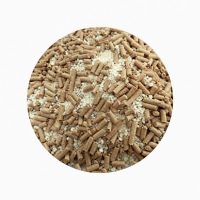

The cheaper bag is not always the cheaper product to live with. If a customer discards more unused litter during scooping or replaces the tray contents more often, a low shelf price can become poor value.
Cat litter cost per use is a useful way to compare that experience, but only if the method is clear. A claim that one bag lasts longer should not be built from different household conditions or the weight of wet clumps alone.
Decide Which Cost You Mean
For a wholesale buyer, landed cost per bag describes purchasing economics. For the customer, cost per day or per defined usage period describes the refill expense. They answer different questions.
Keep a retailer’s margin calculation separate from the household comparison. A product can have an attractive wholesale margin but disappoint customers on refill value, and that can show up later in weak repeat purchase.
When reviewing clumping cat litter, choose the customer-facing measure first, then build a test that can support it. Cost per day in a defined trial is often easier to explain than a vague cost per scoop.
Do Not Use Wet Clump Weight as Dry Consumption
A removed clump contains litter and retained liquid. Differences in liquid retention can therefore affect its weight without showing how much dry product was consumed.
For a controlled consumption comparison, agree on a suitable method to track dry litter additions and remaining usable material. Include what is discarded during complete changes, spills and routine cleanup within the defined scope. If a laboratory method is used, ask how it accounts for liquid and residual material.
A simpler household diary can track weighed dry refills over a defined period, but it must also record the starting and ending tray conditions. Otherwise, one household may finish with a nearly empty tray and appear artificially economical.
Hold the Important Conditions Steady
Use comparable tray dimensions and a defined fill approach. Record cleaning frequency, household cat numbers, full replacement events and unusual spills. Follow appropriate product and tray instructions rather than forcing a product into unsuitable conditions to make the numbers match.
In bench testing, keep liquid, dose, waiting periods and the scoop consistent. In household trials, expect variation and report it rather than presenting a single neat result as universal.
Assess cleaning quality alongside consumption. Using less litter is not a benefit if unacceptable wet residue remains or the customer finds the routine impractical.
Work Through the Economics
Suppose a hypothetical product sells at $12 for 2.5 kg and measured dry consumption under a defined comparison is 90 g per day. Its product cost is $4.80 per kg, producing an estimated $0.432 per day for that measured use.
A second hypothetical product sells at $10 for 2.5 kg but uses 120 g per day under the same method. At $4.00 per kg, its estimated daily cost is $0.48.
The first product has the higher bag price but the lower illustrated consumption cost. These are invented values, not results for Magnet or a competitor. The calculation excludes any costs not included in the stated test scope and does not establish how long either product lasts in all homes.
Look at Why Material Is Being Lost
Separate necessary removal from avoidable waste where your method permits. Clean litter trapped in the scoop, fragments left after a clump breaks and material wrongly discarded by an automatic box may point to different issues.
For tofu and cassava mixed cat litter, compare the actual candidate with the customer’s current product. Do not assume that a mixture is more efficient simply because it combines ingredients associated with clumping.
Sometimes the solution is a better-matched scoop or clearer instructions. Sometimes it is a different formula. The test should help distinguish those possibilities.
Use the Results Honestly on the Shelf
Keep the method, sample size, conditions and range of results with any proposed comparison claim. Avoid turning a small internal screening exercise into an all-household lasts twice as long promise.
For a purchasing decision, the results can still be valuable without becoming front-of-pack copy. They help explain whether a higher-priced formula has a reasonable customer-value case and which questions need a broader trial.
A useful cost-in-use comparison makes the price conversation more concrete. It does not replace product quality; it measures what an acceptable cleaning experience costs under clearly stated conditions.
Compare Litter Performance and Value
Send Magnet your current benchmark and planned selling unit to discuss samples for a controlled cost-in-use comparison.
Discuss Wholesale Litter Options