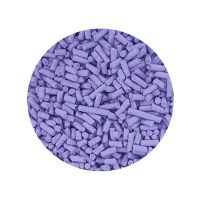
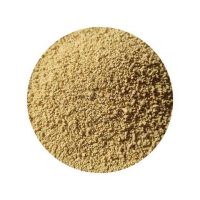
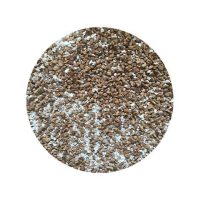
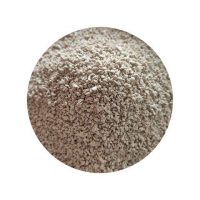
A sample has almost no noticeable smell, so the buyer approves it as fragrance free. Later, the ingredient paperwork raises a question about an added scent or masking component. The problem was not necessarily detectable by opening the bag: the buyer had used a sensory impression to answer a formulation question.
For private label purchasing, unscented and fragrance free should not be treated as interchangeable shortcuts. Agree what is excluded, ask how the supplier uses the terms and make sure the final product description matches the evidence.
Use the Words as Questions, Not Assumptions
Terminology can vary between suppliers and markets. A useful starting point is to distinguish a product designed without an obvious added scent from a formulation that excludes fragrance materials, including masking scents.
The EPA’s Safer Choice fragrance-free criteria illustrate this distinction: the document explains that unscented products may use odor-neutralizing or masking components, while its fragrance-free designation excludes fragrance materials and masking scents. This is a description of that program, not a universal cat litter labeling rule or a claim that a particular litter is EPA certified.
For your order, specify the intended requirement and obtain destination-market review of the wording where necessary. Do not assume a supplier’s catalogue term settles the question.
A Fragrance-Free Product Can Still Have an Odor
The absence of added fragrance does not mean every raw material or package is odorless. That matters when a buyer compares a plant-based litter with a product whose underlying smell has been masked.
Separate the composition requirement from the acceptable opening odor. Ask what is intentionally added, then assess whether the finished product is suitable for your retail brief. Do not reject or approve the ingredient claim solely on whether a person can smell something.
If an unexpected odor appears, check the sample’s batch, age and packaging history with the supplier. A product concern should be investigated rather than disguised by adding fragrance while keeping the original description.
Ask About Masking Ingredients Explicitly
An enquiry that says no lavender or no perfume may leave too much room for interpretation. State whether you want to exclude all intentionally added fragrance materials and masking scents, and ask the supplier to explain any ingredient with a relevant function.
Do not assume that every odor-control ingredient is a fragrance. Nor should a vague deodorizing additive description be accepted without enough information to review its purpose and suitability. The distinction needs composition information, not a guess based on the ingredient’s marketing name.
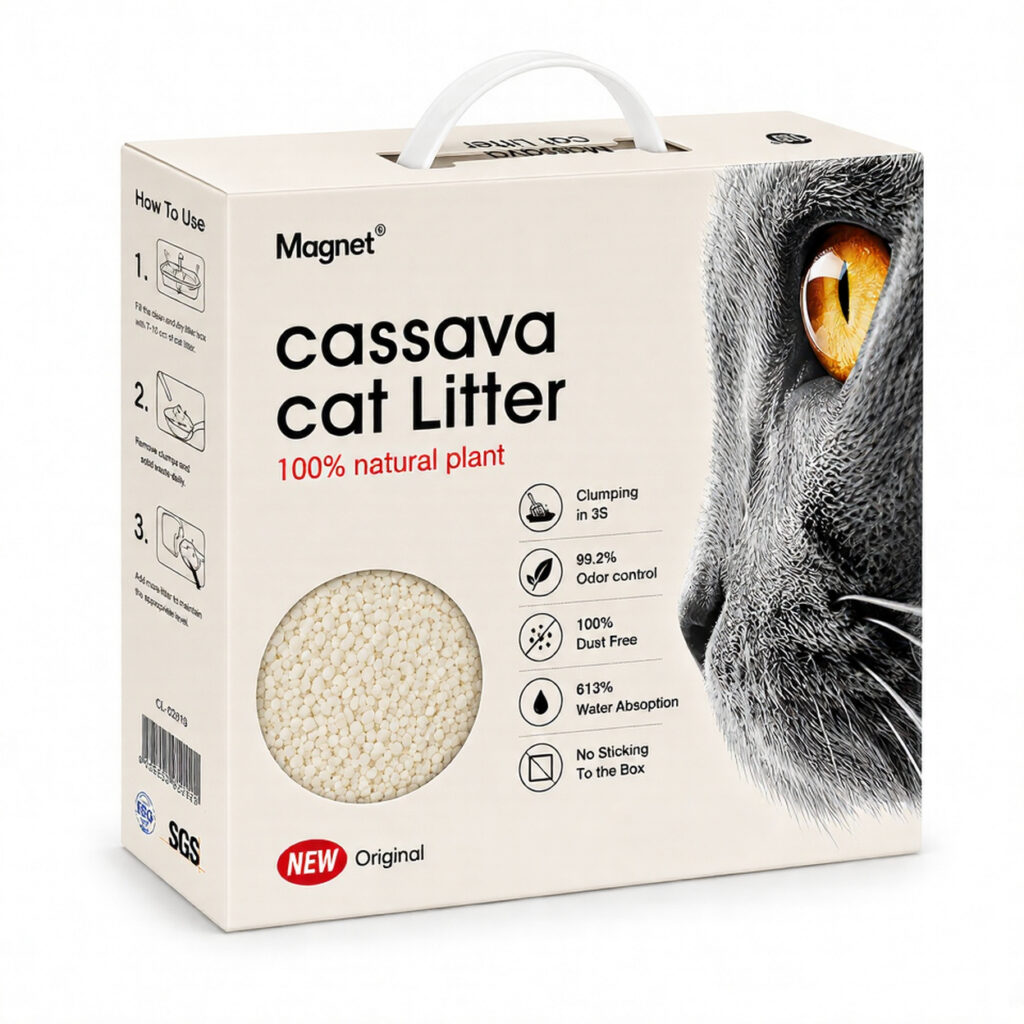
When considering unscented tofu cat litter, request the specification for the exact variant. If the catalogue description and ingredient list disagree, resolve that discrepancy before approving a claim. A general statement about the product family is not a substitute for a SKU-specific answer.
Keep Odor Control Separate From Fragrance
Fragrance describes one aspect of the formulation. Odor control during use is a different product question. A bag can have no added perfume without establishing how it performs in a household, just as a strong opening scent is not proof of effective odor control.
Ask what evidence supports any proposed performance wording. Do not turn the absence of fragrance into claims such as eliminates odor, prevents health problems or works for every sensitive cat. This article presents purchasing guidance, not comparative test results or medical advice.
The product can be positioned accurately around a confirmed ingredient preference. It does not need an unsupported superiority claim to have a useful place on the shelf.
Confirm What Stays Consistent in Production
Link the fragrance requirement to the approved formula revision and purchase specification. Ask how ingredient changes and relevant production changes are communicated before they affect your order.
If stronger absence claims are planned, discuss the appropriate supporting controls and evidence with qualified advisers. A statement about no intentional addition is not automatically proof of zero detectable traces under every possible method.
Keep that distinction out of vague sales promises. The supplier and brand should understand which statement is being made and what they can substantiate.
Review the Pack and Listing Together
Use consistent wording across the bag, product page and wholesale documents. Avoid a situation in which the front panel says fragrance free, the online listing says scented and the order specification merely says original.
Review whether different variants need separate product records. An original formula and a charcoal-containing option may require different descriptions even if both are marketed without a prominent fragrance.
For a broader private label tofu cat litter range, clear variant names help stores answer customer questions without inventing differences. That clarity is especially useful when several bags share the same overall design.
Send a Precise Enquiry
A practical request identifies the formula being considered, the ingredients or functions you wish to exclude, the intended claim and the destination market. Ask for written confirmation and a matching production-format sample.
That leaves the supplier room to explain what is available while giving your team a clear basis for approval. The objective is not a bag that seems scentless for a few seconds. It is a product whose composition and description remain consistent from the first sample to the next order.
Clarify Your Fragrance Requirements
Tell Magnet the fragrance and masking-ingredient restrictions for your project. Request written confirmation for the exact formula before approving packaging.
Discuss Unscented Tofu Litter