
With two or three cats, a litter that looks fine after one use can become frustrating by the evening. A fresh clump gets disturbed by the next cat. Small wet pieces slip through the scoop. One cat accepts the new texture, while another keeps returning to the old tray.
Choosing clumping cat litter for multiple cats means looking beyond how quickly a clump appears. The useful question is whether the litter stays easy to clean through repeated use, while remaining acceptable to every cat that needs it.
Start with clumps that lift out cleanly, manageable dust, an acceptable scent and a texture your cats will use. Then compare how much litter is discarded during ordinary cleaning. Those details are more useful than the word multi-cat on the front of a bag.
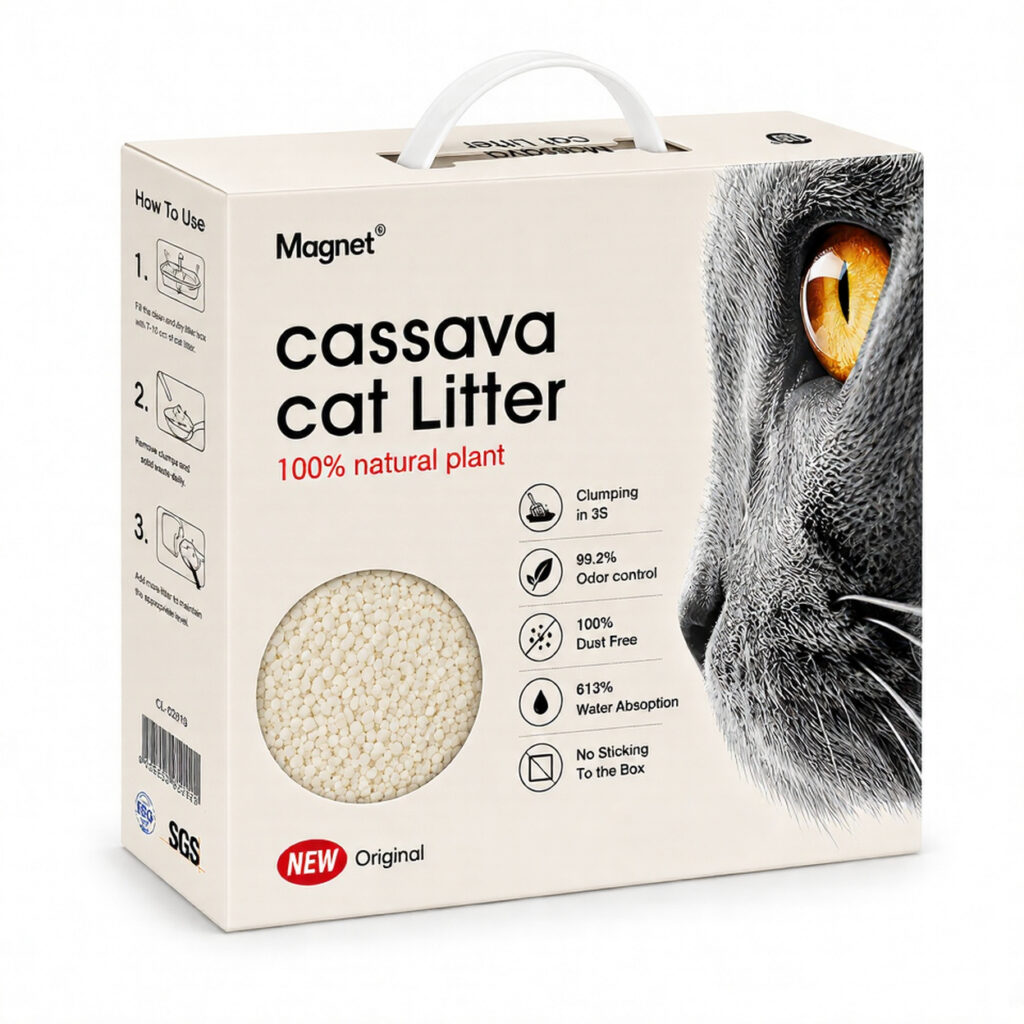
This guide looks at three options in Magnet’s range: fine granule cassava, crushed tofu, and tofu with cassava. Product descriptions establish what each formula is intended to offer; they are not a head-to-head household test or a promise that one material will suit every home.
Give Each Cat a Usable Place to Go
Before replacing the litter, check the setup. AAHA’s feline care guidance uses one box per cat plus an extra as a general rule, with boxes in separate, accessible, quiet locations. It also recommends daily scooping. For two cats, three boxes are a sensible starting point, not three trays squeezed into one difficult-to-access corner.
A stronger clump cannot solve a blocked doorway or a tray another cat guards. Nor does a multi-cat formula make missed cleaning irrelevant. Check busy boxes more often and remove waste as needed rather than relying on an odor claim to decide when to scoop.
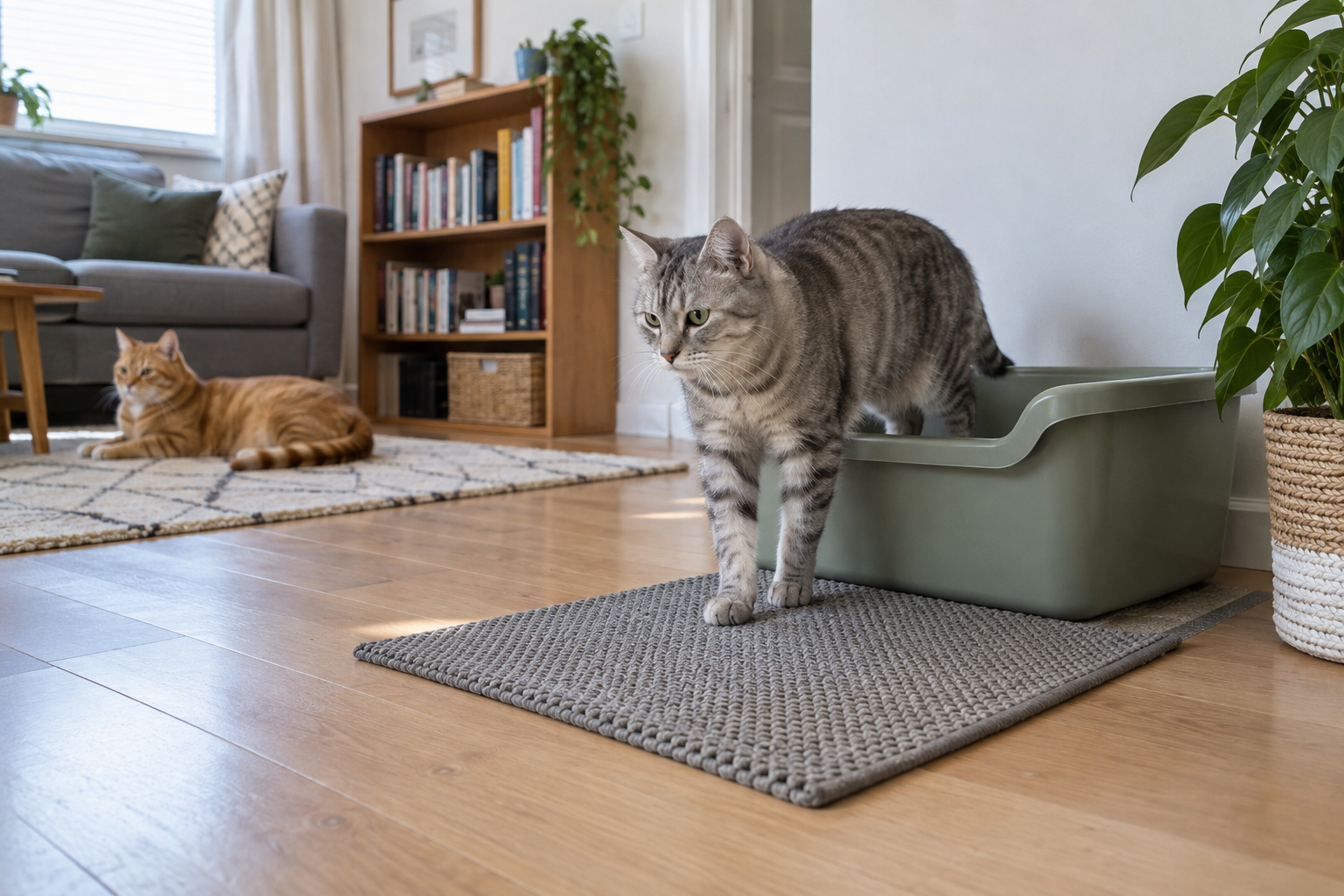
Look for a Clean Lift, Not Just a Fast Start
Clumping speed and clump strength describe different parts of the job. Speed concerns how quickly the wet area begins to come together. Strength concerns whether the formed clump stays intact when lifted. A fast-looking surface does not tell you everything about the material underneath it.
In a busy tray, the practical signs are easy to recognize. Does the scoop remove the wet area in one manageable piece? Do small damp fragments fall back through the slots? Does the clump release from the bottom, or does cleaning turn into scraping?
Use the product’s instructions for litter depth and setting time. Scooping too early can make a comparison unfair, while an uneven or depleted layer can change where liquid reaches the tray. If you change the formula, the fill level and the scoop together, you will have difficulty identifying what helped.
Also watch how much apparently clean litter comes out with each clump. A large, solid lump is not automatically the most economical result. For a multi-cat household, repeated unnecessary removal can matter as much as the price printed on the bag.
Separate Odor Control From Perfume
An appealing fragrance when a bag is opened does not show how the tray will smell after repeated use. Evaluate scent preference and used-litter odor as separate questions.
First, notice whether the cats willingly use the litter. Then assess the tray under the cleaning routine you can actually maintain. Keep the number of cats, cleaning times and other conditions reasonably consistent when comparing options. Otherwise, a cleaner tray may get the credit for what appears to be a better formula.
Odor alone is not a reliable signal that litter is clean. Look for wet residue and small soiled fragments after scooping, even when the room does not smell strong. Likewise, no litter should be expected to make uncovered feces disappear as a cleaning concern.
For retailers, this distinction improves the conversation. Ask whether a customer dislikes the product’s added scent, the smell after use, or both. Recommending a stronger perfume does not answer all three situations.
Match Dust and Tracking to the Actual Complaint
Dust and tracking are often grouped together, but owners notice them in different places. Dust is the fine material released during activities such as pouring or digging. Tracking is litter carried or scattered outside the tray. A product may improve one problem without solving the other.
If the complaint is a cloud during refilling, look at dust information and the condition of the delivered product. If it is granules on the floor, consider particle shape, the cat’s coat and the exit arrangement. Do not assume that a finer texture must be either cleaner or messier in every home.
The scoop matters too. Its openings should let the unused litter pass through without losing the clumps you are trying to remove. A scoop that worked with long pellets may feel different with a finer product. This is a small detail, but it can affect how much litter an owner throws away each day.
Compare Three Magnet Product Options
These are three different starting points for selection, not first, second and third places in a performance ranking. The best shortlist depends on the problem the household is trying to solve.
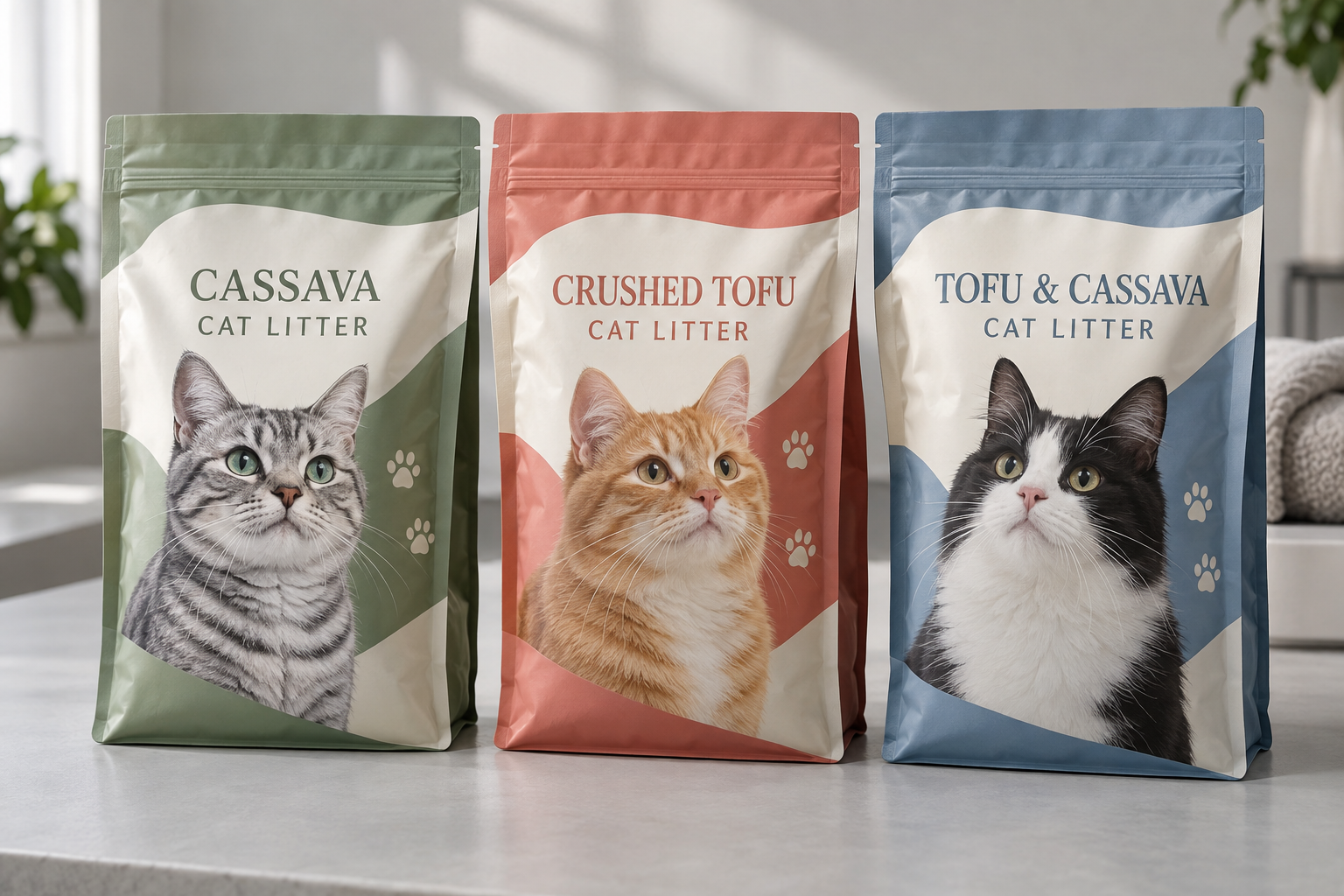
Fine Granule Cassava for a Fine-Textured Clumping Option
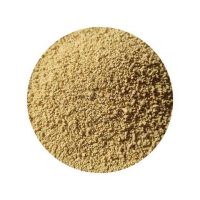
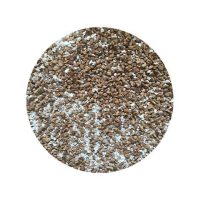
Magnet’s fine granule cassava cat litter lists a corn-starch and cassava-starch formula with a 0.5-3 mm particle range. The page positions it around firm clumping, easy release during cleaning and odor control without added fragrance.
It is a relevant option to investigate when a household wants a fine texture and cleaner removal of wet litter. The decision should still include tracking, the scoop used and the cats’ willingness to accept the new substrate. Fine particles are not a guarantee of universal acceptance.
For a retail listing, explain the material and format first. Specific clumping-time or odor-reduction figures need the supporting method and conditions; they should not become an unconditional promise about every customer’s tray.
Crushed Tofu for Customers Considering a Different Tofu Texture
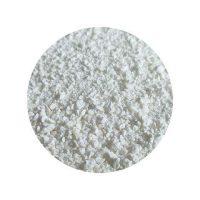
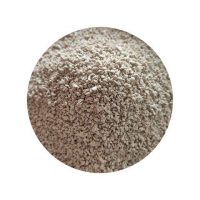
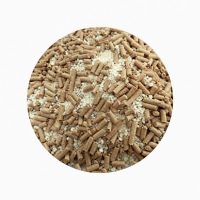
Magnet’s crushed tofu cat litter is a fine-granule format rather than traditional long tofu pellets. Its listed particle range is also 0.5-3 mm, and the product page emphasizes absorption, clumping and a sand-like feel.
This makes it worth considering when an owner is interested in tofu litter but uncertain about the pellet format. The important comparison is the actual handling experience, not the assumption that all tofu litters feel or scoop alike.
A matching nominal size range does not make crushed tofu and fine cassava identical. Shape, composition and the distribution of sizes still differ. Retail buyers should request the current formula sheet: the crushed-tofu specification includes ingredients beyond plant fiber, so the product name alone should not be used to infer a single-ingredient formula.
Tofu and Cassava for a Mixed-Formula Alternative
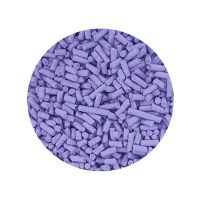
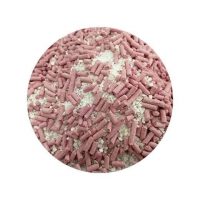
Magnet’s tofu and cassava mixed cat litter page describes a 1:1 blend intended to improve the cleaning performance of its tofu component. That gives retailers a distinct option for customers who already like tofu-style litter but want to explore a mixed formula.
Ask for specifications covering the finished blend. The page also contains a table labeled for the cassava component; its figures should not automatically be treated as measurements of the entire mixed product.
For home use, check whether the blend produces a convenient scoop-and-refill routine and whether the cats accept its combined texture. Do not assume that adding cassava makes any tofu mixture perform the same way, or recommend improvised ratios as equivalent to the supplied formula.
Let the Household Problem Decide the Shortlist
A useful recommendation starts with a specific observation. These examples are selection routes, not tested outcome claims:
- Clumps break during normal scooping. Check the recommended waiting time and the remaining litter depth first. If the problem persists, compare candidates for intact removal under the same routine rather than choosing by material name alone.
- The cat dislikes long pellets. Consider the fine-granule cassava or crushed-tofu formats, while keeping a familiar option available. A different texture is a choice to offer, not something to force.
- The owner likes tofu but wants another cleanup option. Include the tofu-and-cassava blend in the shortlist and assess the finished mix, not isolated ingredient claims.
- The owner complains mainly about mess outside the tray. Do not automatically recommend the smallest particle. Tracking deserves its own comparison, separate from how firmly the litter clumps.
- One cat rejects the new litter. The preferred choice for the other cats is not necessarily the right household-wide replacement. Different cats may need different options.
This is also a better way for a store to explain a three-product range. Each option answers a customer question; none needs to be advertised as the best at everything.
Compare Consumption Without Promising a Fixed Bag Life
A bag’s useful life depends on the household and its maintenance routine. Avoid judging value solely by bag weight, advertised absorption or the size of one clump.
Keep a simple note of the initial fill, subsequent top-ups, full changes and the amount discarded during cleaning. Compare equivalent periods and record changes in cat numbers or access to other trays. Separate the initial fill from recurring use so the first week does not look unusually expensive for the wrong reason.
For distributors, the same logic helps explain value without inventing a savings percentage. Convenient removal, fewer troublesome fragments and acceptable consumption are meaningful reasons to repurchase when customers actually experience them. A claim that one bag lasts a month should not be applied to a multi-cat household without relevant evidence and conditions.
Introduce a New Option Without Removing Every Familiar One
Keep the change manageable. Offer the candidate in a separate tray while retaining familiar litter, rather than replacing every box at once. AAHA notes that separate choices can help identify individual litter preferences. Observe which cat uses which option, not just whether somebody has used the new tray.
Avoid moving boxes, changing fragrances and changing substrate at the same time. If a cat suddenly stops using the tray, do not keep cycling through products and assume texture is the only possible cause. Seek veterinary advice for an unexplained change in toileting behavior.
What Retailers Should Put on the Product Page
The strongest multi-cat selling points are concrete and understandable: the particle format, the intended cleaning benefits, whether fragrance is added, and how the product should be used. Tie each statement to the actual SKU and its current specification.
Do not turn ingredient-level data into a finished-product guarantee. Do not describe all plant-based products as medically suitable for sensitive cats. And do not use a generated image of a perfect clump as proof of performance.
For the three formulas above, a sensible merchandising approach is to present a fine cassava option, a crushed-tofu option and a mixed-formula option, then help customers choose by texture and cleanup priorities. A wholesale cat litter supplier should be asked for samples and the supporting product information needed to make those distinctions accurately.
The Right Choice Is the One That Keeps Working
For multiple cats, good clumping litter should make repeated cleaning straightforward without making the tray less acceptable to any of its users. Start with the setup, identify the main complaint, and shortlist the format most relevant to that problem.
Then look beyond the first impressive clump. Clean removal, manageable residue, a suitable texture and consistent use by the cats are what make a product useful after the first bag. Those are also the benefits a retailer can explain without resorting to exaggerated claims.
Build a Multi-Cat Litter Shortlist With Magnet
Tell us which problem your customers want to solve, their current litter type and your preferred pack size. Request samples and current specifications for the relevant formulas before choosing your retail range.
Request Cat Litter Samples