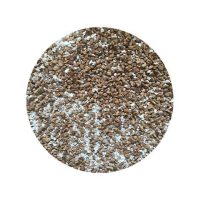
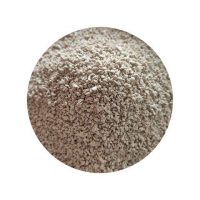
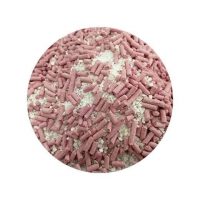
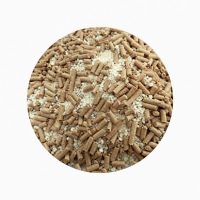

A customer wants the easy scooping associated with cassava litter, but is tired of finding loose particles around the house. Another likes a fine, sand-like texture and has no interest in changing to pellets. Both may ask for cassava cat litter, yet they are looking for different products.
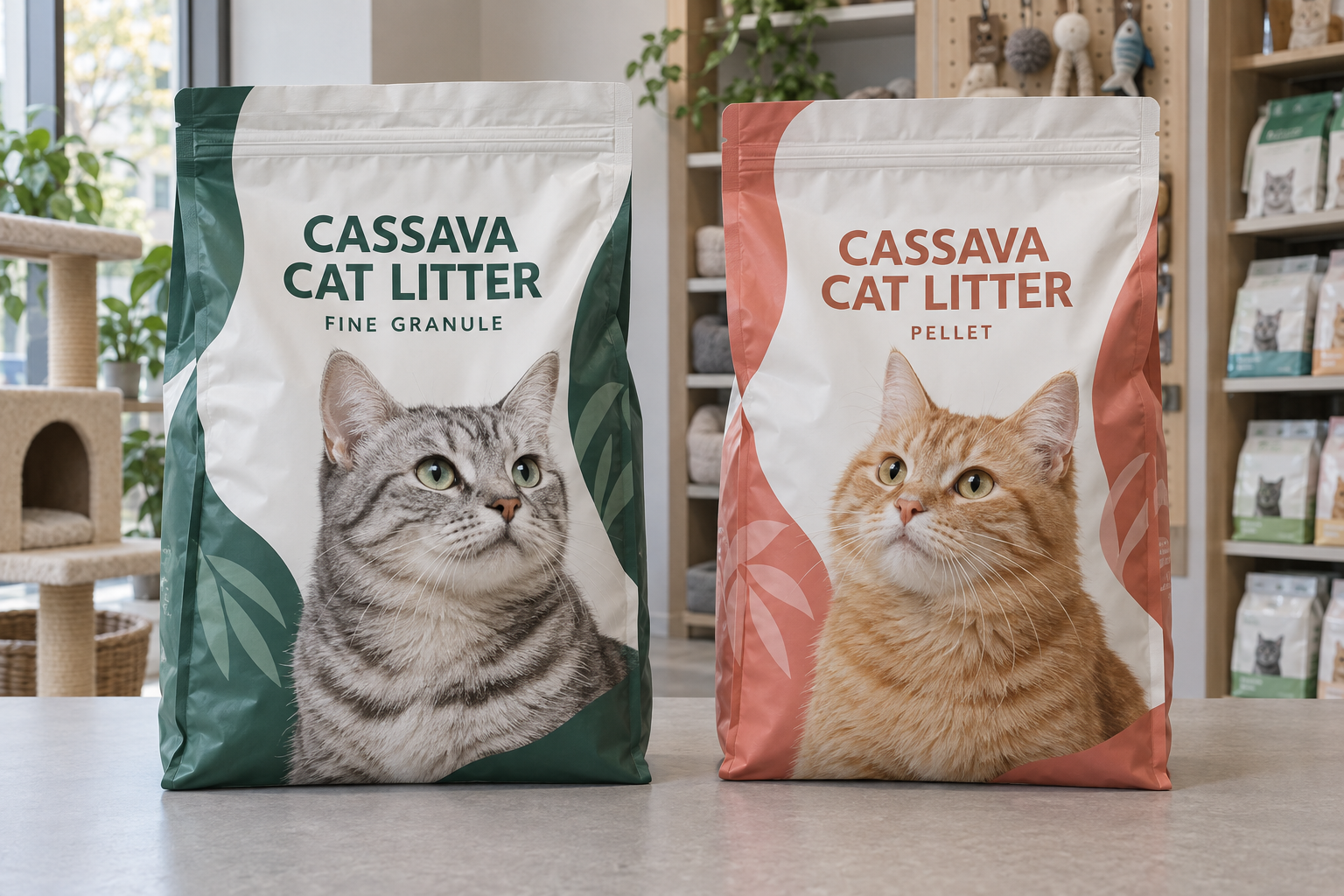
The choice between fine granule and pellet cassava cat litter is not simply a choice between small and large. In Magnet’s range, the two formats have different listed compositions as well as different shapes. Those differences deserve a clearer explanation than calling one an upgrade and the other a basic version.
Consider fine granules when a fine texture is the priority. Put the pellet version on the shortlist when reducing tracking is the main objective. In either case, confirm that the cat accepts the format and that it works with the household’s scoop and cleaning routine. This is a selection framework, not a claim that either product wins every comparison.
What Is Different in the Two Formulas
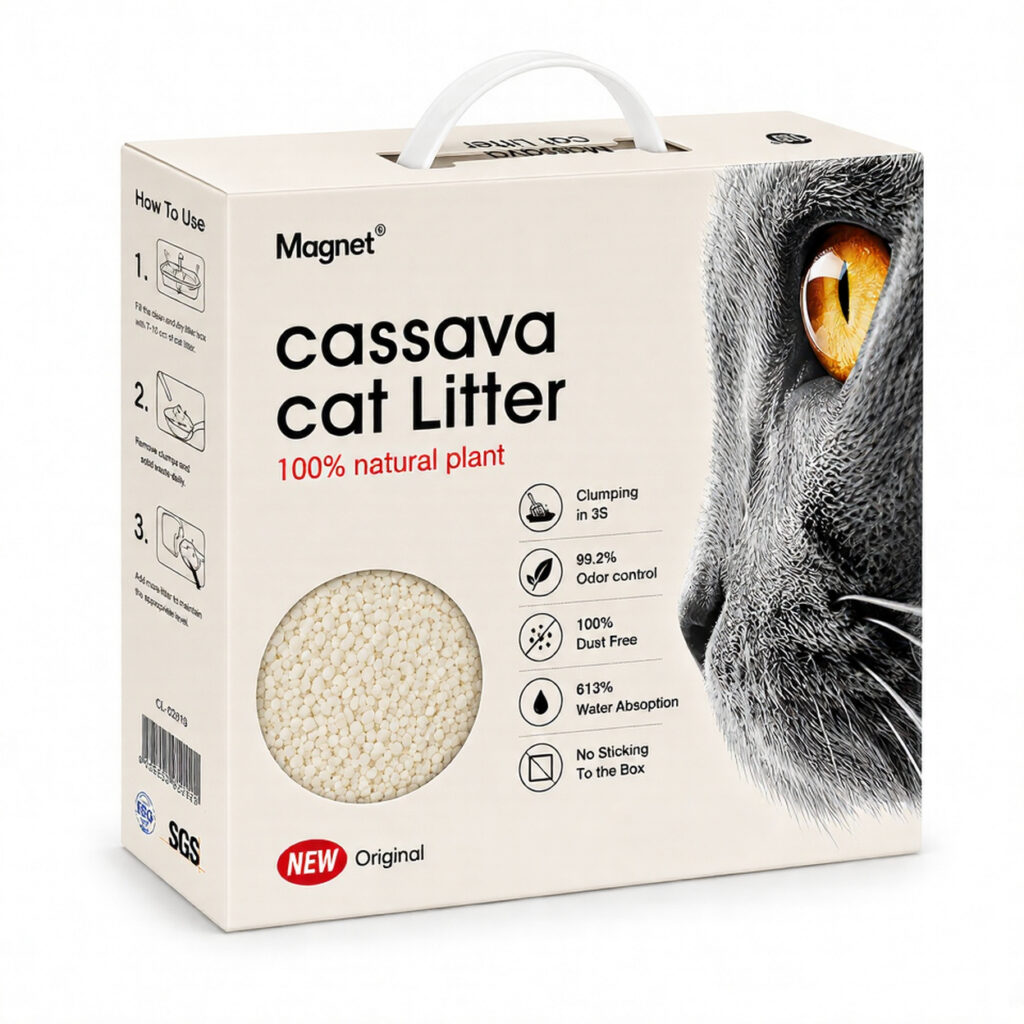
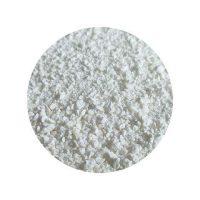
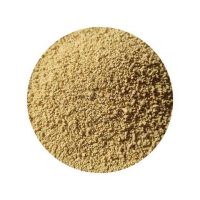
The published specification for Magnet’s fine granule cassava cat litter lists 60% corn starch and 40% cassava starch, with a granule size range of 0.5-3 mm. It is positioned as a fine-textured clumping product with easy cleanup and no added fragrance.
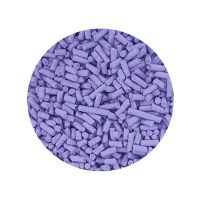
The published description of pellet cassava cat litter lists pea fiber, corn starch and cassava starch. Diameter options are 1.5 mm, 2 mm and 3 mm. Its particular selling point is a pellet format intended to reduce tracking while retaining clumping functionality. Request the current specification for the option you intend to order.
That means the pellet product should not be described as the fine product merely pressed into a different shape. Nor should either name be interpreted as a promise that the bag contains only cassava. For a retailer, accurate composition and format descriptions are the foundation of a useful comparison.
Why the Size Numbers Are Not Directly Comparable
A granule size range and a pellet diameter are different measurements. The first describes the sizing of the granular product; the second tells you how wide a pellet is, not how long it is. Two products carrying a similar millimeter figure can therefore handle quite differently.
Think about a scoop opening. A small irregular granule may pass through it in several orientations. An elongated piece may pass when aligned one way and stay on top when lying another way. The number printed on a specification sheet does not fully describe that interaction.
For pellet orders, ask about length as well as diameter, and inspect the amount of broken material in the delivered sample. For fine granules, look at the actual spread of particle sizes rather than expecting every grain to match one nominal size. These details help explain why the same scoop can feel efficient with one format and awkward with another.
Tracking Is a Household Problem, Not Just a Particle Size
Pellet cassava is the logical candidate to explore when a customer specifically wants a lower-tracking format. But a tidy floor in a promotional photograph is not evidence of how any litter will behave in that customer’s home.
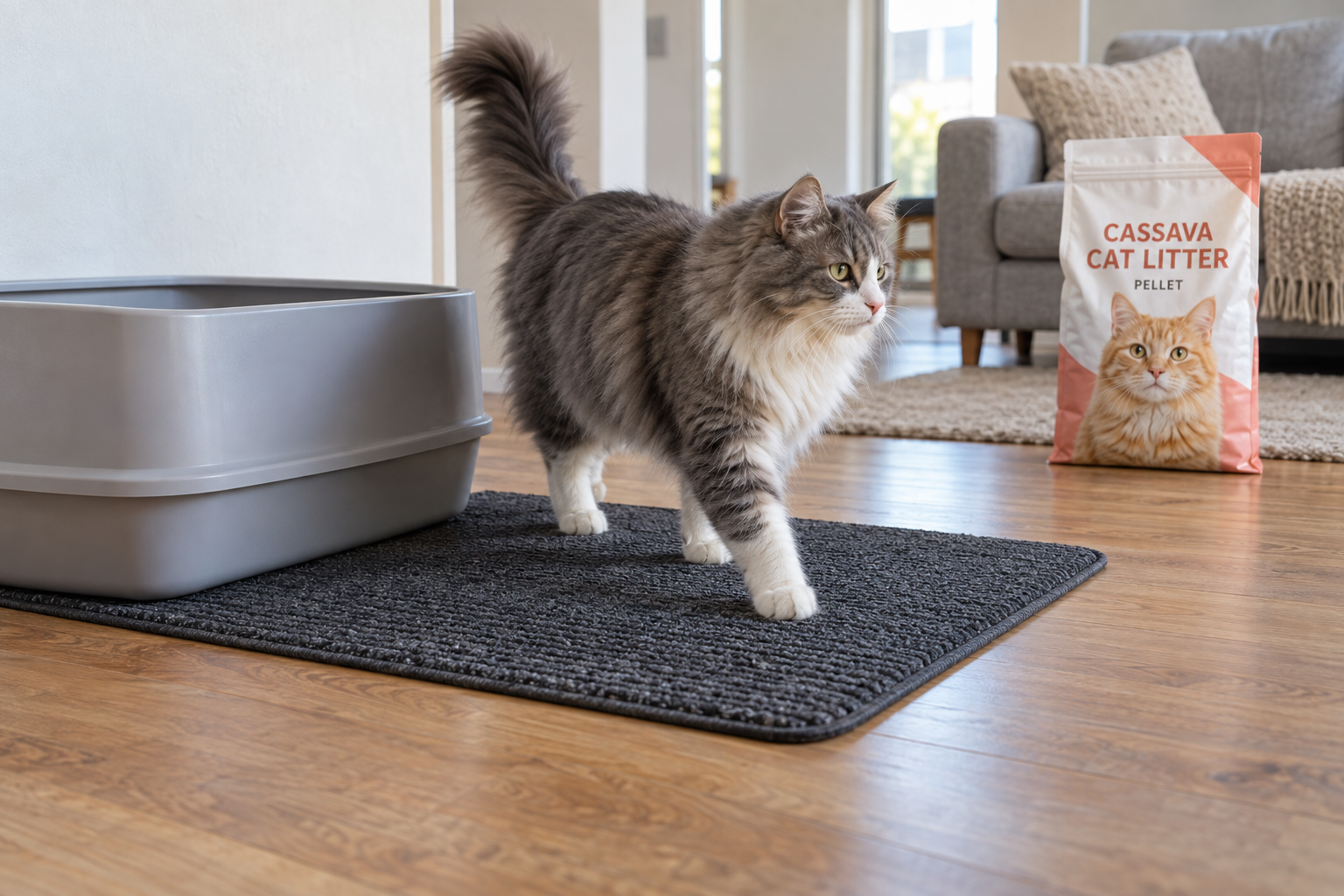
Start by finding out where the mess appears. Particles beside the tray may be kicked out during digging. Material farther along the exit route may be carried away on paws or fur. A mat, tray wall and cat’s exit behavior can change what the owner sees without any formula change.
This distinction matters particularly when a customer says a litter tracks badly but has not identified the source. A different format may help, while a poor tray arrangement can remain frustrating with either option. Ask about the cat’s coat and where the particles accumulate before making a recommendation.
When comparing samples, keep the mat and tray position unchanged and clean the same area at similar intervals. Otherwise, the comparison becomes a test of two different room setups rather than two litter formats. It need not become a laboratory project; consistent observations are simply more useful than impressions from unrelated days.
Fine Texture and Cat Acceptance
A fine-granule option gives customers a different underfoot experience from an elongated pellet format. That can be an important selection reason even before clumping or odor enters the discussion. It is not proof that every cat will prefer it.
Owners often describe what they want the litter to do, while their cats reveal whether they will use it. A product that is convenient to sweep up is not a successful replacement if a cat consistently avoids the tray. Equally, there is no need to abandon a pellet format that the cat already uses comfortably just because another product looks finer.
AAHA’s litter-box guidance recognizes individual litter preferences and suggests offering choices in separate boxes. Retain a familiar option when introducing a new format. Observe each cat in a multi-cat home, rather than assuming a used tray means every cat accepts its contents.
For retail staff, a useful opening question is what the cat uses now. The answer often narrows the choice more effectively than asking which material the owner has heard is best.
Compare the Clump You Remove
Both products are presented as clumping options. The meaningful comparison is therefore not whether either one forms a visible lump, but how that lump behaves during ordinary cleaning.
Look at the complete task: locating the wet area, sliding the scoop beneath it, lifting it and letting unused litter fall back. Does the clump remain intact? Are damp fragments left behind? Does it release cleanly from the tray? Does the scoop retain so much unused litter that cleaning becomes wasteful?
Keep the product’s instructed fill depth and setting time in mind. A depleted patch of litter or an unusually early scoop can make a good product look disappointing. For any timed comparison, use the same recorded conditions and distinguish first visible clump formation from a clump being ready to lift.
Without comparable testing, there is no sound basis for declaring that the smaller format must always clump faster or that pellets must always produce stronger clumps. Composition and the finished product matter alongside shape. Retail descriptions should explain the intended benefit, while any numerical superiority claim needs supporting evidence.
Do Not Confuse Low Tracking With Low Dust
A larger-looking piece is not, by itself, a dust specification. Fine granules are also not the same thing as airborne fines. The product’s condition when it arrives and the fragments present after handling deserve attention in both formats.
Ask a supplier how dust is defined and measured before comparing percentages from different reports. A result has meaning only with its method, sample and conditions. Numbers printed in separate product descriptions should not be turned into a precise head-to-head score without that context.
For the customer, keep the advice straightforward. If the concern is visible dust during pouring, assess that problem directly. If the concern is particles carried into the hallway, assess tracking. Changing formats to address one issue does not automatically resolve the other.
Odor and Consumption Need Their Own Comparison
Choosing a particle format does not settle the odor question. Keep cleaning frequency and the number of cats reasonably consistent when evaluating how the used tray smells. Do not compare a freshly filled tray with one that is overdue for cleaning and credit the difference to the formula.
Consumption is similarly practical. Record how much is used for the initial fill, how much is added later, and what is discarded during full changes. Keep those categories separate. Otherwise, a large initial fill can make the first week appear unusually costly.
For buyers comparing retail pack sizes, a kilogram and a liter are not interchangeable measures. Use the supplier’s finished-product data and the selected pack format rather than transferring density information from one formula to the other. A lower price per kilogram is useful information, but it does not alone establish the lower cost of maintaining a tray.
Which Format Belongs in Your Product Range
For a retailer, stocking both formats can make sense if each has a clear role. The distinction should be easy for staff to explain and relevant to a recurring customer question.
- Fine-granule route. Start here for customers actively looking for a fine texture, then check acceptance, scoop compatibility and cleanup. Position the product around its format rather than promising that it suits every cat.
- Pellet route. Start here when the customer is specifically exploring a pellet-style option to address tracking. Confirm which diameter is being offered and do not imply that the entire size range has identical handling characteristics.
- Keep the existing format. If the cat uses it reliably and the owner is satisfied, novelty alone is not a reason to switch. Ask what measurable or observable problem the replacement would solve.
Customers using an automatic box need an additional check against that machine’s current instructions. Do not label either whole product category universally compatible. The selected particle dimensions and the machine’s requirements must be considered together.
Give the Two Products Different Jobs, Not Different Hype
Fine granule and pellet cassava litter can sit beside each other without one being advertised as the inferior choice. One gives customers a fine-texture route into the category; the other offers a pellet-format alternative with a tracking-focused proposition.
For a cassava cat litter wholesale range, define the intended customer, chosen size specification and evidence behind each benefit before finalizing packaging copy. Request representative samples and current finished-product information for both formats.
The useful comparison ends with a reason to choose: the texture the cat accepts, the cleanup the owner can manage and the problem the product is meant to address. That is a stronger basis for repeat sales than declaring a winner from particle size alone.
Compare Both Cassava Litter Formats With Magnet
Tell us your customers’ current litter, their main cleanup concern and your preferred packaging. Request fine-granule and pellet samples with current formula and size specifications.
Request Cassava Litter Samples