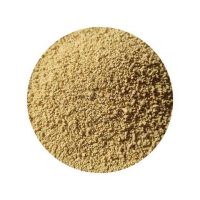

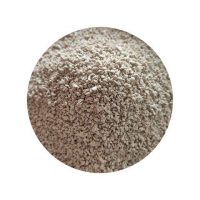
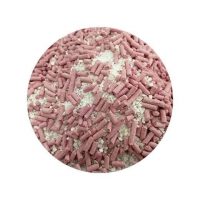


The reorder looks the same on the invoice, but customers say it feels different. Sometimes the explanation is a new ingredient source, a revised particle size or a packaging change that nobody treated as important enough to mention.
Private label cat litter formula changes need a clear review process because the brand, not just the factory, has made promises to the customer. The objective is not to prevent every improvement. It is to make sure a change is understood before it reaches a bag carrying your name.
Define What Counts as a Change
Do not limit the agreement to ingredient percentages. Include raw-material specifications, binding system, fragrance, particle distribution, relevant production steps and the finished pack.
Different changes create different risks. A new printing color may require artwork approval without a full formula study. A revised binder or particle size may affect the performance that justified the product’s claim.
Ask the cat litter manufacturer to explain its change categories and propose a notification process. The buyer and supplier should agree which changes require consent before production and which require documented notice.
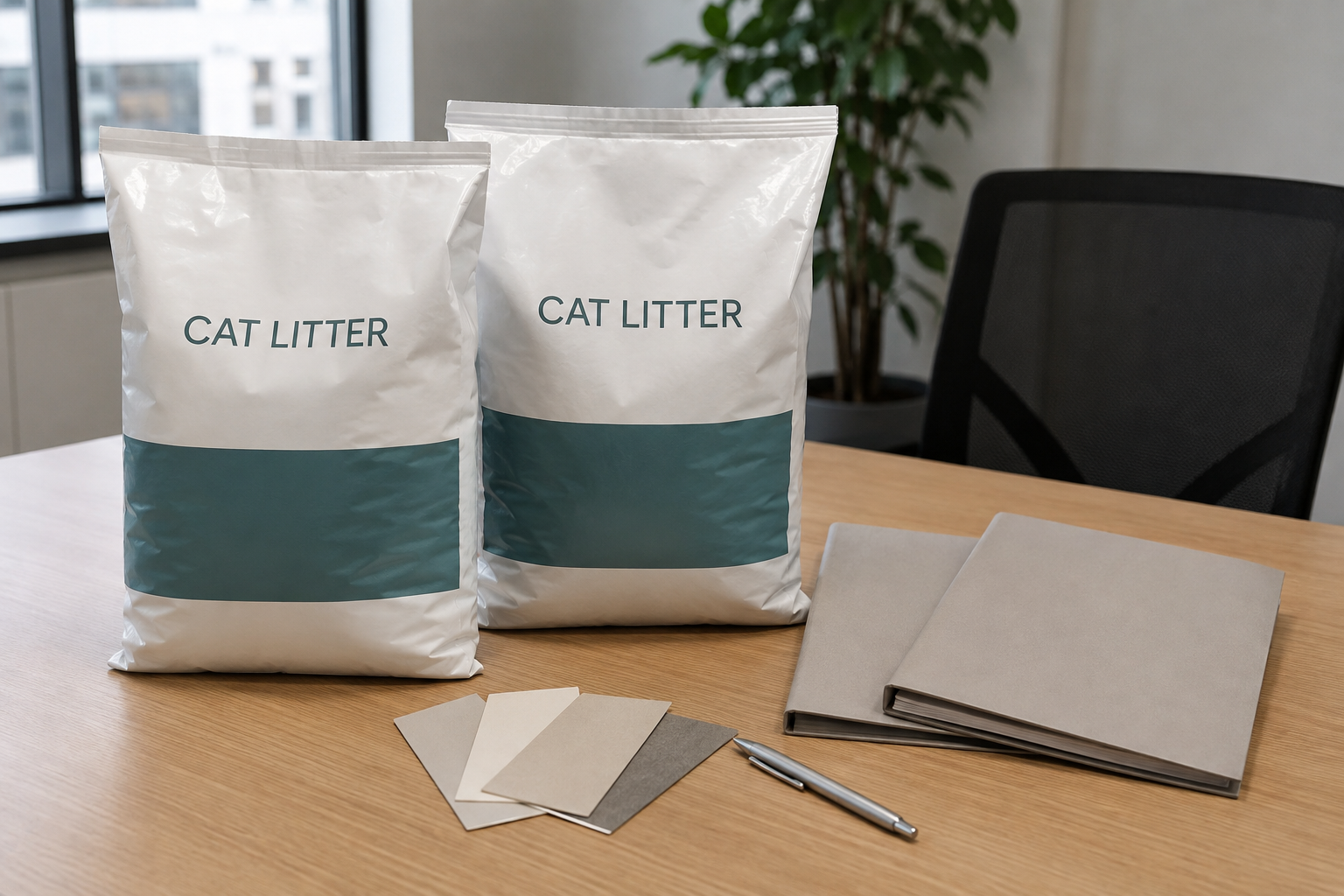
Require a Short Written Change Brief
A useful notice identifies the current and proposed specification, the reason for the change, the affected products and the intended first batch. It should also explain what evidence is available and what remains to be evaluated.
Avoid approving a substitution through an ambiguous message such as same quality, new material. Ask what is actually different and whether the change affects composition disclosures, customer instructions or a key claim.
Set a response process that leaves time for testing. An urgent request the day before shipment is not a meaningful opportunity to review a product sold under your brand.
Match Retesting to the Change
Use the original product requirements to decide what needs reassessment. A change to particle size may call for scoop and device-specific checks. A fragrance change may require ingredient and labeling review as well as customer evaluation. A different bag construction may require storage or transport reassessment.
For packaging, ISTA’s guidance on retesting notes that changed components, materials and closure methods can be relevant. Ask your testing provider to define the scope for the actual packaged product.
Do not rerun an unrelated easy test merely to create an approval document. The evidence should address what the change could alter.
Compare With the Approved Revision
Use the previous specification and its starting data as the reference. Retained samples can help, but account for age and storage differences when comparing them with fresh production.
For a tofu and cassava mixed litter, for example, a revision may involve more than the blend ratio. Particle distribution, delivered breakage and the behavior of the filled product may all matter to the original use case.
Record failures as well as improvements. A change that improves one bench result but creates an unacceptable pouring or cleanup issue may not be suitable for the existing SKU.
Review the Customer-Facing Information
Check the product name, composition statement, claims, instructions, website copy and images. Decide whether customers need to be told that the product has changed and whether old and new stock can coexist without confusion.
Also review identifiers under the GS1 GTIN Management Standard. Whether a new GTIN is needed depends on the applicable change rule; do not assume that every minor factory adjustment creates a new product or that none does.
If a change affects a device-compatibility claim, do not keep the original claim in place simply because the retail bag design has not changed.
Close the Approval With a Batch Boundary
Document the approved revision, decision date, approver and first affected batch. Make sure purchasing, quality, customer service and fulfillment can distinguish old from new stock.
If the proposal is not approved, confirm that the current specification remains in force or agree a separate supply plan. Silence should not be treated as permission to substitute.
A good change process protects both sides. The factory has a clear route to propose improvements, and the brand can keep its product promise consistent from the first order to the next.
Set Reorder Change Requirements
Share your approved specification and critical claims with Magnet to discuss how proposed changes should be reviewed.
Discuss Private Label Supply