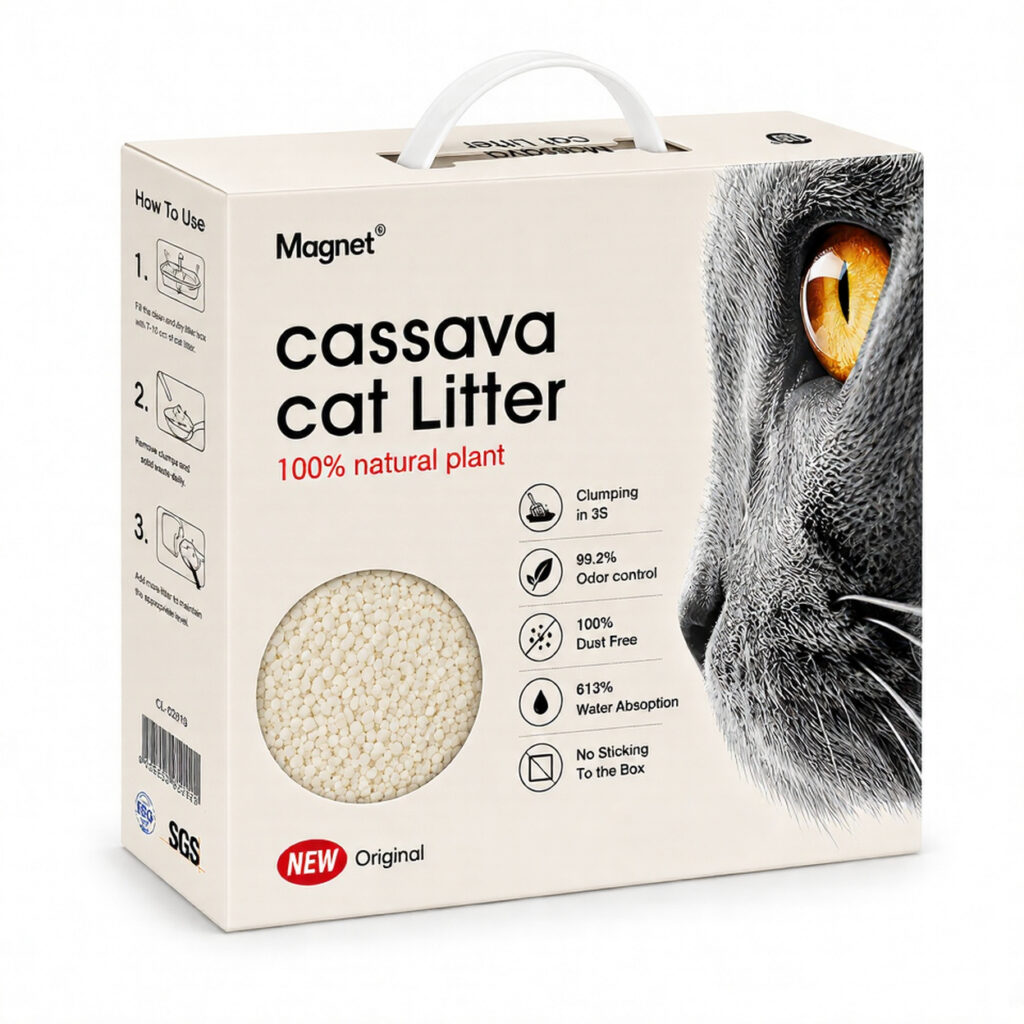
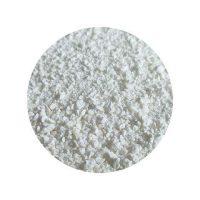
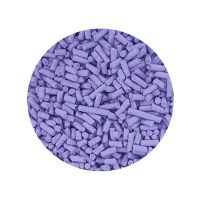
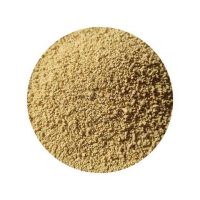
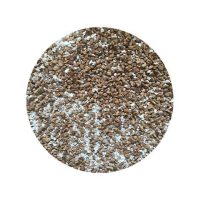
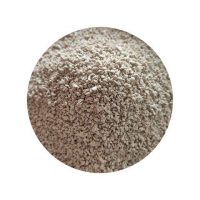
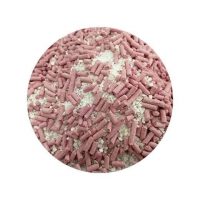
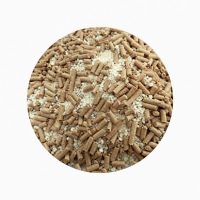

“Custom formula” gets used as a catch-all, but a factory is actually adjusting four separate variables when it customizes cat litter: clumping strength, granule size, scent, and color. Each carries a different cost, a different timeline, and a different effect on how the product performs in an actual litter box. Confusing them is how first-time OEM buyers end up paying for customization that didn’t need doing.
This explains what each variable controls and which ones are worth customizing on a first order. It’s a companion to our walkthrough of the cat litter OEM process.
Cat Litter Clumping Strength: What Actually Controls It
Clumping strength — how quickly a wet area forms a solid, scoopable mass — is governed mainly by two things: the ratio of clumping agent to base material, and how finely the raw material is processed before granulating. Raising the clumping-agent ratio generally produces a firmer, faster-setting clump, but pushing it too far affects both dust level and unit cost, since clumping agents aren’t free.
This is one of the more flexible variables to adjust without changing base material entirely. A factory can usually tune clump firmness up or down on an existing cassava or tofu formula through the mixing ratio alone. If you’re still choosing between clumping mechanisms at a more basic level, our overview of clumping versus non-clumping cat litter covers that distinction.
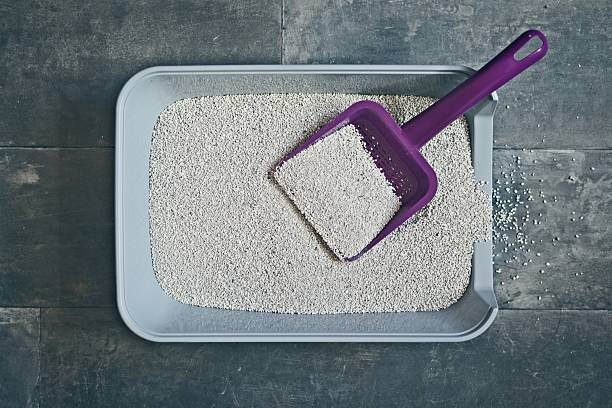
Practical tip: Test clump firmness at two points — immediately and again 24 hours later. Some formulas clump well on contact but soften in a warm room, a failure mode invisible in a same-day test that shows up reliably in customer reviews.
Cat Litter Granule Size: Fine, Medium and Coarse Compared
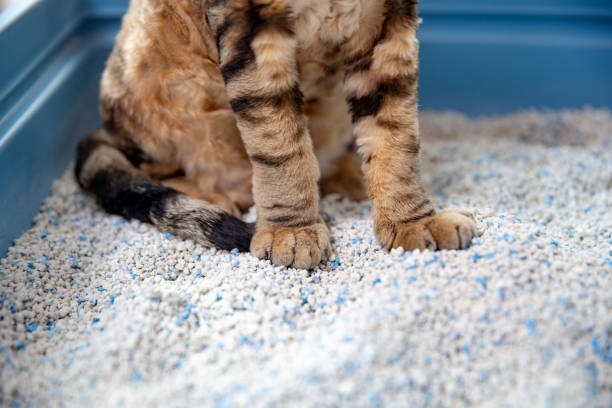
Granule size affects three things a customer notices in the first week: tracking (litter carried out of the box on paws), dust when pouring, and how the surface feels to the cat. There’s a genuine tradeoff here rather than a correct answer:
| Granule Size | Tracking | Clump Density | Typical Application |
|---|---|---|---|
| Fine | Higher | Denser, firmer | Premium clumping-focused SKUs |
| Medium | Moderate | Balanced | Most mainstream retail lines |
| Coarse | Lower | Slightly looser | Low-tracking and multi-cat positioning |
Granule size is set during the granulating or extrusion stage, so changing it on an existing formula is a moderate customization — slower than a packaging change, faster than reformulating the clumping system.
Custom Scent for Private Label Cat Litter: Options and Tradeoffs
Scent is where buyers most often over-invest on a first order. Most factories maintain a small set of pre-tested fragrance options — typically unscented, a light floral, and a fresh or citrus profile — that add little to no lead time because their stability has already been validated and they’re known not to interact badly with the clumping agent.
A fully bespoke scent means new fragrance sourcing and fresh stability testing: does it fade over a six-month shelf life, does it react with moisture, does it change the clumping behaviour. That’s real work and it adds weeks to a sampling cycle.
Practical tip: Launch on a proven scent option and treat bespoke fragrance as a second-order decision. It’s among the cheapest variables to change later once you know customer preference, and among the more expensive to gamble on before you have that data.
Custom Color: When It’s Worth the Added Cost
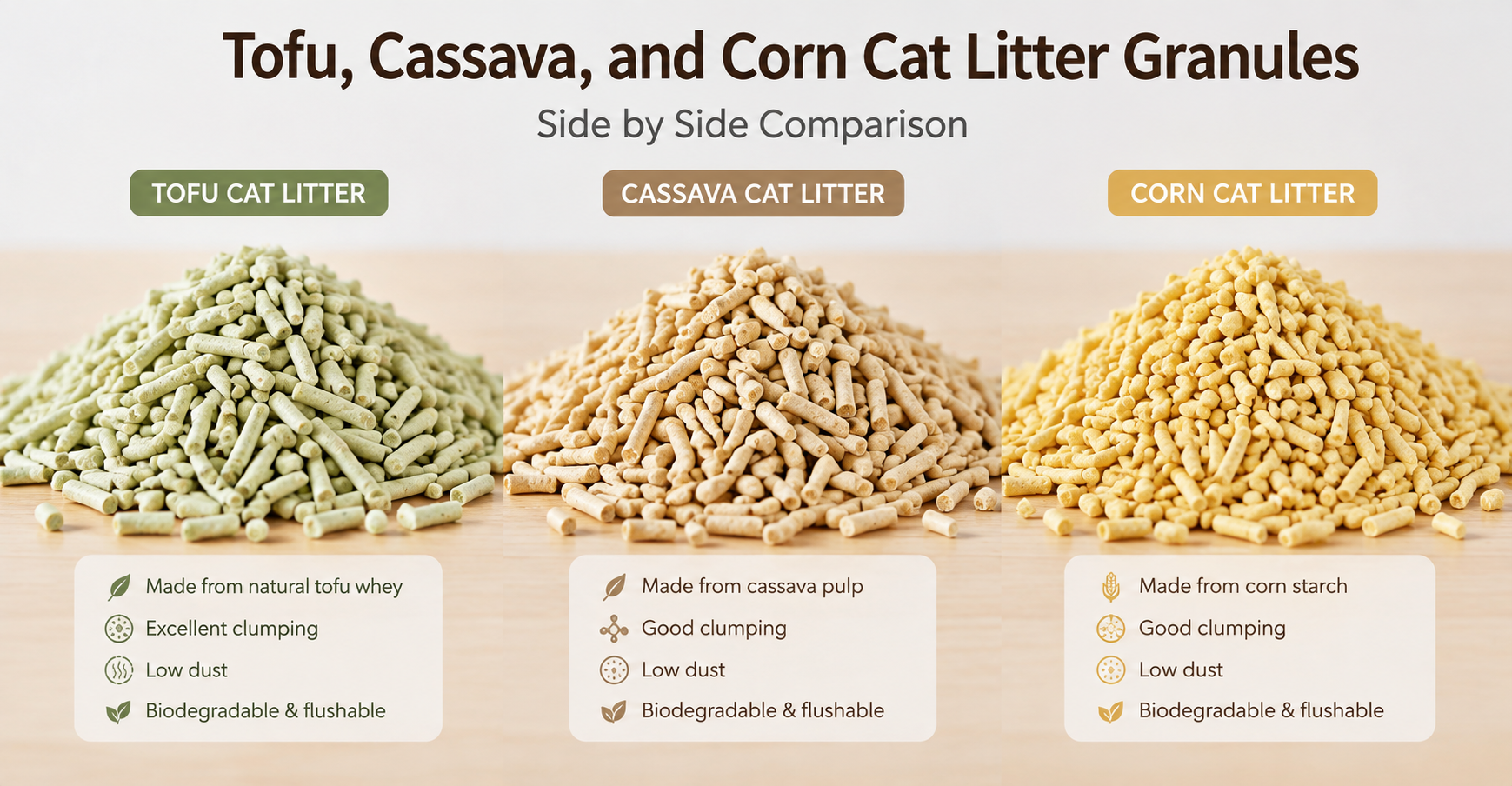
Litter color is largely a branding and shelf-differentiation choice rather than a performance one. Plant-based formulas like tofu and cassava have a natural light tone that most brands retain, since it visually reinforces the natural-ingredient claim on the packaging.
Coloring is generally worth customizing only when it directly supports a specific product story — a charcoal-tinted SKU marketed on odor control, for instance. Added colorant is another cost line and another variable requiring stability testing, so it needs a reason beyond aesthetics.
Which Formula Variables Are Worth Customizing on a First Order
- Worth customizing early: granule size and clumping strength, when your target customer has a clear preference — a multi-cat SKU genuinely needs lower tracking, for example.
- Usually keep standard: scent. Choose from proven options first.
- Customize only with a specific reason: color, and only where it supports a stated product claim.
- Rule for testing: change one variable at a time across comparison samples. Change two and you won’t know which one produced the result.
Every customization decision also has a cost consequence — see our breakdown of private label cat litter cost for how formula choices flow through to landed cost, and how small a first cat litter order can be if you’re planning to validate a formula before committing to full volume.
Frequently Asked Questions
What granule size is best for cat litter?
There is no universally best granule size. Fine granules pack tightly and produce firmer clumps but track more out of the box. Coarse granules track less but form slightly looser clumps. Most retail brands settle on a medium granule size as a balance, then adjust based on customer feedback after their first sell-through cycle.
Can cat litter clumping strength be adjusted without changing the base material?
Yes, within limits. Clumping strength is controlled largely by the ratio of clumping agent to base material and by how finely the raw material is processed before granulating. A factory can usually tune clump firmness up or down on the same base formula before switching base materials becomes necessary.
Should I customize scent on my first private label cat litter order?
Usually not. Most factories maintain a small set of pre-tested fragrance options that add little to no lead time because their stability has already been validated against the clumping agent. A fully bespoke scent requires new fragrance sourcing and stability testing, which adds weeks. Save it for a later order once you know what your customers respond to.
Article summary: “Custom formula” is four separate decisions — clumping strength, granule size, scent, and color — each with its own cost and lead time. Customize the variables your specific customer actually cares about, hold the rest standard, and change one at a time so your test results mean something.
Discuss Your Formula Specification
Tell us your target clumping strength, granule size, and use case — we’ll recommend a starting formula and a realistic customization timeline.
Talk to Our Team →