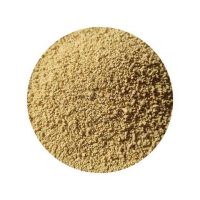
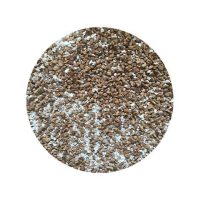
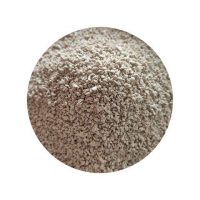
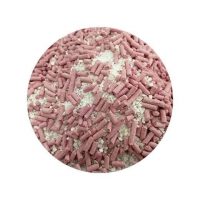
A test report can look reassuring without answering the buyer’s real question. It may cover a different formula, a sample selected by the supplier, one parameter instead of the complete specification, or a product tested years before the current order.
Wholesale buyers do not need to become laboratory specialists. They do need to read the document in a disciplined order and understand what it proves, what it does not prove, and whether it can be connected to the shipment.
COA and SGS Report Are Not the Same Thing
A certificate of analysis is a document reporting selected test results for a product or lot. It is often issued by the manufacturer or its laboratory. A useful COA supports routine batch release against an agreed specification.
An SGS report is issued by SGS for the service and sample described in that report. It may cover laboratory testing, inspection, verification, or another defined scope. The SGS name does not mean that every aspect of the factory or product has been approved.
Neither document should be judged by logo alone. Read the issuer, scope, sample identity, dates, methods, and results.
Step One Identify the Document
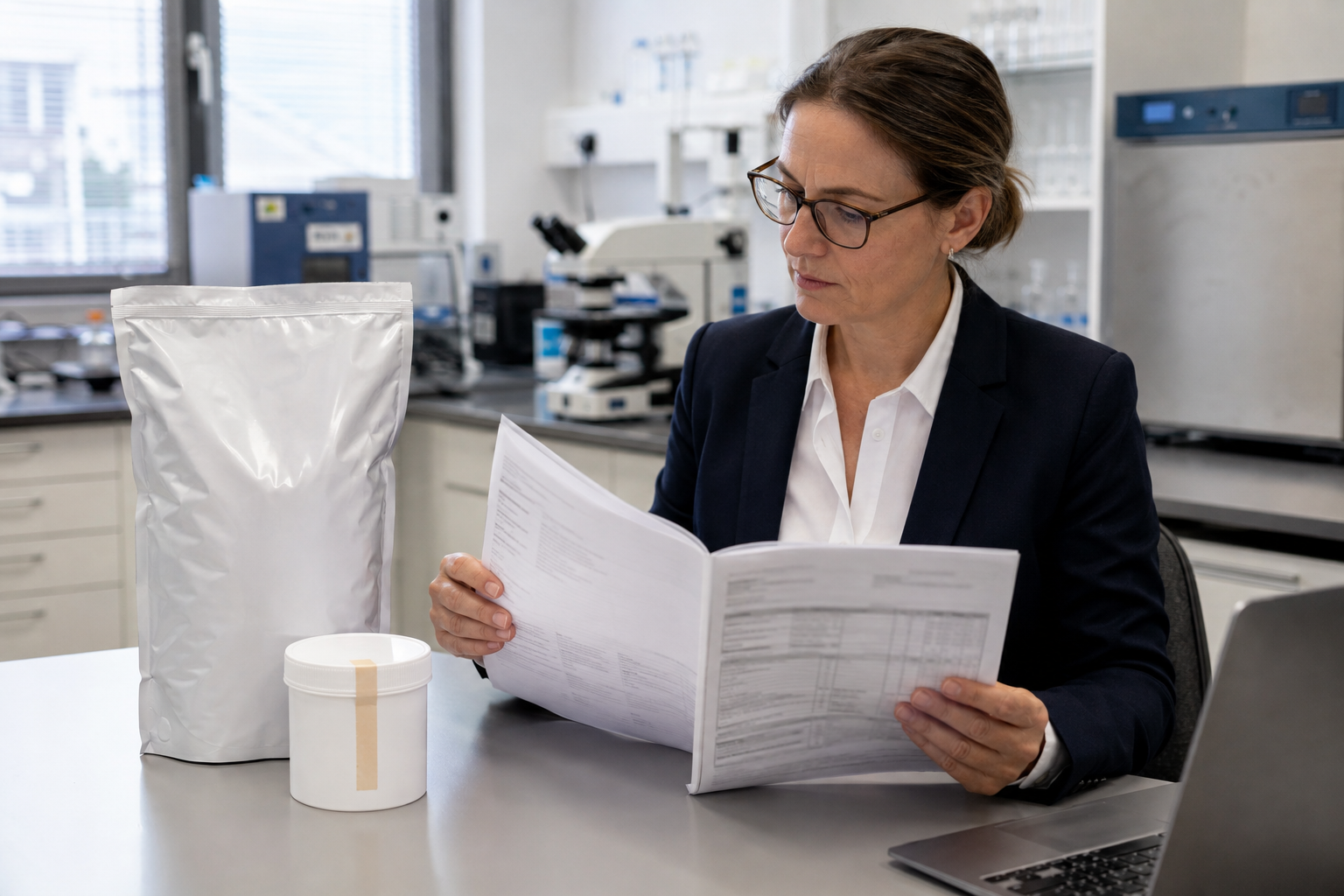
Check the title and issuer first. Is it a COA, test report, inspection report, audit certificate, or management-system certificate? Each serves a different purpose.
Record the report number, issue date, page count, issuing office or laboratory, client, and any signatures or digital validation. Make sure you have the complete document. A cropped first page can hide methods, remarks, photos, and limitations.
SGS advises users to provide a full document for verification rather than relying on a report number alone. Buyers can use the official SGS document verification guidance and relevant SGS certified client and product tools when applicable.
Step Two Match the Product
The product description should be specific enough to connect the report to the item being quoted. Compare:
- Product name and internal code
- Formula or principal material
- Fragrance, color, and particle format
- Retail or sample packaging
- Manufacturer and production site
- Lot or batch number
- Production and sampling dates
If the sales sample is a mixed tofu formula but the report says only “cat litter,” ask for the underlying identification. A report for an unfragranced formula may not cover a fragranced version when the added material affects the test or regulatory assessment.
Step Three Understand Who Selected the Sample
Sample custody affects the strength of the evidence. A supplier-submitted sample proves the result for what was submitted, assuming the report is genuine. It does not automatically prove that the laboratory selected material from the production lot.
An independent inspector who draws and seals samples from identified production can create a clearer link. Review the sampling location, date, quantity, sealing method, lot, and chain of custody where these details matter.
Ask one direct question: does this document cover a development sample, a routine factory sample, or the lot that will be shipped?
Step Four Read the Test Method
A result has meaning only within a method. For performance characteristics such as dust, absorption, clump strength, or odor control, methods can vary widely.
Check:
- Standard or internal method number
- Sample preparation and conditioning
- Equipment and units
- Detection or quantification limit where relevant
- Test environment and duration
- Pass limit or customer specification
- Deviations, remarks, and uncertainty statements
Two reports showing different numbers may not conflict if the methods differ. Conversely, two identical percentages may not be comparable when one measures sieve fines and the other measures airborne dust.
Step Five Compare Result With Requirement
Many buyers stop at the word “pass.” Read the actual value, unit, limit, and basis for the limit. Determine whether the requirement came from law, a retailer standard, the buyer’s specification, or the laboratory client’s instruction.
For a routine cat litter COA, commercially relevant items may include:
- Moisture
- Particle-size distribution
- Fines or agreed dust result
- Bulk density
- Absorption result
- Clump test result
- Net weight or packaging checks
- Microbiological or chemical parameters when required
Not every product needs every test on every lot. The test plan should follow the formula, risk, claims, destination, and contract.
Step Six Check Dates and Production Relevance
An older report can support background understanding but may not represent current production. Ask whether the formula, raw material, supplier, production site, equipment, method, or packaging changed after the test.
For repeat orders, define which properties are checked per lot, periodically, or after change. A current supplier COA and periodic independent testing can work together. The first controls routine production; the second provides external confirmation at an agreed frequency.
Step Seven Verify the Report
Do not accept a screenshot, edited excerpt, or report number as sufficient for a high-value decision. Obtain the complete PDF from a traceable source and use the issuing organization’s official verification route. Contact details should come from the organization’s official website, not only from the document being checked.
Look for inconsistent fonts, missing pages, altered product descriptions, mismatched dates, or a client name that does not connect to the supplier. These signs do not by themselves prove fraud, but they justify direct verification.
Common Misreadings
A Passing Result Means the Factory Is Certified
It does not. A product test report covers the listed sample and tests. A management-system certificate covers a named organization, site, standard, and certification period. Keep those claims separate.
SGS Approved the Product
An SGS report normally documents a defined service and result. Use wording such as “tested by SGS for the parameters listed in report X” only when accurate and permitted. Do not turn a limited test into a broad endorsement.
One Sample Proves Every Batch
It does not. Production control, sampling, traceability, retained samples, and periodic verification are needed to manage repeat-order consistency.
A COA Proves Legal Compliance Everywhere
It does not. A COA reports the parameters it includes. Destination compliance may require different tests, documents, labels, registrations, or expert review.
Build a Quality Document Package
For a private label order, define the package before production:
- Signed product and packaging specification
- Approved reference sample
- Test methods and acceptance limits
- Pre-shipment inspection scope
- Lot-specific COA requirements
- Independent laboratory tests where needed
- Retained samples and retention period
- Change-control and failure procedure
This is more effective than requesting “an SGS certificate” without stating the concern. The correct service might be a chemical test, microbiological test, performance test, loading inspection, or factory audit.
Questions to Ask the Supplier
Ask which laboratory performed each test, whether it is internal or external, who selected the sample, which lot was tested, whether the method matches the purchase specification, and how often the test is repeated.
Also ask for the full unedited document and permission to verify it with the issuer. A professional supplier should understand why a buyer needs traceable evidence.
Magnet’s cat litter manufacturer page provides an overview for buyers planning formula, quality, and production discussions. Buyers preparing a commercial order can use the private label and wholesale cat litter page to send the required test and document list with the RFQ.
FAQ
What should a cat litter COA include?
It should identify the product and lot, test date, methods, units, results, specification limits, disposition, and authorized issuer. The exact parameters depend on the product and agreement.
How can I verify an SGS report?
Obtain the full report and use SGS’s official verification channel. Do not rely only on a screenshot, QR image, or contact information supplied in an email.
Does an SGS report cover the whole factory?
Only if the document’s scope says so. A product test report usually covers the submitted sample and listed tests, not every product, batch, process, or site.
Is a supplier COA enough for every shipment?
It can support routine lot release, but higher-risk orders may also justify independent sampling, inspection, or laboratory testing. Define the approach in the purchase agreement.
How recent should a cat litter test report be?
There is no universal age. Consider regulation, customer rules, formula and supplier changes, risk, and test purpose. Require retesting after relevant changes even if the older report has not reached an arbitrary expiry date.
Article summary: A COA and an SGS report answer different questions. Buyers should identify the issuer, product, sample, lot, test method, limits, results, dates, pages, and verification status before treating either document as evidence for the goods being purchased.
Build Testing Into Your Cat Litter Order
Share your destination, formula, claims, test standards, and required reporting with Magnet before production so samples, COAs, inspections, and third-party tests can be planned correctly.
Discuss Quality Documents