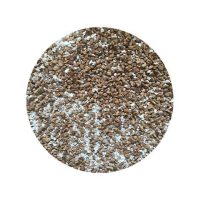
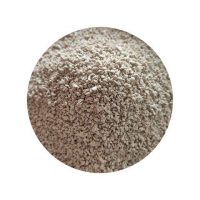
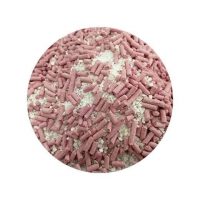
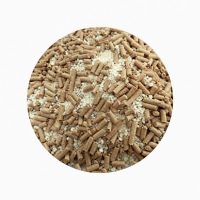

“Low dust” is one of the most common cat litter claims and one of the easiest to misunderstand. A clean-looking sales sample may create visible dust after a long shipment. Two factories can also report different percentages because they use different screens, sample weights, shaking times, or calculation methods.
Wholesale buyers should not purchase a low-dust clumping litter from a claim alone. They need a written specification that defines how dust, fines, and clumping are measured, how production is sampled, and what happens when a lot fails.
Low Dust Needs a Test Method
There is no single public method used by every cat litter factory and market. One supplier may measure particles below a chosen sieve size. Another may use a dust chamber, a controlled pour, or a visual grade. Those results cannot be compared until the method is aligned.
Ask the supplier to provide the complete procedure:
- Sample weight and conditioning
- Sieve opening or instrument used
- Shaking, tumbling, or pouring time
- Drop height and container shape
- Number of repetitions
- Calculation and reporting unit
- Acceptance limit and rounding rule
A percentage without this context is not a usable specification. The same principle applies to claims such as 99 percent dust free. Buyers should understand exactly what the missing one percent represents and whether the test reflects opening, pouring, scooping, or transport abrasion.
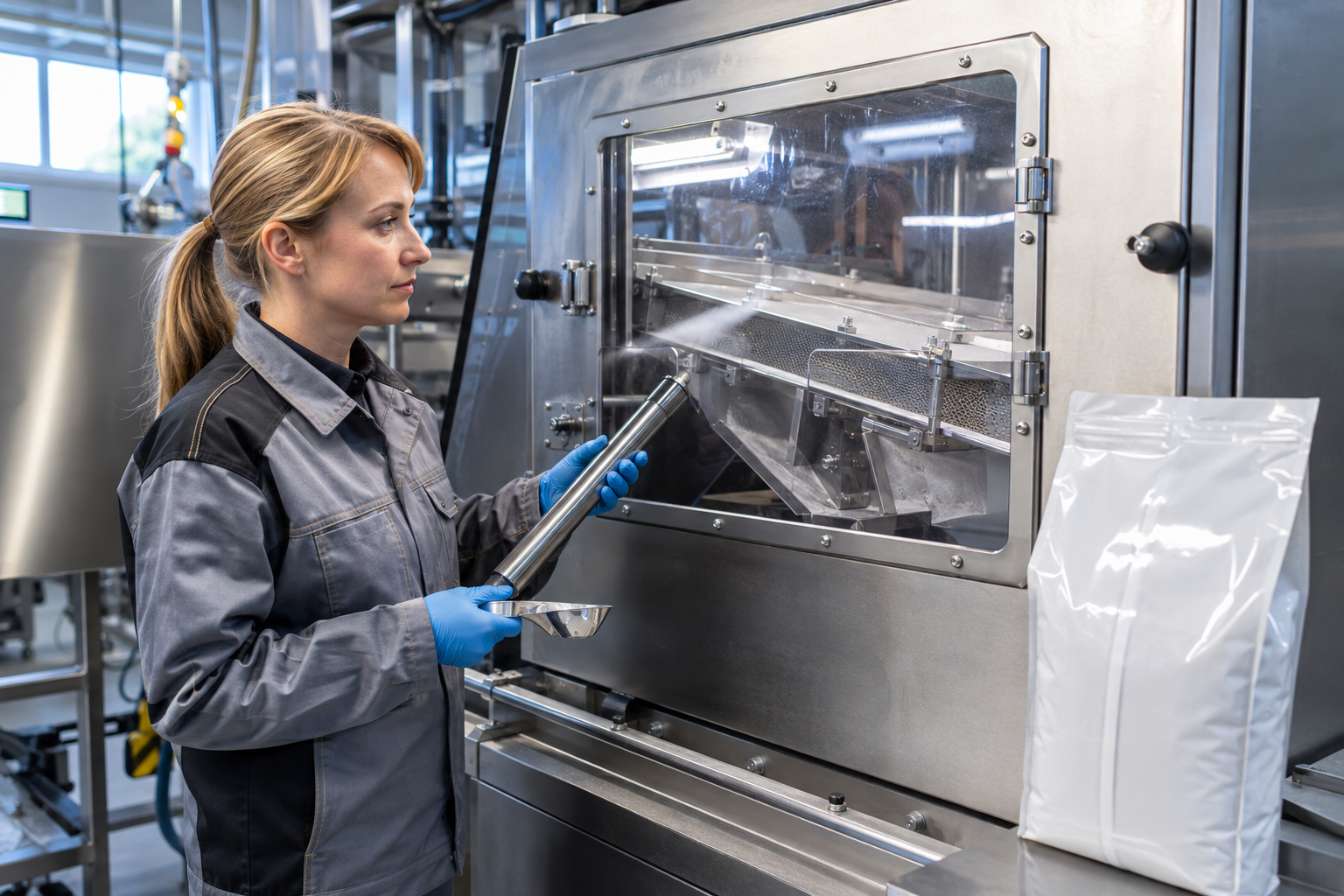
Separate Fines From Airborne Dust
Small particles and airborne dust are related but not identical. Fines are material below a defined particle size. Airborne dust is the portion that becomes suspended during handling. A formula may contain fine but relatively heavy particles that do not remain airborne, while a fragile product can create light dust after abrasion.
A strong buyer specification can include both a sieve result and a handling test. That provides a better picture of the customer’s experience when opening and pouring the bag.
Measure Particle Distribution
Nominal granule size is not enough. A 2 mm product can contain a broad mix of small and large pieces. Ask for the percentage retained between agreed sieve sizes, plus limits for oversize material and fines.
Particle distribution affects:
- Dust and tracking
- Pouring and bag settling
- Clump density and internal voids
- Screening in automatic litter boxes
- Appearance from one batch to the next
Measure the sample before and after transport simulation. A fragile granule may meet the factory limit at packing and fail after container movement and last-mile delivery.
Include an Abrasion or Transport Test
Low-dust performance should survive normal distribution. The buyer and supplier can agree on a repeatable tumble, vibration, or drop sequence for a sealed bag, followed by the same sieve and pour tests used for fresh material.
The purpose is not to recreate every truck and warehouse. It is to reveal whether modest handling causes an unacceptable increase in fines. Record bag fill, headspace, test duration, and orientation because they influence breakage.
Define Clumping Performance at the Same Time
Dust reduction should not come at the expense of clumping. A product that is heavily processed to remove fines may still form weak or sticky clumps. Specify the wet test in practical terms:
- Use a stated litter depth and sample weight.
- Add a stated volume of test liquid from a fixed height.
- Wait for defined setting times such as short-cycle and normal scooping conditions.
- Lift the clump with the same scoop or mechanical method.
- Record intact mass, broken material, sticking, and removal force where relevant.
Repeat the test at different points in the bed and after the opened litter has been stored. If the product targets automatic boxes, add rotation and screening tests.
Supporting Specifications Buyers Often Miss
Dust and clumping results can move when other variables drift. Include reasonable ranges for:
- Moisture content
- Bulk density
- Absorption method
- Odor-control test method
- Ingredient or mineral source where material changes matter
- Fragrance identity and dosage
- Color and appearance against an approved sample
- Net-weight tolerance
- Bag barrier, seal strength, and puncture resistance
- Production date, lot code, shelf life, and storage
Do not request a laboratory number simply because it sounds technical. Each limit should connect to product performance, compliance, packaging, transport, or customer expectation.
Put the Method in the Purchase Agreement
Statements in email can disappear when purchasing moves to another employee or a new production manager. Attach the approved specification and test methods to the purchase order or quality agreement.
Define whether inspection occurs during production, before shipment, or both. State the sampling plan, accepted quality limits where used, retained-sample procedure, reporting format, and remedy for a confirmed failure. The supplier should know which results block shipment.
Lot-specific COAs can summarize agreed production results, but a COA does not replace independent inspection when the order or risk justifies it.
Evaluate the Retail Bag
Even a stable low-dust formula can arrive dusty if the package allows excessive movement or fails at a corner. Test the filled retail unit, not only loose product from a laboratory pouch.
Check film thickness, seals, gussets, zipper, handle, headspace, and master-carton fit. Open bags from the top, middle, and bottom of a transport test because fines can settle. This also shows whether the customer’s first pour differs from the final use.
Use Accurate Product Claims
“Low dust” is generally more defensible than “dust free” when some fine material remains. Keep the underlying test records and make sure product photography does not imply a result the formula cannot maintain.
Avoid medical claims unless they are legally permitted and supported for the target market. A low-dust litter can be described through its measured handling performance without promising to prevent disease, allergy, or respiratory problems.
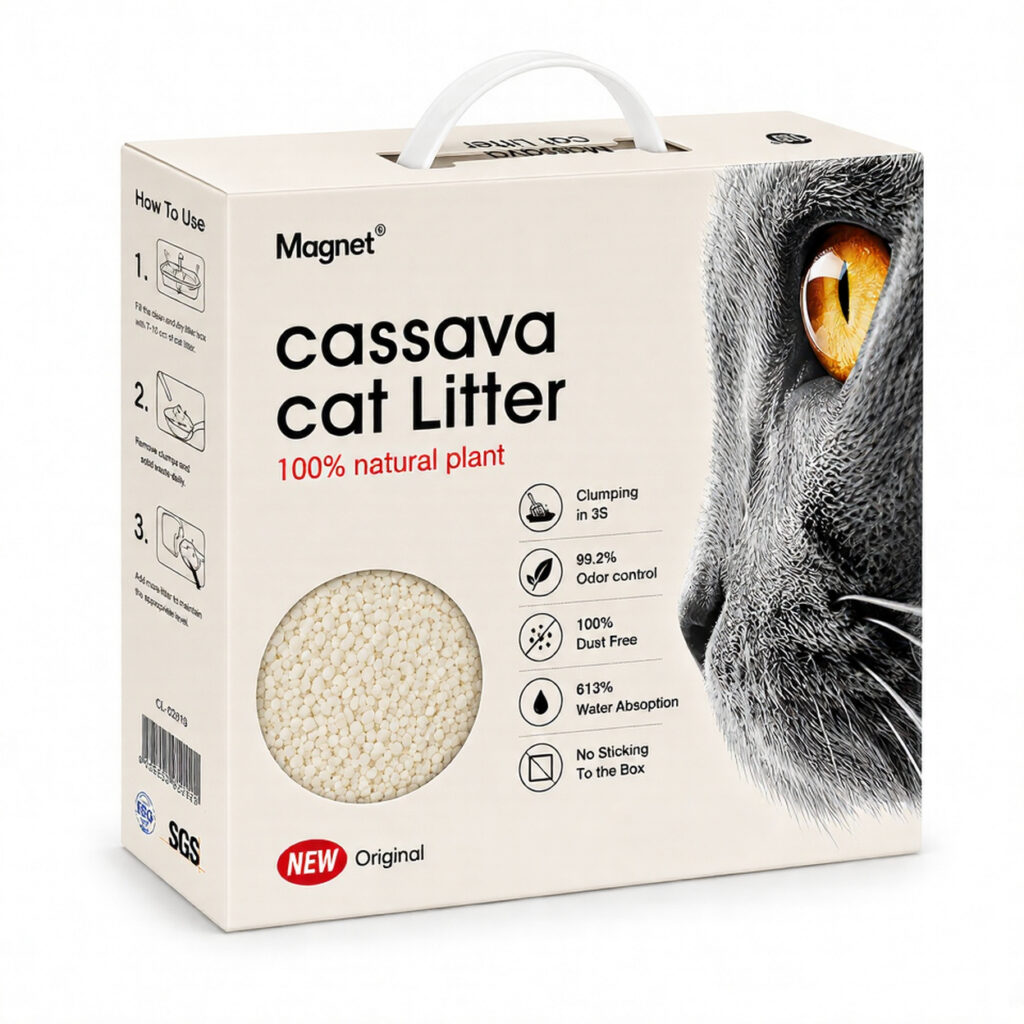
Magnet’s clumping cat litter manufacturer page gives buyers a commercial starting point for formula and packaging discussions. For a broader sourcing project, the cat litter manufacturer page explains available production support.
A Better RFQ for Low Dust Litter
Send the supplier the product type, destination market, particle range, target bag size, clump test, dust method, shipping route, annual volume, and required claims. If you have a benchmark, send an unopened reference sample and explain which properties matter most.
Request results in the same table for every candidate. A cheaper sample is not cheaper if it creates complaints, returns, shelf dust, or inconsistent reorders.
FAQ
What percentage counts as low-dust cat litter?
There is no universal percentage that applies to every method. Define the test, particle threshold, calculation, and acceptance limit before comparing supplier results.
Is fines content the same as dust level?
No. Fines are particles below a defined size, while airborne dust depends on particle weight, handling, static, and the test environment. Both can be useful measurements.
Should buyers test dust after shipping?
Yes. Transport can break particles and increase fines. A controlled vibration, tumble, or drop test helps reveal whether the original result will survive distribution.
What belongs on a cat litter COA?
A lot-specific COA can include moisture, particle distribution, fines or dust result, bulk density, absorption, and other agreed checks. Every number should refer to a defined method and the shipped batch.
Can low dust and strong clumping be optimized together?
Yes, but one should not be assumed from the other. Approve both properties using repeatable tests and confirm them after formula or process changes.
Article summary: Low dust is meaningful only when buyer and supplier use the same test. A useful wholesale specification defines particle distribution, fines, moisture, abrasion, clump performance, packaging, sampling, and acceptance limits.
Request a Measurable Low Dust Litter Specification
Magnet can prepare clumping litter samples and discuss particle, dust, clumping, packaging, and batch-control requirements for wholesale and private label programs.
Discuss Your Specification