Anyone weighing new pet business concepts eventually runs into the same bottleneck: a great retail concept only works if the supply chain behind it can actually deliver consistent stock at a workable margin. Litter is a useful category to study this through, because it is heavy, recurring, and formula-sensitive, which means the supplier a store picks shapes both shelf economics and customer retention. Before locking in a supplier, it helps to understand how pet wholesales actually work — where the margin sits, who controls the formula, and what changes once order volume crosses from pallet to container.
Most new entrants start with a distributor because it is the lowest-friction way to get product on shelf without committing to container volume or import paperwork. That approach works well early on, but it caps how much margin a store can capture and how much say it has over what’s actually in the bag. Understanding the trade-off between convenience and control is one of the more overlooked parts of scoping pet business ideas before committing capital to inventory.
What a Distributor Actually Adds to the Chain
A regional distributor holds inventory across several brands and formulas, breaks bulk shipments into smaller case-pack orders, and handles delivery on a schedule that suits a single-location retailer. That convenience carries a built-in markup, since the distributor is reselling stock it purchased from a manufacturer rather than producing it. For a store just testing whether litter should be part of its assortment at all, this is usually the right starting point — low commitment, fast restock, no direct exposure to shipping or customs. The ceiling shows up later, once sales volume is steady enough that the distributor markup starts eating into what could otherwise be retained margin.
Moving to a Clumping Cat Litter Manufacturer Directly
Once a retailer or regional distributor is confident in volume, going straight to a clumping cat litter manufacturer removes that resale layer entirely. Direct sourcing means negotiating pricing on production cost rather than a marked-up wholesale rate, and it opens the door to specification changes — granule size, dust level, clumping strength, packaging — that a distributor simply can’t offer because they aren’t the ones producing the material. The trade-off is real: minimum order quantities are higher, lead times follow container shipping schedules rather than local delivery routes, and the buyer takes on import documentation that a distributor would otherwise absorb. For a business scaling past its first few reorders, this is usually where the numbers start to favor going direct.
Why Bentonite Still Anchors Most Wholesale Catalogs
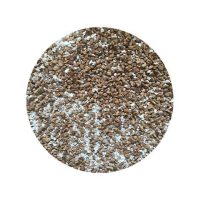
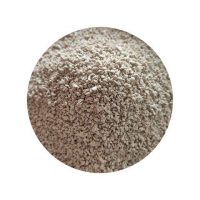
Formula choice is where a lot of the actual margin decision happens. Working with bentonite litter Chinese wholesalers remains the most common entry point for a reason — bentonite is the most cost-efficient clumping material on the market, and China’s mineral deposits and export infrastructure keep supply steady at scale. It’s why almost every distributor catalog leads with bentonite as the value tier, and why most private-label programs start there before expanding into other formulas.
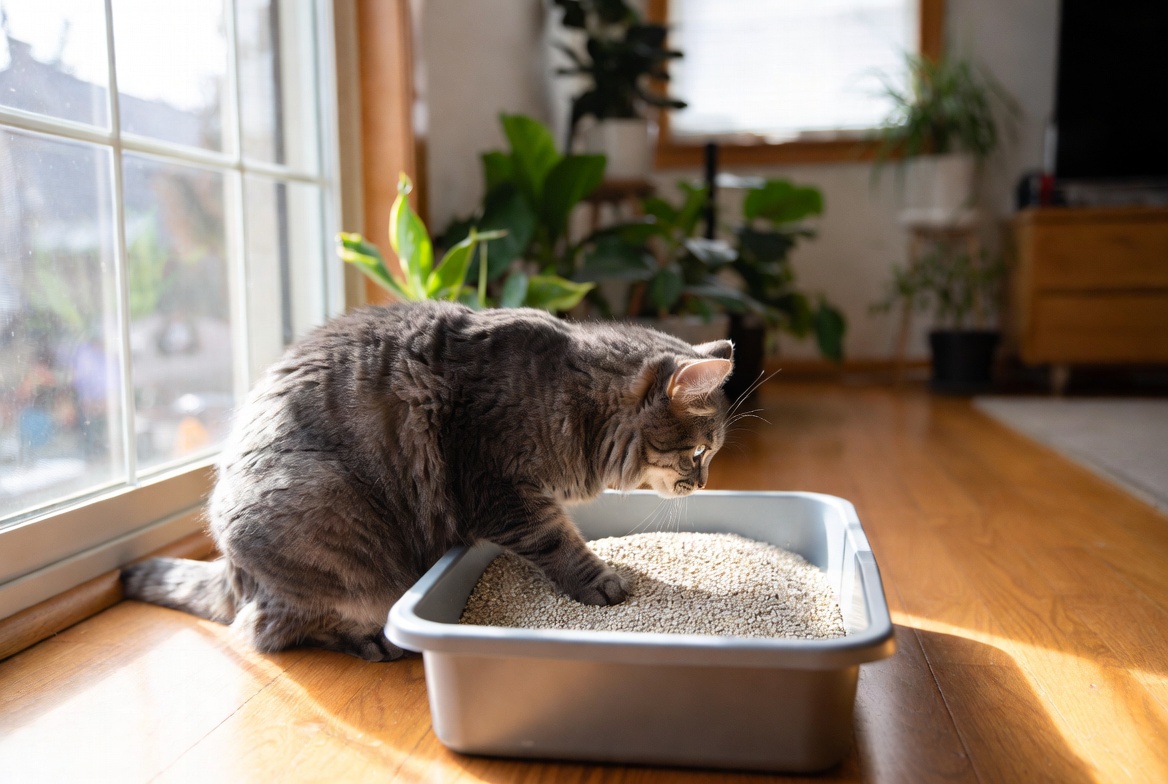
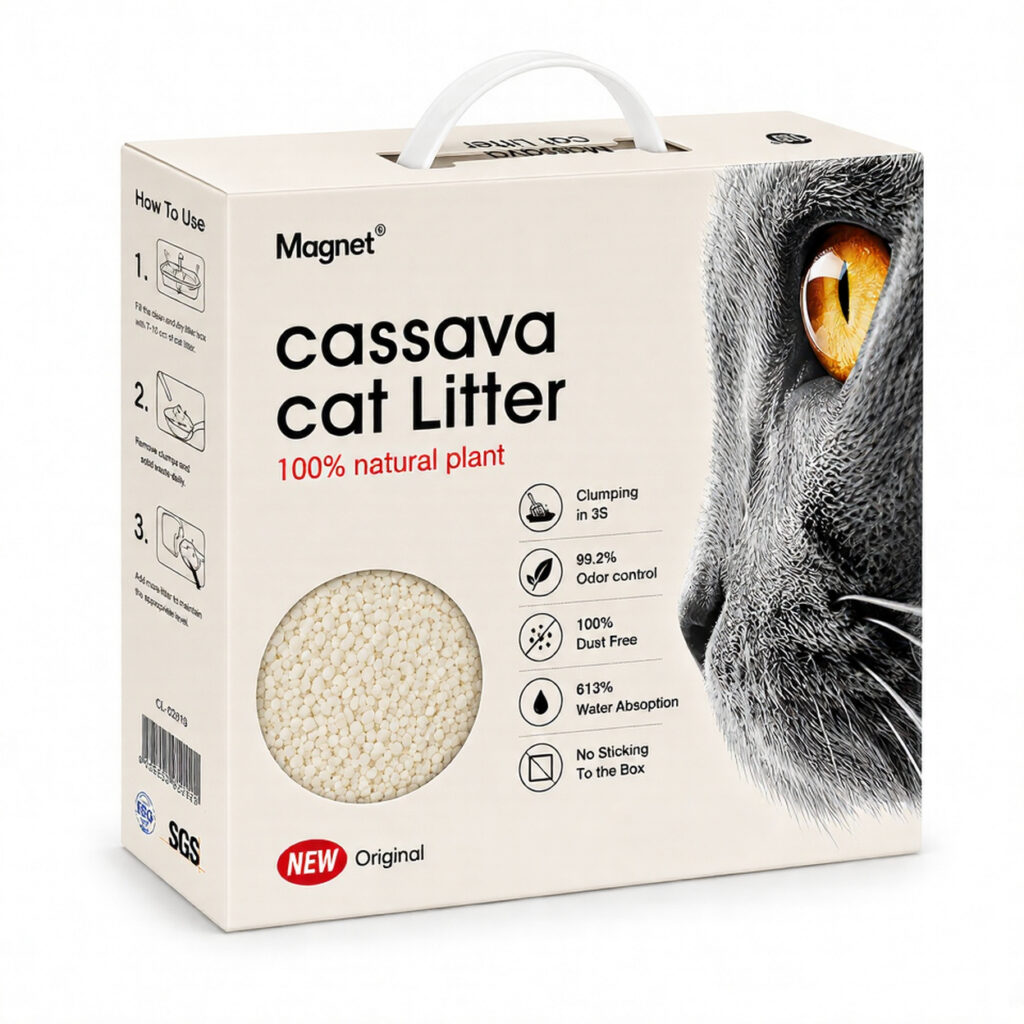
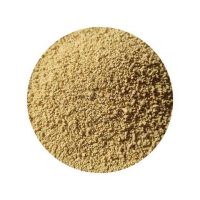
That said, plant-based lines have become a real second tier rather than a niche add-on. Tofu and cassava litters compete on flushability and lighter weight, appealing to a customer segment that bentonite doesn’t fully serve. Sourcing both mineral and plant-based formulas from one factory, rather than splitting the order across two specialist suppliers, tends to keep documentation and quality standards consistent across a mixed product range — which matters more than it sounds like once a store is carrying three or four SKUs from the same category.
Sourcing Through Magnet® Cat Litter Manufacturer
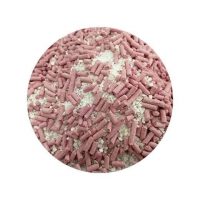
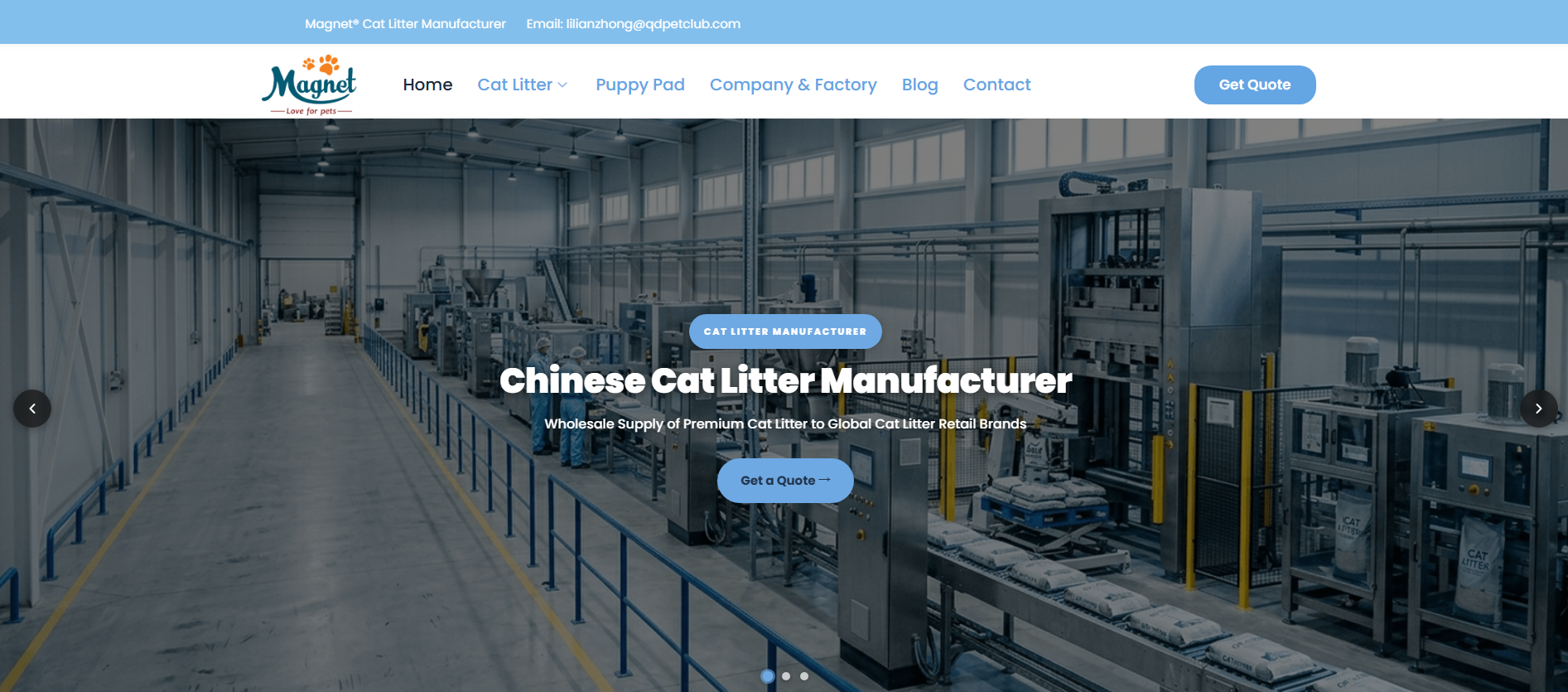
For buyers ready to source directly, working with a Magnet® cat litter manufacturer line gives access to bentonite, cassava, tofu, and blended formulas under documented OEM specifications, backed by ISO, SGS, and TÜV certification. FCL and LCL orders are supplied factory-direct, so a growing retailer or regional distributor gets a manufacturing partner instead of another resale layer, while smaller buyers can still request sample quantities before committing to a full container. Specification sheets and batch testing records ship with every order, which keeps compliance paperwork simple further down the retail chain.
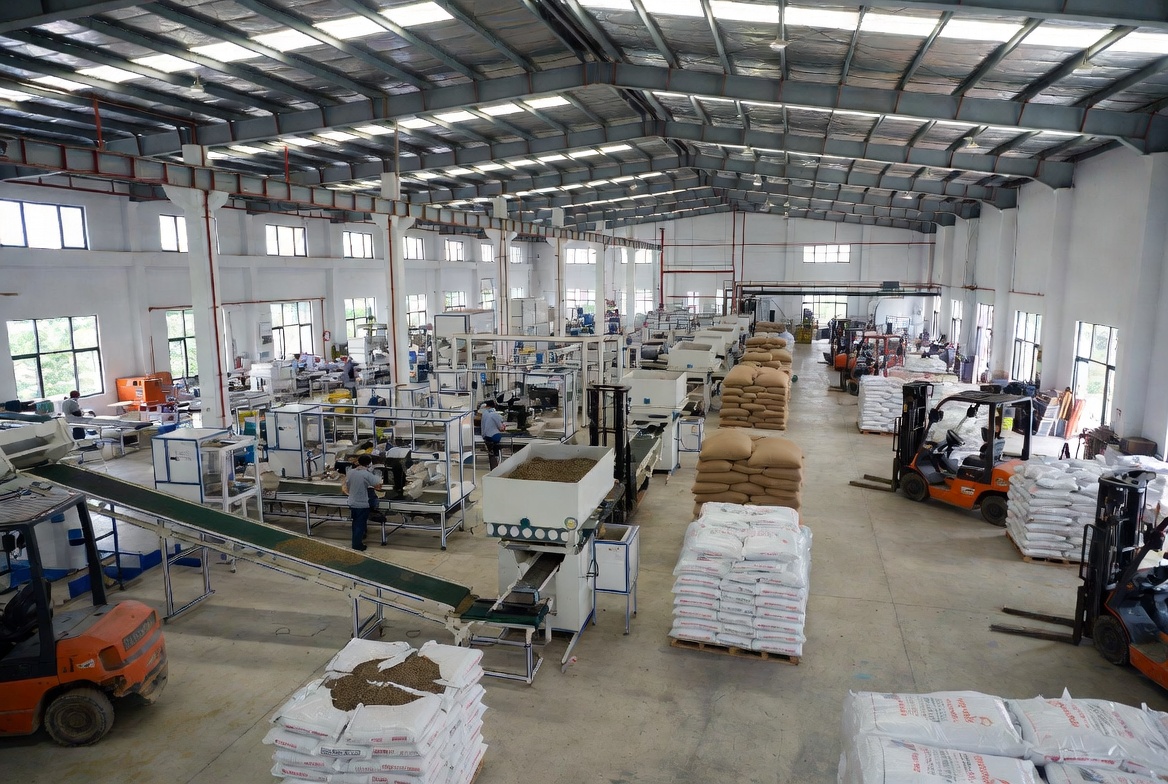
Sourcing snapshot: Formula lines: bentonite / cassava / tofu / blended | Certifications: ISO, SGS, TÜV | OEM/ODM: full specification control | Supply: FCL, LCL, and sample quantities
Matching the Supply Model to Your Stage of Growth
There isn’t a single correct answer here — a store testing whether litter belongs in its assortment shouldn’t be signing container commitments, and a distributor moving steady monthly volume shouldn’t still be paying someone else’s markup. The right move is matching the supply structure to where the business actually sits: distributor for flexibility and low commitment, direct factory sourcing once volume and specification control start to matter more than convenience.
Request Samples & Wholesale Pricing
Factory-direct supply across bentonite, cassava, tofu, and blended formula lines, with full OEM support for distributors and retailers.
Get Wholesale Factory Pricing →