Natural litter has moved from a niche shelf tag to one of the fastest-growing segments in the US pet aisle, and a growing number of importers are treating it as a standing line rather than a seasonal test. For a pet wholesales operation looking to add or expand a natural formula range, the opportunity is real, but the import side of the process looks different from ordering a standard bentonite container — documentation, packaging compliance, and formula stability all carry more weight once the product is plant-based rather than mineral.
Before committing to a supplier, it’s worth treating the sourcing decision as one of several pet business ideas worth stress-testing against actual landed cost, not just factory quote price. Freight, duty classification, and the extra handling that plant-based materials sometimes require at the port all factor into whether a natural litter line is actually more profitable than the mineral line it’s meant to complement.
Why Natural Formulas Are Driving Import Demand
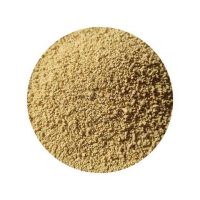
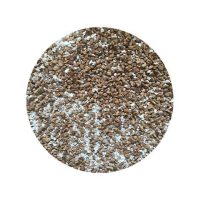
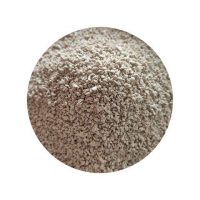
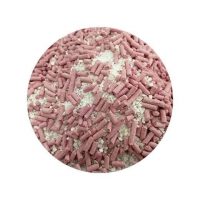
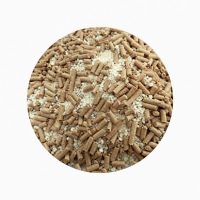
Tofu, cassava, and corn-based litters answer a specific set of customer complaints that mineral litter never fully solved — dust, weight, and disposal method. Plant-based material breaks down faster and can typically be flushed in small quantities, which appeals to apartment-dwelling cat owners in dense US metro markets. For a wholesaler, the appeal is less about chasing a trend and more about filling a gap that bentonite can’t cover on its own, since carrying both formulas under one supply relationship spreads demand across a wider customer base instead of competing for the same value-tier shopper.
What Changes at the Import Stage
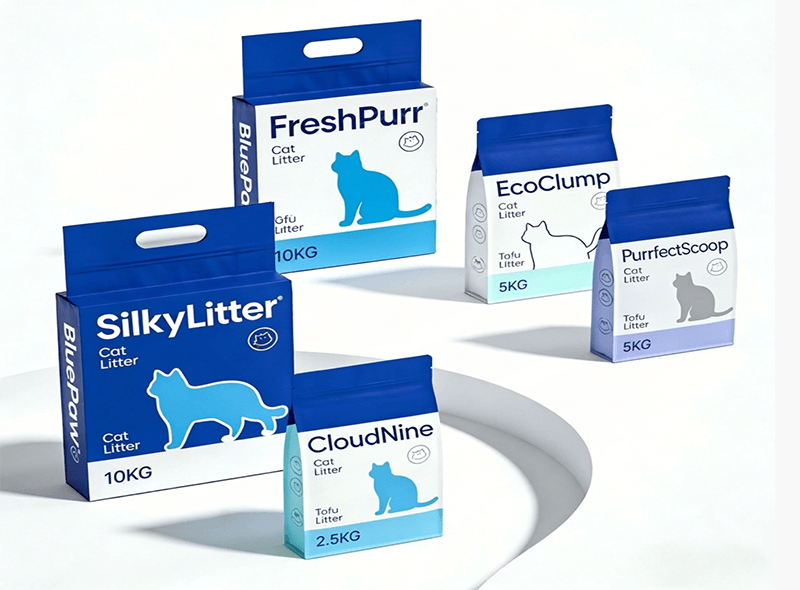
Getting a natural litter container into the US involves the same customs process as any packaged pet product — HTS classification, a commercial invoice, packing list, and bill of lading — but plant-based material adds a few extra checkpoints. Moisture content needs to be verified before loading, since organic material is more sensitive to humidity swings during a multi-week ocean transit than clay is. Packaging also needs to hold up to that same transit without breaking down, which is why importers increasingly ask suppliers for moisture-barrier liners rather than the simpler kraft bags that work fine for bentonite. None of this makes the process harder in a meaningful way, but it does mean the supplier’s quality control matters more for natural formulas than it does for mineral ones.
Sourcing From a Clumping Cat Litter Manufacturer
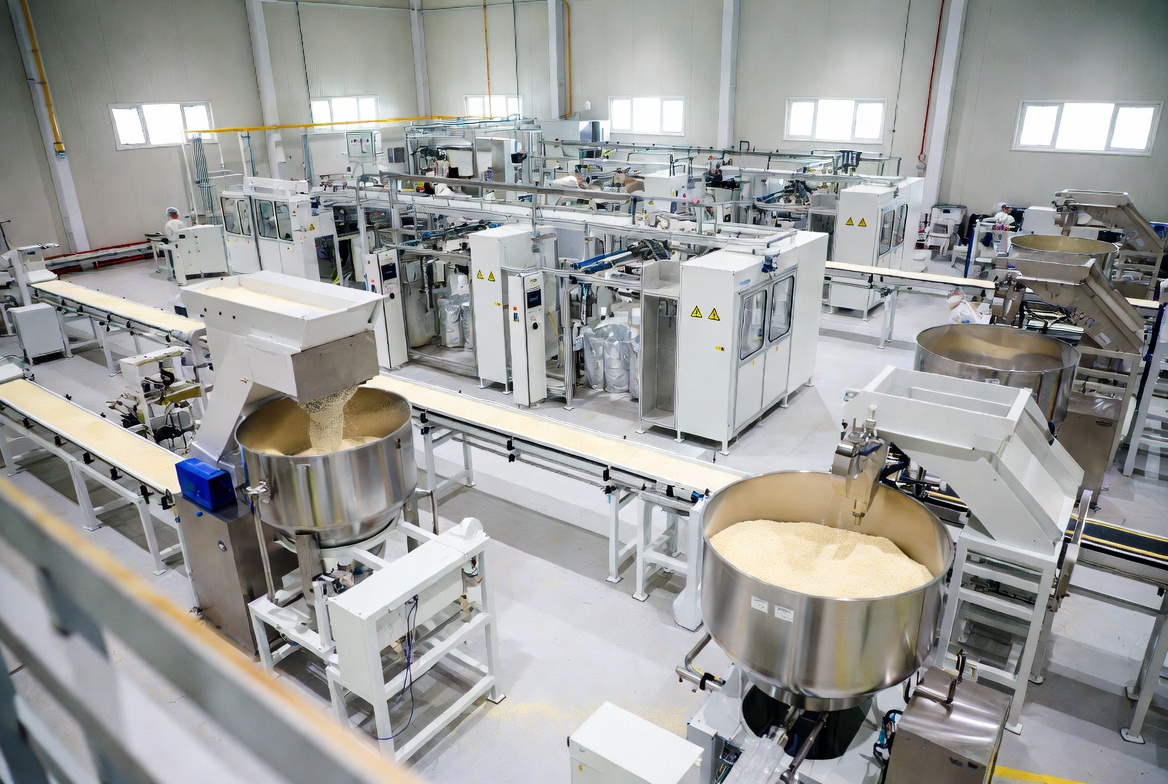
Most natural litter entering the US still comes from the same manufacturing base that supplies mineral litter, since a clumping cat litter manufacturer running both product lines can apply the same batch testing and export documentation across formulas rather than treating natural litter as a separate, less-controlled process. That consistency matters at customs, where mismatched documentation between formula types is one of the more common causes of a shipment getting flagged for extra inspection. A factory already exporting bentonite at volume typically has the packing and labeling process down to a routine, which carries over cleanly when a natural line is added to the same order.
Bentonite Still Sets the Cost Baseline
Even for wholesalers focused on expanding into natural formulas, working with bentonite litter Chinese wholesalers is usually what anchors the rest of a container order. Bentonite fills the volume that makes a full container economical, while the natural formula rides alongside it as a smaller, higher-margin addition. Ordering both from one source rather than splitting a container across two suppliers keeps freight cost per unit lower and avoids the coordination headache of syncing two separate ship dates into one warehouse receiving window.
Working With Magnet® Cat Litter
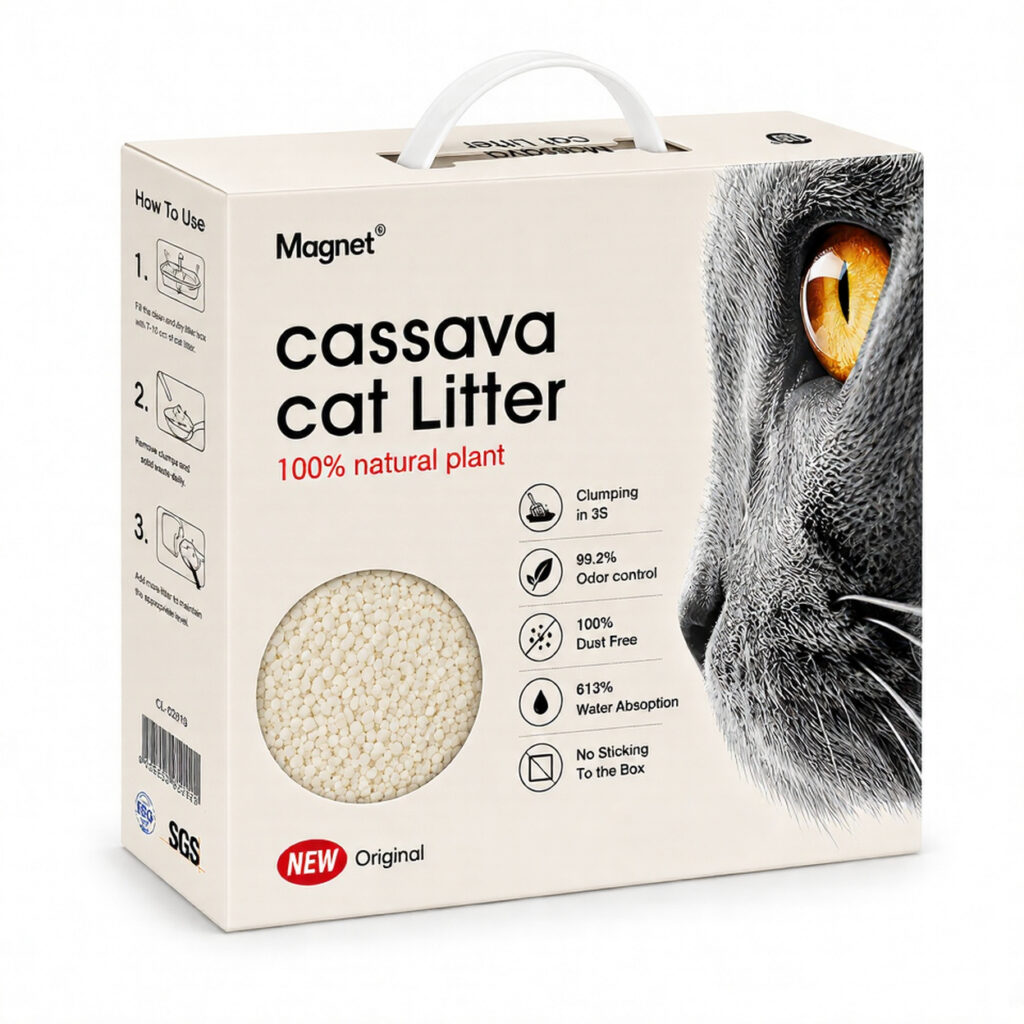
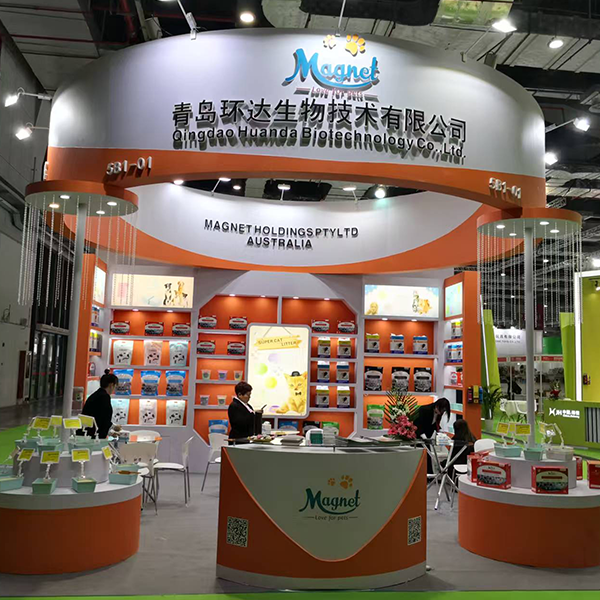
Magnet® Cat Litter supplies bentonite, cassava, tofu, and blended formulas from one factory base, with export documentation, moisture-controlled packaging, and batch certification handled under ISO, SGS, and TÜV standards regardless of which formula is on the order. That single-source structure is what makes mixed-container orders straightforward for US-bound wholesalers — one set of paperwork, one shipping schedule, and one quality standard across the whole range rather than a patchwork of supplier relationships.
Import snapshot: Formula lines: bentonite / cassava / tofu / blended | Certifications: ISO, SGS, TÜV | Packaging: moisture-barrier options for natural formulas | Supply: FCL, LCL, and mixed-formula containers
Request Samples & Import Documentation
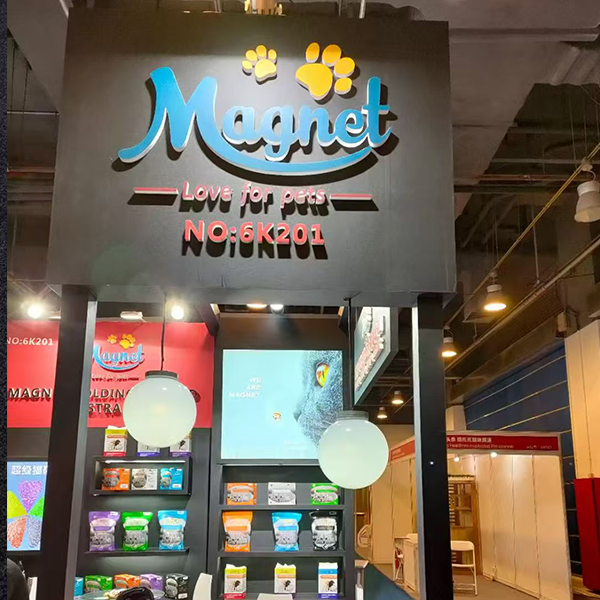
Factory-direct supply across bentonite, cassava, tofu, and blended formula lines, with export documentation ready for US-bound wholesalers.
Get Wholesale Factory Pricing →