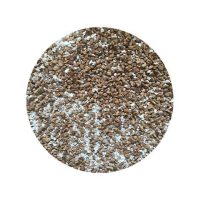
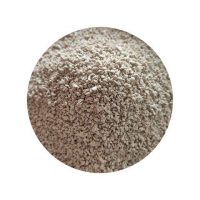
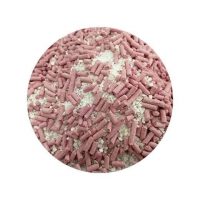
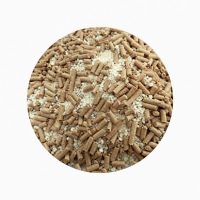
Tofu cat litter packaging has three jobs before it has a design job. It must keep plant-based pellets dry, prevent breakage and leakage, and survive the route from factory to customer. If the bag fails those tasks, attractive artwork will not protect reviews or repeat orders.
Private label buyers should develop the pack around the formula, bag weight, sales channel, and shipping method. A pouch for a pet-store shelf does not face the same handling as a parcel sent alone through ecommerce.
Start with the filled product
Do not choose bag dimensions from an empty mockup. Tofu litter is light by volume, and cylindrical pellets settle differently from crushed granules. The same net weight can create a different bag shape for each format.
Fill trial packs with the actual formula. Let them settle, stand them on a shelf, stack them in cartons, and carry them by the handle. Check whether the bag looks full without being under pressure.
The filled sample reveals wrinkles, bulging, unstable bases, and artwork distortion that a flat proof cannot show.
Decide whether customers shop by litres or kilograms
Cat litter markets use both volume and weight. Tofu litter’s lightweight character makes litres useful because they show how much box-filling volume the customer receives. Kilograms may be more familiar for price comparison.
Many brands display both. If you do, verify the conversion for the actual bulk density and control it across production. Do not copy a litre value from another formula.
The front of the bag should make net quantity easy to find. Consistent pack sizes also help retailers compare shelf efficiency and help ecommerce teams calculate shipping.
Choose a bag format for the sales channel
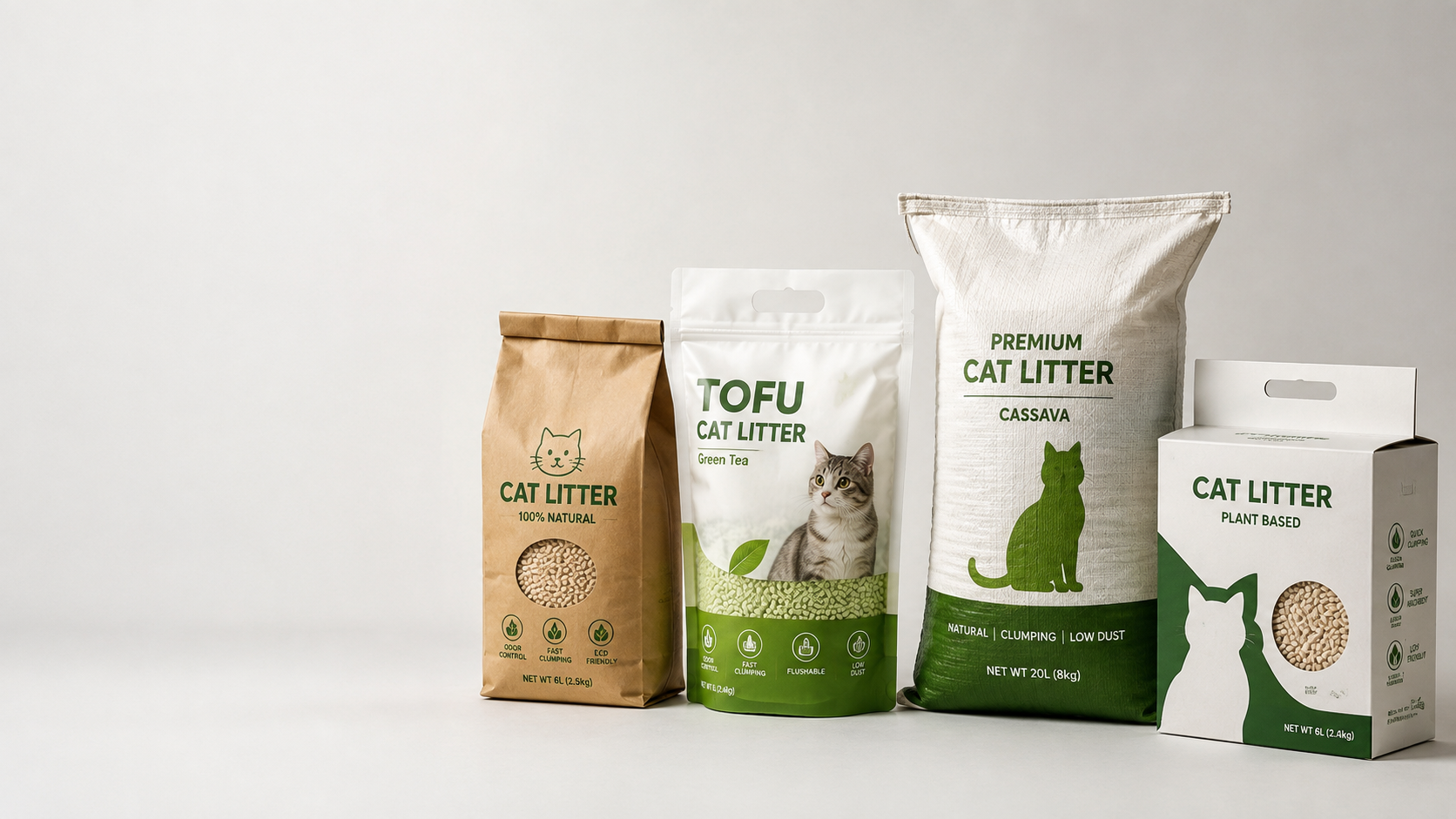
Stand-up pouches provide a clean retail face and can include a zipper or handle. Gusseted bags use shelf depth efficiently. Flat-bottom formats can stand well but may require more material and careful sealing. Larger bulk sacks suit professional users or repacking operations rather than consumer shelves.
For ecommerce, compact dimensions and puncture resistance often matter more than a premium finish. For physical retail, stable standing and a readable front panel are important.
Select the simplest format that protects the product and supports the brand position. Extra closures and shaped handles add cost and production complexity.
Protect tofu litter from moisture
Plant-fibre pellets need a reliable moisture barrier. Humidity can soften granules, change clumping, increase breakage, and affect odor.
Ask the packaging supplier or manufacturer about film structure, barrier performance, and seal compatibility. Test finished packs under the expected warehouse and shipping conditions.
A zipper helps after opening but does not replace the original heat seal. The customer should receive a fully sealed product and clear storage instructions.
Control seams and leakage
Fine powder can find very small weaknesses in a seal. Crushed tofu and mixed formulas may place more fine material against the seams than large pellets.
Inspect side, bottom, and top seals on filled bags. Squeeze gently, turn the pack, and wipe the exterior. Repeated fine leakage creates a poor first impression even when the total product loss is small.
Define seal width and acceptance checks in the packaging specification. Confirm that the factory removes litter from the sealing area before closure.
Add a handle only after a lift test
A handle is useful for larger packs, but it creates a stress point. Test it with the actual filled weight and after the bag has been stored and transported.
Lift repeatedly, carry the pack, and check for film stretching or small tears near the cutout. If a handle requires thicker material or reinforcement, include that cost before artwork approval.
For small lightweight pouches, a handle may not improve the customer experience enough to justify the extra complexity.
Test pellet breakage inside the pack
Packaging protects more than the outside appearance. Excessive compression and vibration can turn intact tofu pellets into fines.
Check particle condition before packing, after normal handling, and after shipping simulation. Pour the entire bag and inspect the bottom. If breakage rises, adjust pellet hardness, fill density, bag dimensions, carton support, or pallet pattern.
This is especially important for a low tracking tofu cat litter because transport-created fragments can undermine the claim.
Design the carton with the retail bag
The shipping carton determines how bags are supported. Too much empty space allows movement and abrasion. An overly tight carton can compress pellets and stress seals.
Pack the planned number of bags and run a practical drop, vibration, and stacking review. Open the carton and inspect every bag, not only the outside.
Carton dimensions affect pallet efficiency and container loading. A small improvement in case size can increase the number of sellable bags per shipment, so packaging should be planned with logistics rather than after it.
Keep front-panel claims focused
Tofu litter offers many possible claims: plant-based, clumping, low dust, low tracking, lightweight, biodegradable, and water-dispersible. Printing all of them at equal size makes the front panel difficult to scan.
Choose one primary promise and a few supporting facts. Match every claim to the approved formula and target-market rules.
Flushable wording requires particular care. Plumbing and wastewater requirements vary, and septic systems may need different guidance. Use responsible disposal instructions rather than an absolute universal promise.
Show the real product format
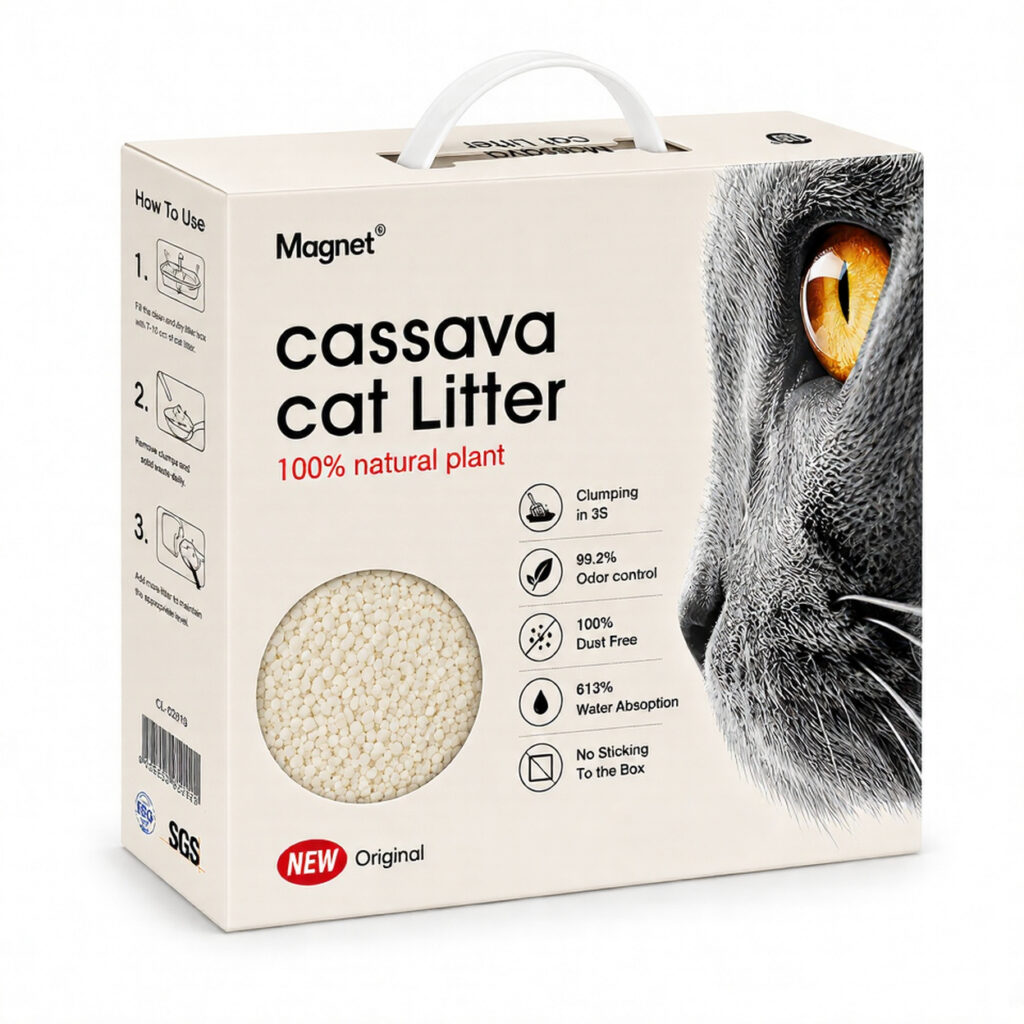
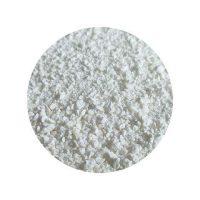
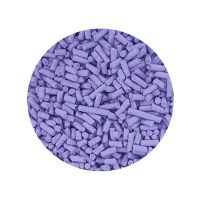
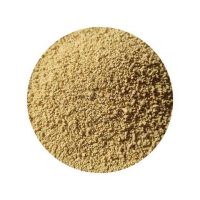
If the bag contains 2 mm cylinders, product photography should not show fine crushed litter. If the formula contains activated charcoal, the image should reflect the actual distribution rather than an exaggerated field of black pellets.
Accurate images reduce returns and help customers understand texture before opening. A small clear window can serve the same purpose, but it must not weaken the barrier or make normal settling look like a defect.
Approve photography from production-representative samples.
Leave room for required information
The back and side panels may need ingredients, net quantity, instructions, warnings, manufacturer or importer details, origin, batch code, barcode, recycling guidance, and local-language text.
Requirements differ by market, so confirm them before final artwork. Do not squeeze legal copy into unreadable type after the design has been approved.
Plan a clear area for date or batch printing and test whether the code remains legible on the chosen film.
Manage artwork versions carefully
Every scent, pellet size, formula, and bag weight can create another artwork file. Use a naming and approval system that makes the differences obvious.
Check barcode, net content, colour, fragrance name, product image, and language on each version. Ask for a final print proof and compare it with the signed artwork.
One incorrect number repeated across thousands of bags is far more expensive than another proofing round.
Separate packaging MOQ from litter MOQ
Custom printed film often has its own minimum. A factory may be able to produce the litter quantity you want while the bag printer requires a larger run.
Ask for:
- MOQ per bag size and artwork
- Number of bags produced from the minimum film run
- Setup, cylinder, or plate costs if applicable
- Storage terms for unused packaging
- Lead time for proofing and printing
- Options for neutral bags or labels during a trial
The cat litter MOQ guide explains why these minimums should be compared separately.
Approve a filled production sample
The final approval should include more than a digital proof. Ask for a filled bag using production-representative film, seals, zipper, handle, formula, and net weight.
Review colour under normal retail light, scan the barcode, carry the pack, open and reseal it, and pour the product. Place it inside the planned carton and repeat shipping checks.
Keep an approved sample. It becomes the practical reference for later orders and helps resolve questions about colour, dimensions, and construction.
Connect packaging to landed cost
Premium film and closures may raise unit cost, while efficient dimensions can save carton and freight space. Compare the complete landed result.
Calculate bag cost, carton cost, bags per case, cases per pallet, container loading, damage allowance, and ecommerce packing needs. A cheaper bag that leaks or requires a second shipping pouch is not truly cheaper.
The tofu cat litter bulk buying guide connects these packaging decisions to formula, MOQ, and shipment planning.
Treat packaging as part of product quality
Customers experience the bag before they experience the litter. A clean seal, accurate weight, easy pour, and intact pellets create trust before the first clump forms.
Magnet supports printed retail bags, neutral packaging, and bulk formats for private label tofu cat litter. Start with the actual formula and route to market, then build a pack that protects both.
FAQ
What packaging is used for tofu cat litter?
Common options include stand-up pouches, gusseted bags, flat-bottom bags, cartons, neutral bags, and larger bulk sacks. The best format depends on bag weight, retail channel, barrier needs, and shipping.
Should tofu cat litter be labelled in litres or kilograms?
Use the unit customers and retailers expect in the target market. Many products show both, but the conversion must be verified for the actual formula and bulk density.
Does tofu cat litter packaging need a moisture barrier?
Yes. Moisture can soften plant-based granules, change clumping, and increase breakage. Film structure and seals should be tested with the filled product.
Why is the custom bag MOQ different from the litter MOQ?
Printed film and bag production have their own setup and minimum run requirements. Buyers should confirm formula, bag, and artwork minimums separately.
What should be checked before approving a private label bag?
Check filled shape, dimensions, seal strength, leakage, handle, zipper, barrier, artwork, barcode, required text, carton fit, shipping durability, and pellet condition after handling.
Article summary: Good tofu litter packaging protects pellets from moisture and breakage, communicates volume honestly, survives retail or ecommerce handling, and stays practical within the packaging MOQ.
Plan Your Private Label Tofu Litter Packaging
Magnet supports retail bags, neutral packaging, bulk sacks, custom artwork, and filled packaging samples for private label tofu cat litter programs.
Discuss Packaging Options