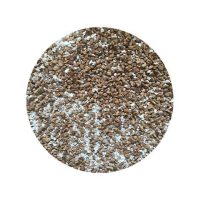
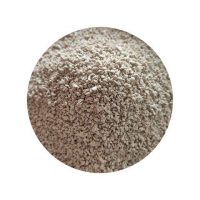
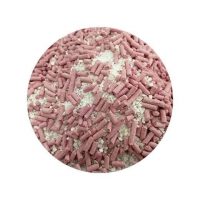


Six fragrances and three bag sizes can turn a simple launch into eighteen stock decisions before the first customer buys anything. The packaging looks like a complete brand, but the inventory behaves like eighteen separate products.
A private label cat litter product range works better when each SKU has a clear job. Start with the customer you can reach, choose a dependable core offer and add variants only when they answer a different buying need.
Choose a Customer Before Choosing Materials
A neighborhood pet store, an online subscription business and a regional wholesaler do not need the same opening assortment. Their customers buy different quantities, tolerate different delivery costs and receive different amounts of product advice.
Write a short description of the first customer and the buying situation. Are they replacing an established litter, trying a plant-based option or buying a familiar product more conveniently? What do they currently pay, and where do they buy it?
This does not require an elaborate market report. It requires a more specific answer than cat owners who want quality. Without that answer, every item in a supplier catalogue can appear worth launching.
Give the Core SKU the Clearest Job
The core product should be the easiest one for your intended customer to understand and for your business to replenish. It need not be the cheapest or most technically unusual formula.
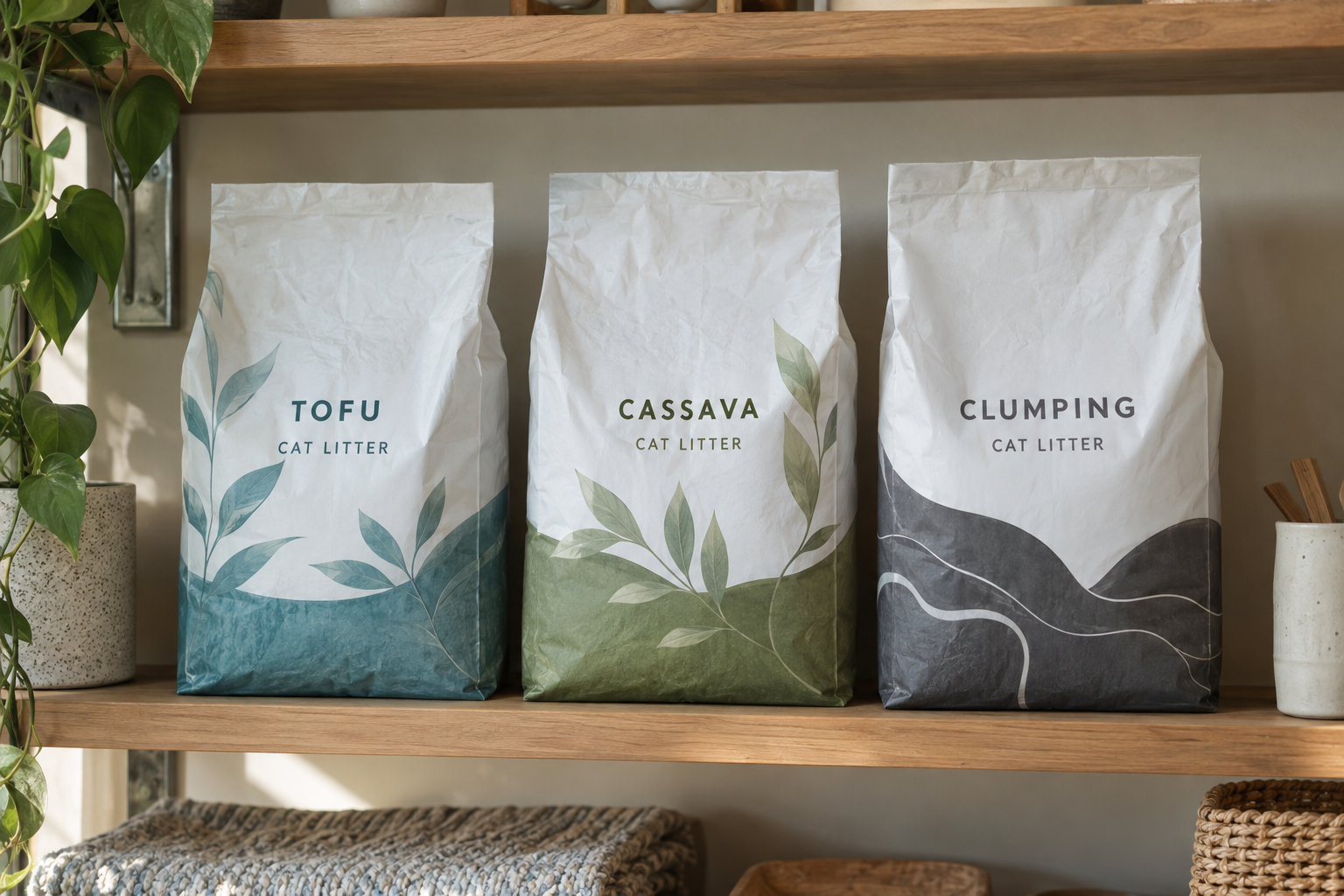
For one brand, an unscented tofu cat litter could be a starting candidate. For another, a different texture or material may fit existing demand better. Choose from actual customer knowledge and an approved product brief, not a claim that one material suits everyone.
Keep the opening description simple. State what the product is, who it is intended for and which supported characteristic distinguishes it. A core SKU that requires a long explanation may be harder for a store employee to recommend consistently.
Add a Second Product Only for a Different Reason to Buy
A second SKU should serve a need the first does not. It might offer a different texture, a larger refill quantity or a clearly defined composition. Changing the fragrance and bag color is not automatically enough.
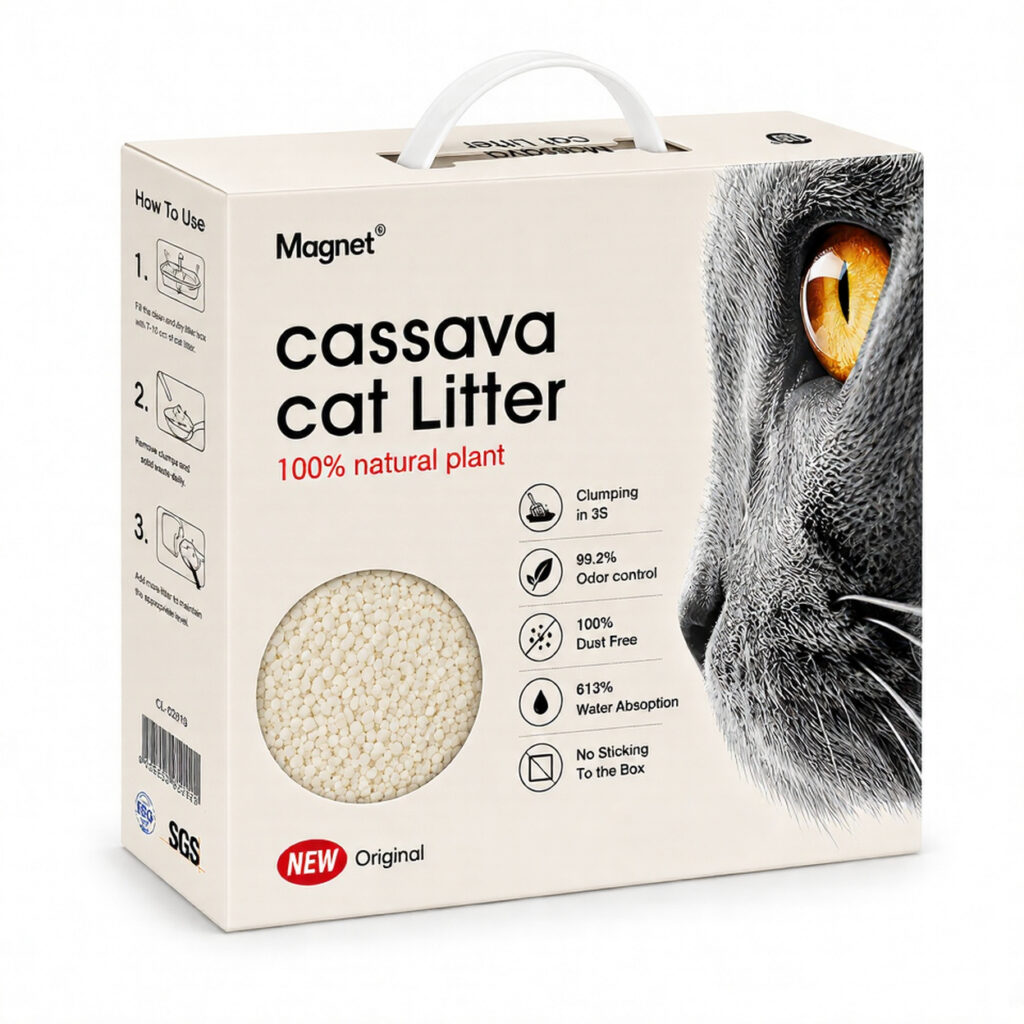
For example, a cassava cat litter could sit beside a tofu line when the different product format has a useful role. It should not be called premium solely because its raw-material name is less familiar.
Ask a colleague to explain the choice between the two without reading the full product specification. If the answer is vague, refine the assortment before adding a third option.
Build Price Tiers Without Confusing Quantity and Quality
An entry offer can be a smaller trial pack or a standard formula in simpler packaging. It does not have to be a deliberately weak product. A higher-priced offer should give the customer a reason to pay more that the business can support.
Compare equivalent quantities when discussing value. A smaller bag may have a lower checkout price but a higher cost per kilogram or liter. Make that distinction clear internally and review how the shelf label presents it.
Work backward from the intended selling price through retailer margin, delivery, preparation and product cost. Avoid approving a formula first and hoping the final price will fit the market later.
Treat Every Variant as an Inventory Commitment
Different sizes, fragrances and artworks can introduce separate minimums and replenishment needs. Ask the supplier which variants share a production run and which require their own packaging purchase.
An illustrative two-formula range with two sizes already creates four SKUs before fragrance is added. That arithmetic is not a recommendation to launch four. It is a reminder to count the operational consequences of each choice.
Request the minimums, lead times and case configurations for the exact range. Total order volume does not necessarily satisfy the minimum for each printed bag.
Leave Room for Evidence From the First Sales
Define what would justify expansion. Useful signals include repeat orders, specific unmet customer requests and acceptable contribution after channel costs. A few enthusiastic launch comments are not enough to justify several additional variants.
Also decide when a SKU should be reviewed or removed. Slow sales may reflect weak placement or an unclear description, but they may also indicate that the product adds little to the range. Do not keep buying it merely to preserve a symmetrical display.
Track each SKU separately. A strong total sales figure can conceal one product repeatedly selling out while another absorbs the cash needed to replenish it.
Send the Supplier an Assortment Brief
When approaching a wholesale cat litter supplier, send your channel, customer profile, intended price positions and the role of each proposed product. Include bag sizes and any composition restrictions.
Ask the supplier to identify where the range can be simplified. Shared components may help, but do not accept a packaging or formula compromise that removes the distinction customers need.
A good opening range is not the largest one you can afford to print. It is a small set of products that customers can choose between confidently and your business can keep in stock.
Build a Focused Cat Litter Assortment
Tell Magnet your sales channel, target customer and planned opening range. Ask which formulas and packaging options fit that brief.
Discuss Your Private Label Range