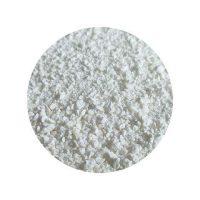
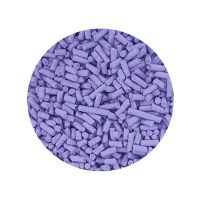
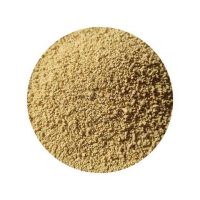
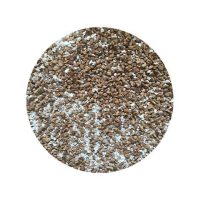
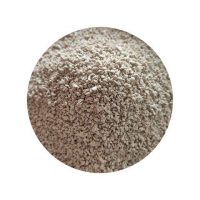
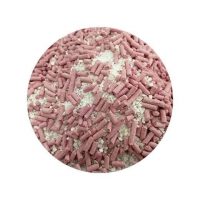
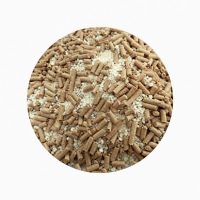
A buyer searching for wheat litter can encounter products with quite different compositions. A grain-based formula, a straw-based product and a mixed plant-fiber litter should not be treated as interchangeable because the names sound similar.
That makes the first step in a wheat straw cat litter private label project unusually important: identify exactly what you are buying. The specification should explain the finished formula, how it is expected to work and what will be checked before a shipment is accepted.
Resolve the Product Name First
Ask the supplier whether the wheat-derived component is straw, grain or another fraction, and request a composition statement for the proposed SKU. Confirm any binders, other plant materials and intentionally added fragrance.
Use that information to review the name on the bag. A commercial name should not suggest a pure material when the actual product is a blend. Where detailed percentages are confidential, agree what information is available under a confidentiality arrangement and what must be disclosed for your market.
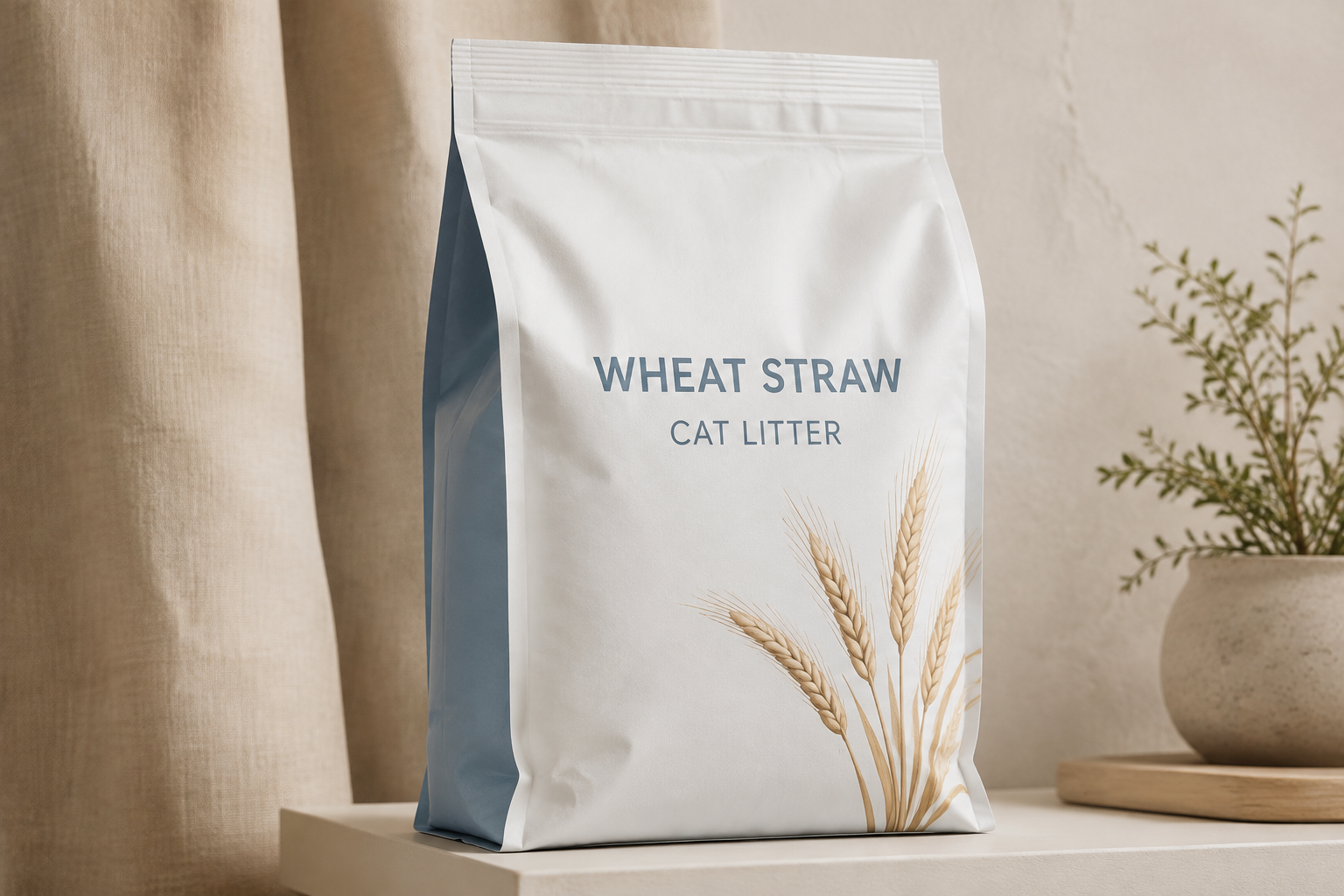
The wheat straw cat litter product is a starting point for a supplier discussion, not a substitute for the order-specific specification you approve.
Define the Intended Cleaning Method
Is the proposed product designed to form removable clumps, absorb liquid without clumping, or work in another specified way? Do not leave that question to a product photograph.
For a clumping brief, assess removal at agreed waiting periods and inspect what remains in the tray. For any other format, establish the intended cleaning routine and replacement instructions before evaluating cost in use. Comparing products with different cleaning methods using one clump test would be misleading.
Ask the supplier to demonstrate the actual proposed formula and disclose the conditions used. A demonstration can explain the product, but repeatable testing is still needed to approve it.
Choose Limits That Mean Something in Use
A specification is useful when each item has a method and an acceptance decision. Terms such as low dust, strong and dry are too open-ended on their own.
Agree how to assess particle distribution, broken material, moisture and any performance requirement central to the sale. The suitable moisture method and limit depend on the formula; do not borrow a number from an unrelated litter and assume it applies.
For delivered condition, include sampling from sealed retail bags after representative handling. If the product looks good at packing but arrives with excessive breakage, the customer will not experience the approved sample.
Keep the initial screening practical. Measure what your team can repeat, and use a qualified laboratory when a claim or risk needs a more specialized method.
Evaluate Storage as Part of the Pack Decision
Request the basis for the proposed shelf life and storage instructions. Ask whether supporting samples used the same film, closure and fill weight as your retail pack.
A bag that works for a fast local turnover may need a different evaluation for a long export journey and slow store sales. The answer is not automatically thicker film; it is a package and product combination supported by relevant evidence.
Include opening and reclosing in a household trial if the pack is intended for repeated use. A large bag can spend much longer open than a small trial pack, even when both started from the same production batch.
Keep the Sales Story Within the Evidence
Avoid presenting the material name as proof of health benefits, universal cat acceptance or disposal suitability. A plant-derived ingredient does not settle those questions.
There may be a straightforward retail proposition in a different texture, an appropriate pack size or a verified cleaning characteristic. It does not need a long list of untested claims to be worth considering.
When comparing it with tofu cat litter, keep the comparison tied to actual samples and the same intended customer. Broad statements about all wheat or all tofu formulas are unlikely to help a purchasing decision.
Turn Approval Into a Reorder Standard
Keep an approved formula revision, packaging revision and retained production sample. Record the acceptance method, who signs off a batch and which changes require your consent.
The finished brief should let a new colleague understand why the product was approved and how to assess the next shipment. That is the difference between selecting an interesting material and building a dependable private label SKU.
Prepare a Wheat Straw Litter Specification
Ask Magnet about the current wheat straw formula, available pack formats and the sample checks relevant to your retail plan.
Discuss Wheat Straw Cat Litter