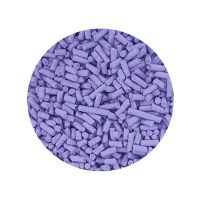
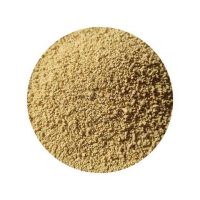
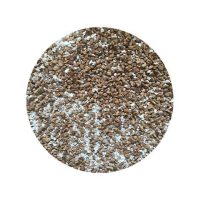
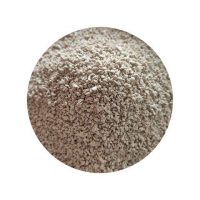
Cat litter MOQ is one of the first questions wholesale buyers ask, but the answer is rarely useful if it comes as a single number. One supplier may quote by bag count. Another may quote by ton. A private label project may be counted by packaging design, while a standard wholesale order may be counted by formula or container space. If you compare these answers too quickly, you can end up choosing the order that looks smaller on paper but costs more once it reaches your warehouse.
This guide is written for importers, distributors, pet product wholesalers, retailers, and private label brands that want to buy cat litter in a practical way. The aim is not to push buyers toward the biggest first order. It is to help you understand what MOQ really covers, where suppliers have flexibility, and how to place a first order that gives the product a fair chance in the market.
What cat litter MOQ actually means
MOQ means minimum order quantity. In cat litter sourcing, that minimum can be connected to several different things at the same time.
It may be the minimum production run for one formula. It may be the minimum amount of raw material a factory needs to prepare. It may be the lowest quantity that makes bag filling efficient. It may also come from printed packaging, because custom bags usually need their own printing, film, plate, or material preparation.
That is why a buyer should avoid asking only one question: what is your MOQ?
A better question is more specific. What is the MOQ for this formula in standard packaging? What changes if we use custom printed bags? Can we mix several bag sizes in one order? Can one container include tofu litter, cassava litter, and another clumping formula? Is the MOQ counted per SKU, per scent, per granule size, or per shipment?
Those details matter because MOQ is not only about production. It affects cash flow, warehouse space, product testing, retail launch speed, and your real landed cost.
Why cat litter MOQ changes by product type
Cat litter is not one product category with one production rule. Clay litter, tofu litter, cassava litter, mixed plant-based litter, crystal litter, and deodorizing products can all have different production, packaging, and loading requirements.
For a simple standard product, the supplier may have more flexibility because the formula and bag structure already exist. For a special formula, the factory may need to prepare a dedicated batch, test moisture level, adjust scent, or control granule size. That can raise the MOQ because the production line cannot switch materials endlessly without cost.
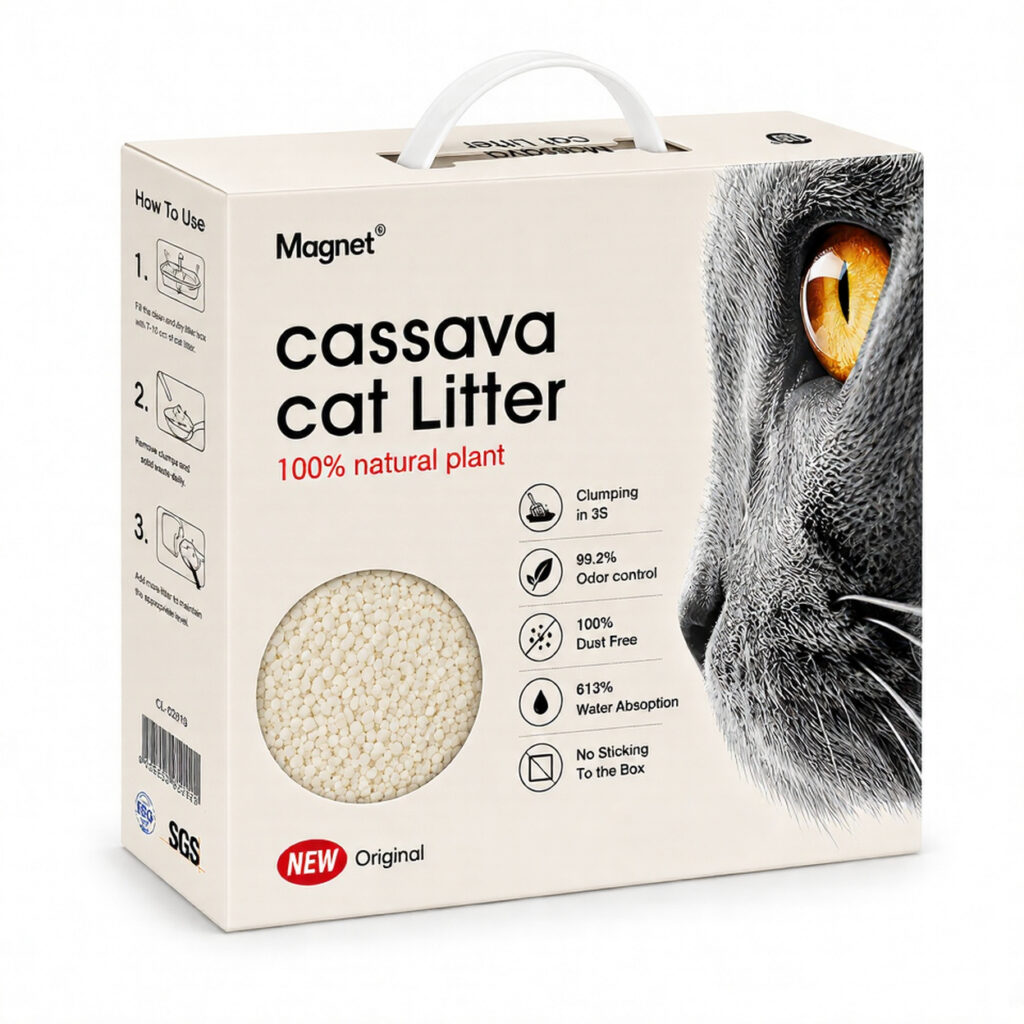
Plant-based litter is a good example. Tofu cat litter and cassava cat litter are attractive for many markets because they can be lighter, cleaner to handle, and easier to position as natural products. But the MOQ still depends on formula details. A standard unscented tofu litter in a normal bag may be easier to start than a custom mixed formula with a new scent and private label packaging.
For wholesale buyers, the useful rule is simple. The more you customize formula, granule, scent, bag size, and packaging at the same time, the less flexible MOQ becomes.
Standard packaging usually gives the easiest first order
If this is your first cat litter order from a supplier, standard packaging is often the cleanest way to start. It lets you focus on product performance instead of trying to solve formula, packaging, artwork, compliance copy, printing, and retail response all at once.
Standard packaging can also make sample approval faster. You can compare clumping, dust, odor control, tracking, bag strength, and handling before investing in a full private label run. For distributors, this is useful because early sales data is more honest than guesswork.
That does not mean private label should be avoided. It means private label works better when the product choice is already proven. A buyer who has tested the formula, confirmed the bag weight, and understood the selling channel can brief a private label cat litter manufacturer with fewer mistakes.
If the supplier offers both standard wholesale and private label options, ask for both MOQ paths. One path may be better for testing. The other may be better for building a long-term brand.
Private label cat litter MOQ is usually higher for a reason
Private label cat litter often has a higher MOQ because the supplier is not only filling bags. They are preparing a custom product package that belongs to your brand.
That can include printed film, bag material, color proofing, plate setup, barcode position, language requirements, label claims, carton structure, and sometimes a formula or scent adjustment. Even when the litter formula itself is standard, the packaging side can create a real minimum.
This is where many new buyers underestimate cost. They ask for private label too early, then discover that the MOQ is tied to the packaging supplier as much as the cat litter factory. If the design changes after proofing, the timeline can move again. If the first bag size is wrong, the whole retail plan may feel heavy before the product even launches.
Before starting private label, ask these questions:
- Is the MOQ based on bags, tons, pallets, or container loading?
- Is the MOQ counted per packaging design?
- Can the same design be used for multiple scents or formulas?
- What is the minimum for printed bags only?
- Can stickers or neutral packaging be used for a market test?
- What artwork file and proofing process do you need?
- What happens if the first printed bag has a color or seal issue?
Good suppliers do not hide these details. They explain them early because packaging mistakes are expensive for both sides.
Trial orders should test the market without killing margin
Many buyers want the smallest possible trial order. That is understandable, especially in a new market. But the smallest order is not always the safest order.
If the quantity is too low, the freight, handling, sample preparation, and packaging cost may push the unit cost so high that the product cannot compete. Then the buyer learns the wrong lesson. The product may look weak in the market, when the real problem was that the test order was too small to show a realistic price.
A practical trial order should answer three questions.
First, does the litter perform well enough for repeat purchase? Second, can the landed cost support your sales channel? Third, can the product be reordered without changing the formula, bag size, or retail promise?
For some buyers, that means starting with a limited SKU range in standard packaging. For others, it means a small private label launch with one strong hero formula. The right answer depends on the channel. A supermarket buyer may need shelf-ready packaging from the start. An online distributor may care more about unit weight and carton strength. A pet supply wholesaler may need a few formulas at different price points.
MOQ should support the test you actually need to run.
Container planning is part of MOQ planning
Bulk cat litter order planning is not only about what the factory can produce. It is also about what can be shipped efficiently.
Cat litter is heavy and takes space. A small change in bag weight, bag shape, pallet pattern, or mixed SKU plan can affect how many units fit into a container. This is why a serious wholesale cat litter discussion should include loading and logistics before the purchase order is confirmed.
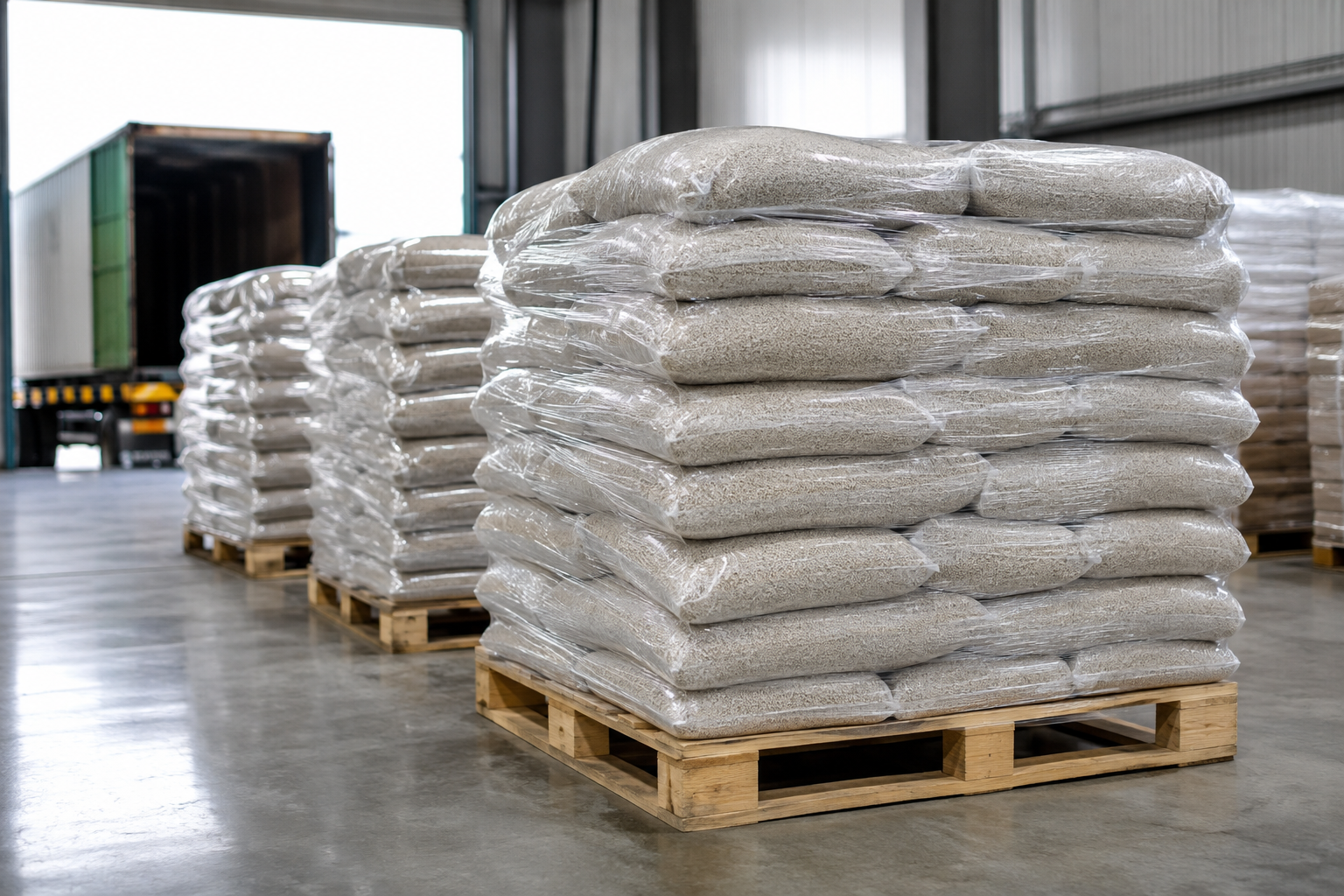
Ask the supplier how they normally load the product. Can pallets be used? Is floor loading better for your route? How are bags protected from moisture? Can different SKUs be mixed without crushing lighter bags? How many units fit in a 20-foot or 40-foot container? What happens if the order includes both light tofu litter and heavier mineral litter?
These questions sound operational, but they affect the phrase buyers care about most, wholesale price. A low FOB quote can lose its advantage if the loading plan is poor, the damage rate is high, or the shipment gives you fewer sellable units than expected.
MOQ should be read together with SKU strategy
One common mistake is spreading the first order across too many SKUs. Five formulas, three scents, four bag sizes, and two packaging designs may look like a complete product range, but it can make MOQ harder to manage.
For most new wholesale programs, a tight SKU plan is stronger. Choose the formulas that match your channel and let them sell. Once the first round of feedback is clear, you can expand with better confidence.
A simple launch range might include:
- One mainstream clumping litter for everyday buyers
- One low-dust natural litter for apartments and indoor cats
- One odor-control option for multi-cat homes
- One premium plant-based product for specialty retail
You do not need to cover every possible customer from the first shipment. You need enough choice to test demand without splitting volume so thin that every SKU becomes expensive.
If you are building from the broader cluster, use the wholesale cat litter supplier guide first, then use this MOQ guide to narrow the first purchase order.
Sample orders should come before MOQ negotiation
A cat litter sample order is not a formality. It is the buyer’s best chance to understand whether the MOQ is worth accepting.
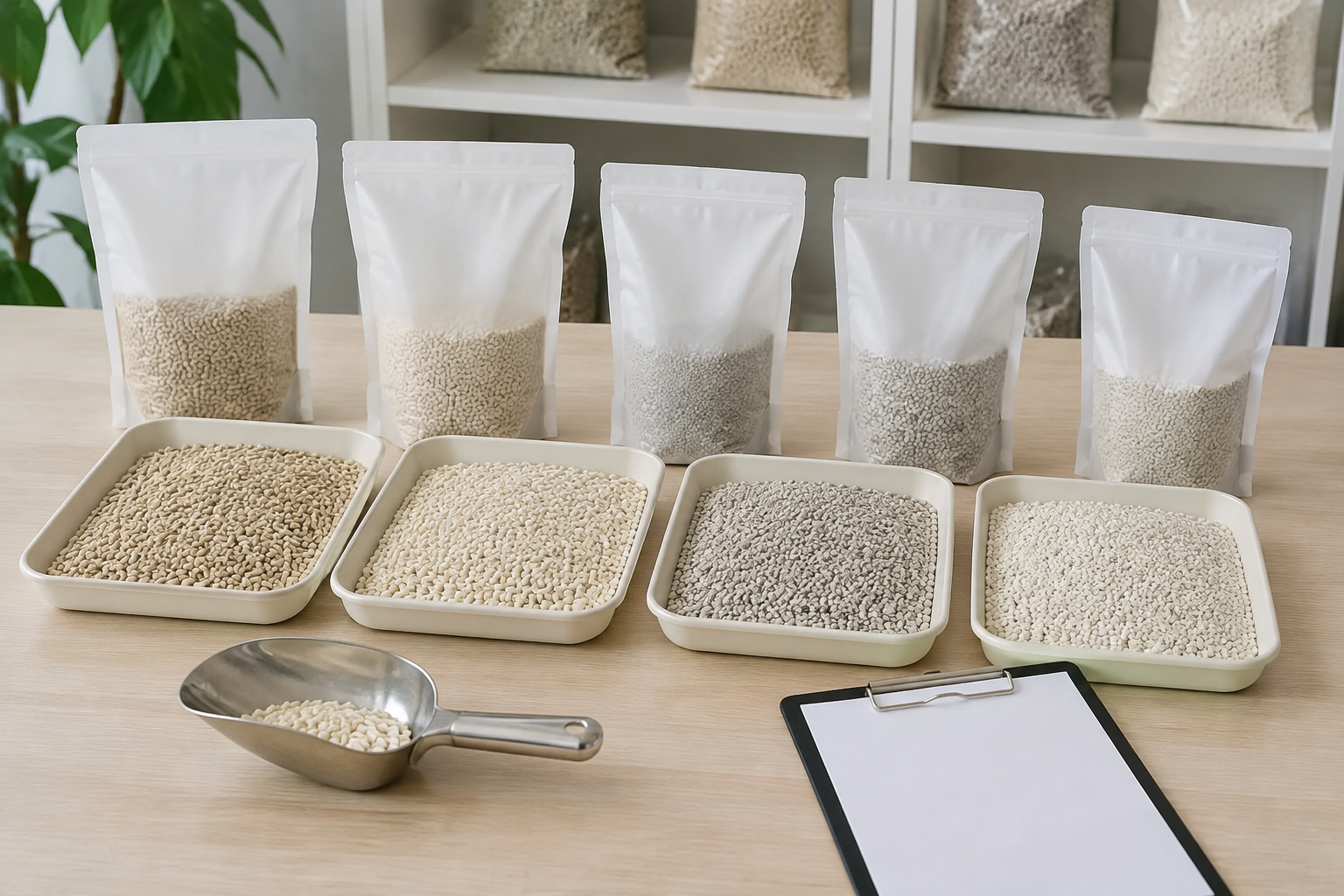
Test samples in the way customers will actually use the product. Pour the litter into a clean tray. Watch the dust when the bag is opened and poured. Test clump speed after liquid contact. Check clump hardness after several minutes. Scoop the litter, then look for breakage. Leave the tray for odor control testing. Check how much litter tracks outside the box.
Also test the packaging if you receive filled sample bags. Does the seal hold? Is the bag easy to carry? Does the material resist punctures? Does the litter create dust inside the bag after handling? Does the bag shape stack well?
For private label buyers, do not approve a full production MOQ from a digital packaging mockup alone. Empty bags can look fine, then behave differently when filled with several kilograms of litter. Real filled samples are worth the wait.
How to compare MOQ offers from different suppliers
Two suppliers may both say they can support a low MOQ, but they may not mean the same thing.
When comparing offers, check what is included:
- Formula and raw material
- Granule size and scent
- Bag weight and bag quantity
- Standard bag or custom printed bag
- Packaging proofing and printing cost
- Pallet or floor loading plan
- Sample cost and sample timeline
- Production lead time
- Reorder MOQ
- Mixed SKU rules
- Export documents and inspection options
The goal is to compare the whole buying path, not just the first number in the quote. A higher MOQ may be reasonable if it gives you stable production, better packaging, and lower landed cost. A lower MOQ may be useful if it lets you test the market quickly, but only if the price still makes sense.
This is also where working with an experienced cat litter manufacturer helps. A manufacturer that understands wholesale orders should be able to explain why the MOQ exists and what can be adjusted.
Packaging choices can change the real minimum order
Cat litter packaging affects much more than appearance. It affects filling efficiency, moisture protection, shelf display, breakage risk, pallet stability, and retail trust.
If the project uses a common bag structure, the MOQ may be easier to manage. If the project needs a special handle, zipper, thicker material, unusual bag size, premium finish, or several language versions, the packaging side may set the real minimum.
This is why cat litter packaging should be discussed before the final MOQ is agreed. A buyer may think they are negotiating a litter order, while the supplier is actually constrained by custom bag production.
For a first launch, consider whether the product really needs every packaging feature immediately. A clean standard bag, simple label, or limited private label design can sometimes get the product into the market faster. Once sales are proven, the second order can carry a more polished retail package.
Questions to ask before confirming a cat litter MOQ
Before you approve samples or place a purchase order, send the supplier a focused question list.
Ask:
- What is the MOQ for standard packaging?
- What is the MOQ for private label packaging?
- Is MOQ counted per formula, per scent, per bag size, or per design?
- Can we mix several SKUs in one container?
- What is the sample order process before bulk production?
- What is the production lead time after sample approval?
- How many bags fit in a 20-foot or 40-foot container?
- Can you provide a pallet loading or floor loading plan?
- What quality checks are done before shipment?
- What is the reorder MOQ if the first launch sells well?
These questions are simple, but they prevent a lot of later confusion. They also show whether the supplier understands wholesale buying or only knows how to quote a product list.
How Magnet discusses wholesale MOQ
Magnet’s wholesale cat litter supplier page describes OEM and ODM custom orders from 10 metric tons, with support for samples, bulk or pallet shipping, custom formulas, and packaging work. That number is a useful starting point for planning, but it should still be confirmed against the product you want to buy.
The final MOQ can change with formula type, bag size, printed packaging, mixed materials, destination market, and whether the order is a first trial or a repeat container. If you already know your target SKU, market, and preferred bag weight, the supplier can give a cleaner MOQ answer.
A better way to think about the first order
The right cat litter MOQ is not always the lowest MOQ. It is the order size that lets you test the product, protect your margin, and build a repeatable supply plan.
If your market is new, keep the SKU range tight. If your brand is new, do not over-customize before you know which formula sells. If your channel is price-sensitive, calculate landed cost before accepting a tiny trial order. If your retail buyer needs private label from day one, spend more time on packaging samples before production.
Cat litter is a repeat-purchase category. That is its strength. But repeat purchase only happens when the product performs, the bag survives handling, the price works, and the supplier can repeat the same standard again.
MOQ should be treated as part of that system, not as a number to negotiate in isolation.
FAQ
What is a normal cat litter MOQ for wholesale buyers?
There is no single normal MOQ for every cat litter order. MOQ can be based on formula, bag quantity, tons, packaging design, or container loading. Standard wholesale packaging is usually more flexible than private label packaging because it does not require custom printed bags.
Can I start with a small cat litter order before private label?
Yes, many buyers start with standard packaging or a limited SKU test before moving into private label. This helps confirm product performance, bag weight, price position, and customer response before investing in custom printed packaging.
Why does private label cat litter usually need a higher MOQ?
Private label cat litter often needs a higher MOQ because custom packaging has its own minimums. Printed film, bag material, proofing, design setup, and production changeover can all affect the real minimum order.
How should buyers compare MOQ offers from different suppliers?
Compare MOQ together with formula, packaging, bag weight, loading plan, sample process, lead time, quality control, and landed cost. A low MOQ is useful only when the finished product can still sell at a realistic margin.
Article summary: Cat litter MOQ is not just a number. Wholesale buyers should read it together with formula choice, packaging type, sample approval, SKU plan, container loading, and repeat-order cost.
Plan Your Cat Litter MOQ With Magnet
Share your formula, packaging, market, and order target. Magnet can help you compare practical MOQ options for wholesale, bulk, and private label cat litter.
Contact Magnet