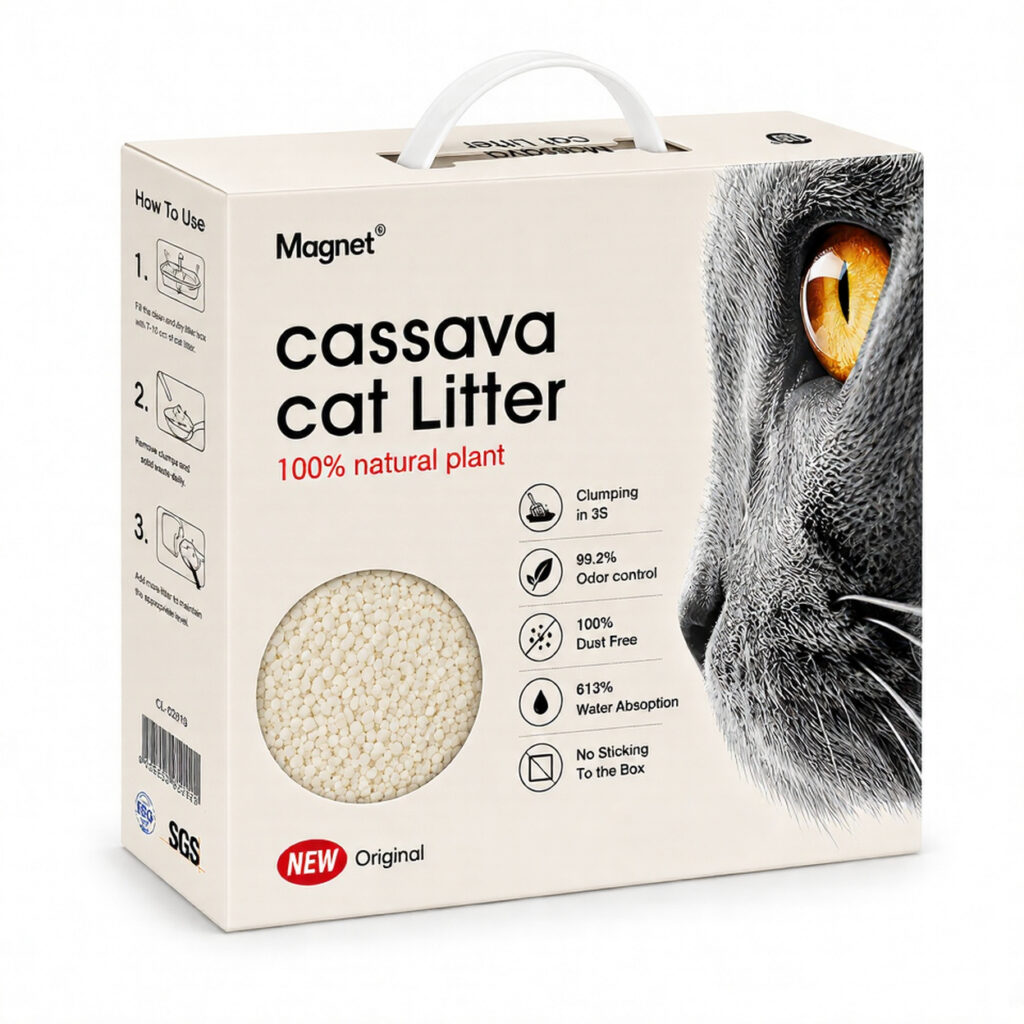




The new quote looks better, but your current bags are already on shelves and customers expect to find the same product next month. Switching cat litter suppliers is therefore not just a sourcing decision. It is a handover between two supply arrangements while sales continue.
No plan can eliminate every delay or product difference. A controlled transition can, however, reduce the avoidable problems: ordering too late, approving the wrong sample, discovering packaging restrictions after payment or mixing two visibly different products under one description.
Write Down Why You Are Switching
Separate the immediate frustration from the requirement the next supplier must meet. Repeated late deliveries, inconsistent product, poor communication and rising costs need different solutions.
If the problem is missed delivery dates, a slightly cheaper formula does not fix it. If the issue is product variability, a fast sales response is useful but not sufficient. Put the few requirements that matter most into the supplier brief.
Use your existing specification and your own observations where you are entitled to share them. Do not hand over another manufacturer’s confidential formulation or proprietary documents without permission. A new cat litter manufacturer should work from an authorized brief, not an assumption that every file belongs to the brand.
Decide What Must Stay the Same
List the customer-facing characteristics you intend to preserve: composition restrictions, particle format, fragrance, net contents, packaging usability and supported claims. Also record the commercial requirements, including case configuration and receiving arrangements.
Distinguish a replacement from a relaunch. If the new product has a noticeably different texture or composition, it may need revised descriptions and a deliberate customer transition rather than a quiet change of factory.
Do not ask for exactly the same product while leaving the important characteristics unwritten. Suppliers can interpret similar appearance very differently from equivalent customer experience.
Approve the Product Before Building the Launch Around It
Request a sample linked to the proposed commercial formula and packaging. Agree how it will be reviewed and how the approved version will be connected to the purchase order.
This article is not a substitute for product qualification, and no comparison results are assumed. The practical point is to make approval a real decision gate. Do not schedule a firm retail changeover solely around an early development sample or a promised future improvement.
If the first production order will use a different pack or process from the sample, identify the additional approval needed. Keep a written record of any limits or unresolved questions.
Plan Stock Against Availability for Sale
Count usable stock, not every bag physically in the warehouse. Deduct allocations, held material and stock unsuitable for the intended sales channel. Check confirmed inbound orders separately from tentative promises.
Work backward from the point when the new goods can be sold. Production completion is not warehouse availability. Include packaging readiness, inspection, transport, clearance where applicable, receiving and any required release checks.
Consider what happens if the first shipment slips. A smaller bridge order from the existing supplier may be worth discussing where the relationship and terms allow it. Alternatively, you may stage the transition by SKU or channel. The right buffer depends on demand and route uncertainty, not a universal number of weeks.
Resolve Packaging and File Ownership Early
Check which artwork, tooling, printed film and other materials you own or can use. Review existing commitments before asking a new factory to reproduce a pack. Obtain appropriate professional advice for contractual questions.
Confirm how unused packaging with the previous supplier will be handled. It can represent both a cost and an ongoing control issue for your brand.
Before the new print run, review barcodes, declared contents, manufacturer information where required and product claims. A visually identical bag is not proof that the information remains correct after the supply change.
Make the First Receipt Easy to Identify
Use clear batch and revision records so warehouse and customer-service teams can distinguish old from new supply. Decide how existing stock will be sold through and whether the two versions can sit together without confusing buyers.
Inspect the first delivery against the approved order before treating it as unrestricted stock. Record discrepancies while shipment evidence is available. Avoid immediately scaling the next order simply because the first container arrived on time.
Close the Handover With Actual Performance
Review receiving results, retailer feedback, customer complaints and replenishment communication. Keep the transition open until the new supply arrangement has demonstrated the requirements that motivated the change.
When contacting a wholesale cat litter supplier, explain both the product brief and the transition constraints. A useful proposal should address the handover, not only offer a lower price per bag.
The goal is continuity customers can trust. Treat the supplier change as a managed product and inventory decision, and the quotation becomes one part of the decision rather than the whole reason for making it.
Discuss a Supplier Transition Brief
Share your current product requirements, expected order volume and preferred transition window with Magnet. Keep confidential third-party information out of the enquiry.
Discuss Wholesale Supply