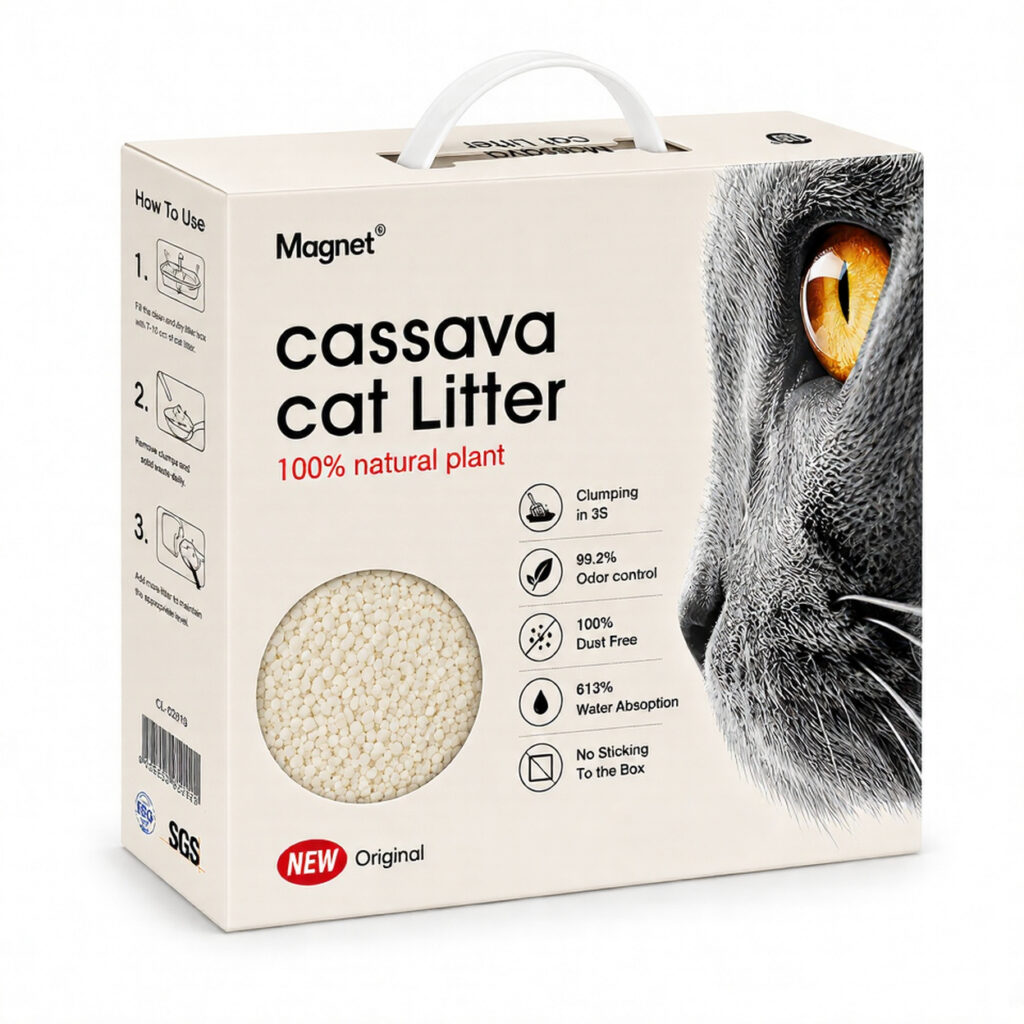


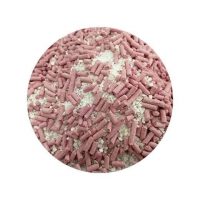


The first shipment should be large enough to test the business, but not so large that unsold bags become the business. That is why the choice between LCL and FCL cat litter shipping is partly a freight decision and partly an inventory decision.
LCL means your shipment shares container space with other cargo. FCL is a booking for a container, although it does not have to be physically full. Neither option is automatically the economical choice for every order.
Compare the Same Journey
Ask your forwarder for quotations covering the same origin, destination, cargo description and delivery endpoint. A port-to-port FCL rate should not be compared with an LCL quote that includes destination handling and warehouse delivery.
Separate product cost from logistics charges. Request the chargeable basis, origin fees, ocean transport, destination handling, documentation, customs service charges where applicable, delivery and any storage assumptions. Confirm which costs are estimates or payable by another party.
For LCL, ask how volume and weight determine the charged quantity. Do not insert a universal weight-to-volume rule into your model without the forwarder’s terms for that service.
Model Cost per Saleable Bag
Use the number of bags expected to arrive in saleable condition, not merely the number ordered. Include any handling or preparation needed at the receiving warehouse.
As an illustration only, imagine an LCL delivery costs $900 for 1,200 bags, or $0.75 per bag, while a larger FCL delivery costs $3,000 for 6,000 bags, or $0.50 per bag. These are invented inputs, not current freight rates.
The larger order saves $0.25 per bag in the illustrated logistics calculation. But it also requires purchasing and storing 4,800 additional bags. If demand is unproven, the freight saving is not enough information to approve the extra inventory.
Recalculate with storage, financing and realistic sell-through assumptions. A low unit freight cost can coexist with a poor first-order decision.
Discuss Handling and Packaging
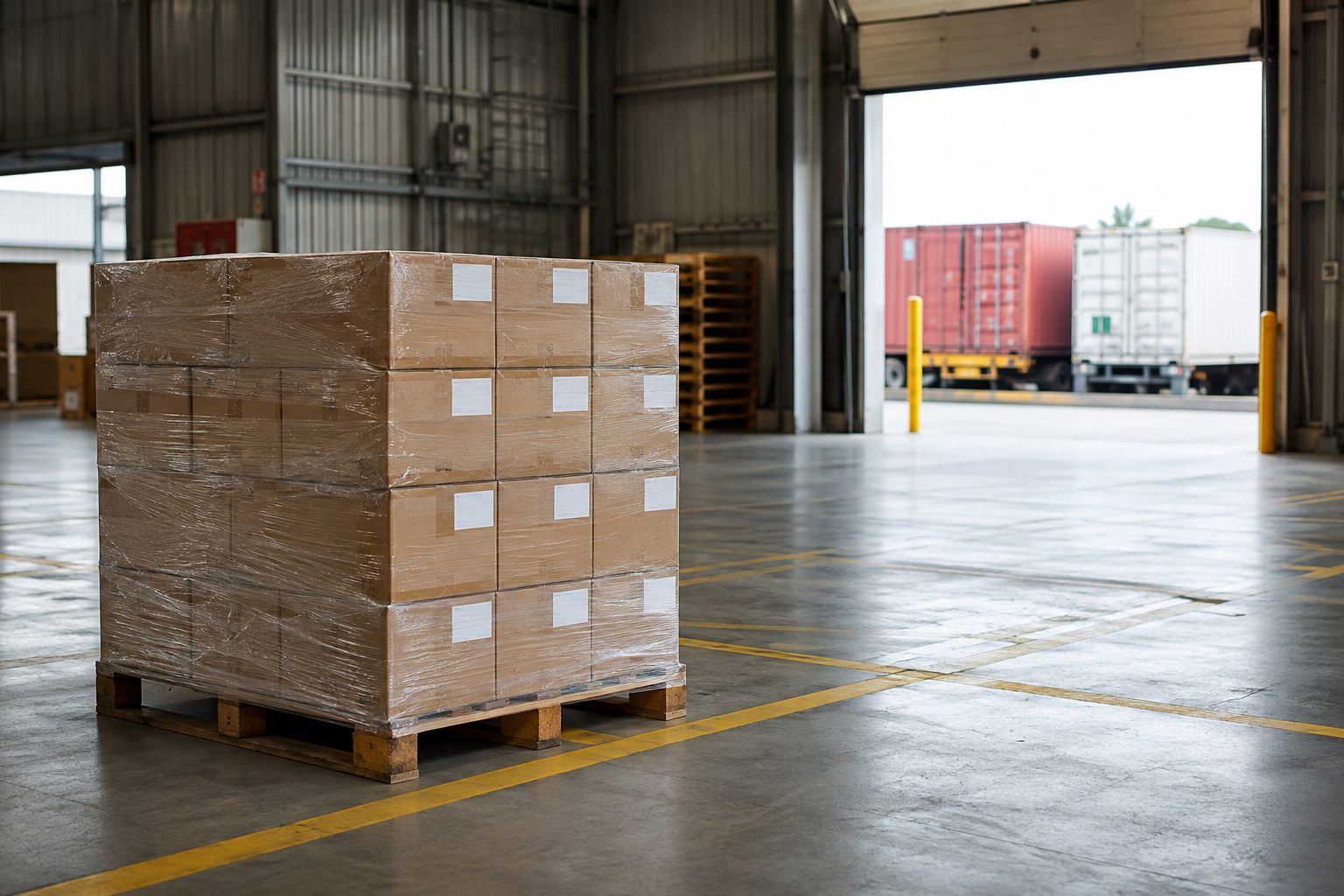
An LCL route may involve consolidation and deconsolidation steps that differ from a direct container delivery. Ask the service provider about the actual handling plan, packaging expectations and any restrictions on co-loaded goods.
A retail pouch is not automatically a sufficient shipping package. Determine whether the shipment needs cartons, pallets or other protection, and have the packing arrangement reviewed for the route. For safe container packing principles, the IMO CTU Code is a useful reference for the responsible logistics team.
Do not treat FCL as a guarantee against damage or moisture exposure. It gives a different shipment arrangement, not immunity from poor packing or storage.
Include the Destination Warehouse Early
Ask whether the receiver accepts floor-loaded cartons, which pallet formats it handles and how unloading is charged. Confirm booking requirements and what happens if customs clearance or delivery is delayed.
These questions can change the preferred option. A container that looks economical at the port may need extra labor and space that a small business does not have. An LCL shipment that seems convenient may carry destination charges that were missing from the initial comparison.
Keep a contingency allowance based on your route and service contract. Do not assume that a quoted transit period includes every step to stock becoming available for sale.
Separate Freight Volume From Factory Minimums
The ability to ship a small quantity does not mean the factory can produce a custom formula and printed packaging at that quantity. Confirm production minimums and packaging minimums separately.
When discussing a first order with a wholesale cat litter supplier, ask whether a standard formula or existing packaging option can support a smaller validation order. Treat availability as something to confirm, not an entitlement implied by the shipping method.
Choose for the Next Decision You Need to Make
LCL may suit a controlled market test where lower inventory commitment matters more than the lowest freight per bag. FCL may suit a repeat order with established demand, an appropriate receiving setup and a well-tested pack.
There is no universal break-even volume. Use current route quotations and your own sales forecast, then choose the shipment that gets useful stock into the market without taking an unnecessary inventory gamble.
Plan Your First Cat Litter Shipment
Send Magnet your estimated volume, destination and preferred pack format, then confirm route charges with your freight forwarder.
Discuss Wholesale Supply