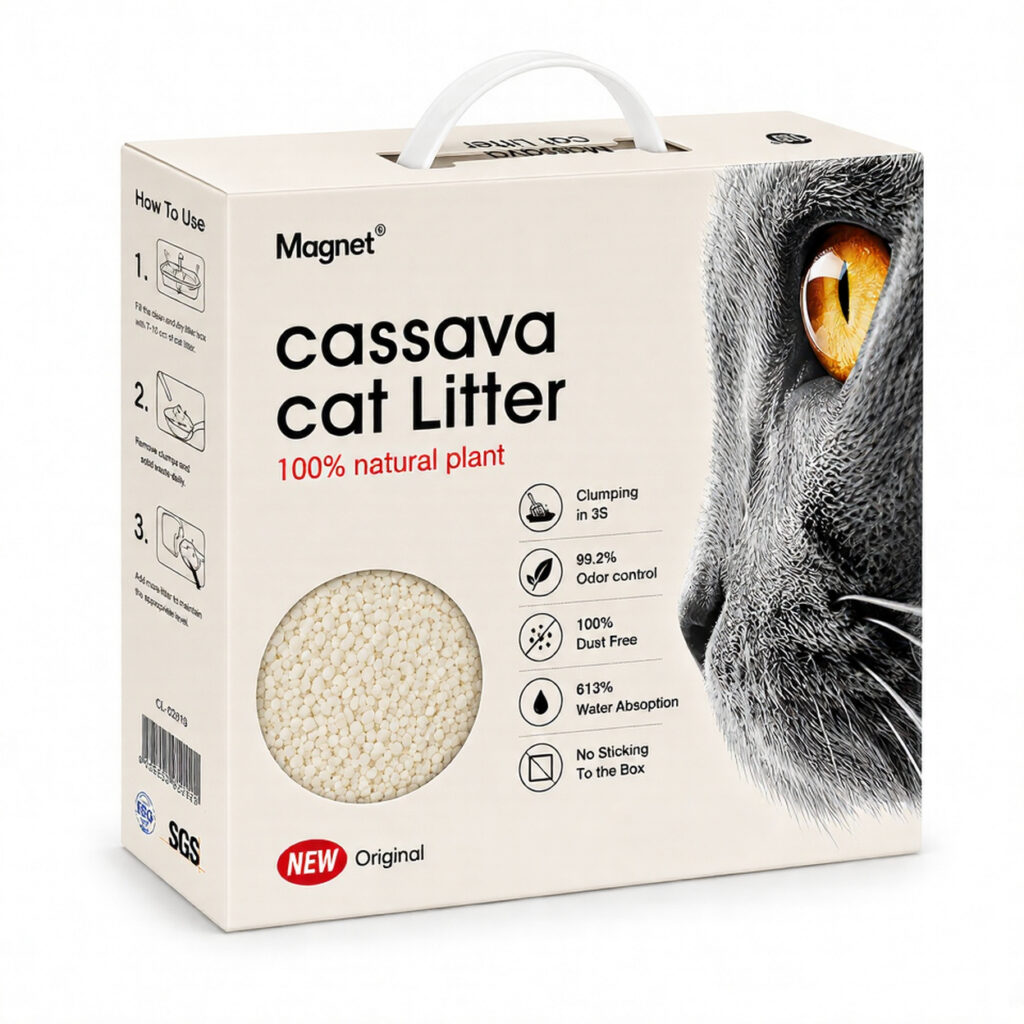
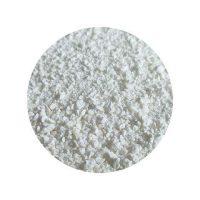
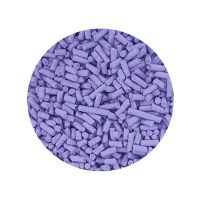
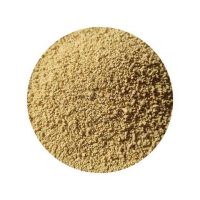
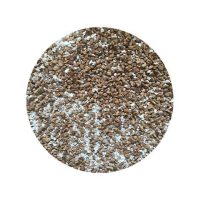
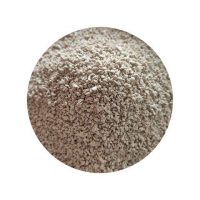
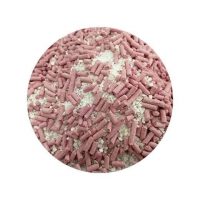
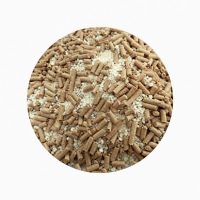

Crushed tofu cat litter and traditional tofu pellets may begin with a similar plant-based formula, but they do not feel like the same product in the litter box. One has an irregular, sand-like texture. The other is formed into neat cylinders, usually in a choice of diameters.
That difference changes clumping, customer expectations, package appearance, and how easily a cat accepts the switch from clay. For wholesalers and private label brands, choosing the format is not a cosmetic decision. It determines where the product belongs in the range and what claims customers will judge most closely.
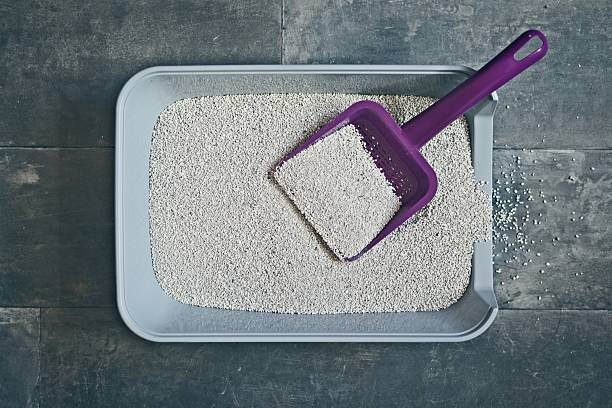
What crushed tofu cat litter looks and feels like
Crushed tofu litter is processed into irregular granules rather than uniform cylinders. Particle sizes vary within a controlled range, creating a texture closer to fine mineral litter.
The increased surface area gives liquid more points of contact. In a well-made formula, that can support faster absorption and a compact clump. Magnet’s crushed tofu product is specified at 0.5 to 3 mm with water absorption of at least 400 percent and dust content at or below 1 percent.
The texture is often the main selling point. Cats already used to clay or fine cassava litter may find it familiar. For a brand trying to move customers from clay into a plant-based option, that can reduce the friction of changing products.
What cylindrical tofu pellets offer
Cylindrical tofu cat litter is extruded into regular pellets. Common sizes include 1.5 mm, 2 mm, and 3 mm. The shape immediately signals that the product is different from clay litter and supports the clean, plant-based appearance many shoppers expect.
Pellet diameter gives the buyer a useful performance lever. A smaller cylinder creates more surface contact and may produce a tighter-looking clump. A larger pellet is easier to see and can be less likely to lodge in paws or travel far from the tray.
The regular shape also makes colour and fragrance variants easy to merchandise. A retail range can use the same granule format across unscented, activated charcoal, green tea, lavender, or other selected options.
The real difference is surface area
Crushing a pellet changes how much of the material is exposed. More exposed surface can take up moisture more quickly, which is why crushed formulas are often positioned around absorption and clumping.
Surface area also changes how the product moves. Fine granules settle into spaces around a wet spot and can create a dense clump. Cylindrical pellets leave larger gaps and may need a carefully balanced binder system to keep the clump intact.
This does not mean every crushed litter will beat every pellet. Raw material quality, moisture, binder ratio, drying, and screening still matter. Format can improve the opportunity for performance, but the finished product must be tested.
Compare clumps after scooping, not only after forming
Many sample demonstrations stop as soon as a clump appears. Wholesale buyers should continue the test. Scoop the clump, move it, and watch what remains in the tray.
A useful clump should lift without breaking into many damp pieces. It should not spread into a sticky layer on the bottom. It should also avoid taking an excessive amount of clean litter with it, because customers notice waste even if the clump looks strong.
Crushed tofu cat litter can form a dense clump because fine particles surround the moisture quickly. Pellets can produce a clean clump too, but the result varies with diameter and formula. Test both with the same litter depth, liquid quantity, waiting time, and scoop.
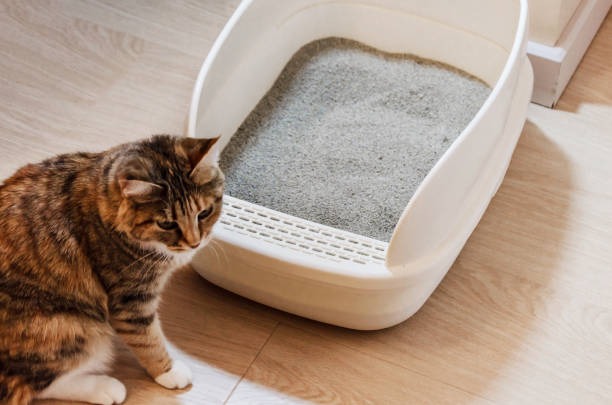
Think about cats moving from clay
Product switching is a commercial issue because an unsuccessful transition creates returns and negative reviews. Cats can be particular about texture, and a sudden move from fine clay to large tofu cylinders may feel unfamiliar.
Crushed tofu gives these customers a closer texture bridge. The grains move under the paws in a way that resembles sand or fine clumping litter. A retailer can recommend it to shoppers who want a plant-based product but are worried their cat will reject pellets.
Cylindrical tofu can still be introduced successfully. Packaging instructions can suggest a gradual transition by mixing the new litter with the previous product over several days. The point is to match the format and the customer expectation rather than assuming every cat responds the same way.
Tracking is more nuanced than particle size
It is tempting to say larger pellets always track less and finer granules always track more. In practice, tracking also depends on particle weight, surface texture, moisture, litter box design, mat use, and the cat’s coat and paws.
Cylindrical pellets are usually easier to spot and sweep when they leave the box. Fine crushed particles may travel farther, but a dense plant-based granule can behave differently from very light dust. Claims should be based on the finished sample, not on particle size alone.
For product testing, place the same mat around two identical boxes and measure what leaves each tray over several days. Even a simple controlled test gives better guidance than a supplier slogan.
Dust depends on durability and screening
Both formats can be low dust when production is controlled. The risk comes from weak granules, poor screening, moisture changes, and transport damage.
Crushed litter naturally contains smaller pieces, so the supplier must control the lower end of the particle range and remove powder. Cylindrical litter can look clean when packed but create fines if pellets rub and break during shipping.
Check the bottom of the bag, not just the first scoop. Pour from normal height and examine the dust cloud in consistent light. Then simulate transport by handling or gently tumbling a sealed sample and test again. The second result is closer to what a customer may see.
Packaging should match the format
Crushed tofu litter can appear denser in the bag and may settle differently during shipping. Cylindrical pellets create more visible air space and make the lightweight nature of the product obvious.
Choose bag dimensions after filling a real sample. A pack that is too loose may look underfilled after settling. A pack that is too tight can crush pellets or place stress on the seals. Transparent windows can show the format, but they also reveal powder and colour inconsistency immediately.
If the sales message depends on fine, sand-like texture, the customer should be able to understand that from the front of the bag. If the product uses a specific pellet diameter, show the size accurately rather than using a generic granule image.
Position each format for a different buyer
Crushed tofu cat litter works well as a performance-led upgrade. It can be positioned for cats switching from clay, shoppers who prefer a fine texture, and customers focused on fast absorption and compact clumps.
Cylindrical pellets are a broad retail format. They suit customers who already understand tofu litter, households that prefer visible low-tracking granules, and brands that want several scents or sizes built around one recognizable look.
A retailer may stock both when the roles are clear. The crushed product should not simply be called premium without explaining why. The pellet product should not be treated as basic if its larger size solves a real tracking complaint.
Compare cost per use, not only cost per kilogram
Fine litter and pellets can have different bulk density and clean-litter loss during scooping. That affects how long a bag lasts.
Measure how much product is removed with each test clump. Compare the filled bag volume, net weight, and number of practical uses. A format with a higher price per kilogram may still offer good value if it is light, absorbs efficiently, and wastes less clean litter.
For importers, repeat the calculation at container level. Packaging dimensions, bag count, pallet pattern, and total shipment weight all contribute to landed cost. The tofu cat litter bulk buying guide explains how to structure that comparison.
Use matched samples for a fair decision
Ask the manufacturer for crushed and cylindrical versions with the closest possible base formula. If one sample is scented and the other uses activated charcoal, the comparison will be muddled by more than shape.
Evaluate the same points for both:
- Absorption speed
- Clump strength after lifting
- Tray sticking
- Dust before and after handling
- Tracking around the box
- Cat acceptance
- Odor control over several days
- Clean litter removed with each clump
- Bag appearance after settling
Record observations rather than relying only on scores. A note such as faster clump but more material removed is more useful for product development than a single number.
Decide whether to launch one format or both
A new brand with limited shelf space should usually lead with the format that answers its clearest customer problem. Choose crushed tofu if clay conversion and fine texture are central. Choose cylindrical pellets if low tracking, recognizable tofu appearance, or fragrance variety matters more.
An established distributor may stock both, especially when it serves pet specialty and mass retail channels. Use different packaging messages and, where possible, different bag sizes or price positions so the products do not cannibalize each other.
Mixed containers can make a two-format test practical, but confirm the minimum per SKU and packaging design. Fewer bags of too many variants can make replenishment inefficient.
Write the specification before approving the order
The product name crushed tofu litter is not a complete specification. Buyers should agree on particle range, permitted fines, moisture, absorption, dust, clumping, colour, ingredients, bag weight, and packaging tolerance.
For pellets, include diameter and acceptable breakage. For crushed litter, define the particle distribution so future batches do not gradually become much finer or coarser.
Keep an approved sample and connect it to the purchase order. A factory can only reproduce what has been defined clearly.
Magnet offers both crushed tofu cat litter and cylindrical tofu cat litter for wholesale and private label programs. Testing both formats side by side is the most reliable way to choose.
FAQ
What is crushed tofu cat litter?
Crushed tofu litter is a plant-based litter processed into irregular fine granules instead of uniform cylinders. The increased surface area can support fast absorption, compact clumping, and a sand-like paw feel.
Does crushed tofu litter clump better than pellets?
It can clump faster or more densely because smaller particles surround moisture quickly. Final performance still depends on ingredients, binder ratio, drying, moisture, and particle control, so buyers should compare finished samples.
Is crushed tofu litter suitable for cats switching from clay?
Its fine texture is closer to clay than large tofu pellets, which may make transition easier for some cats. A gradual change is still recommended for animals that are sensitive to litter texture.
Which tofu pellet size tracks the least?
Larger pellets often travel less, but tracking also depends on particle weight, paw and coat type, litter depth, and box setup. Test the actual 1.5 mm, 2 mm, and 3 mm formulas before making a claim.
Can crushed and pellet tofu litter ship in one container?
Yes, mixed-format orders may be possible when each SKU meets the supplier’s production and packaging minimum. Confirm the loading plan and quantity per format before printing bags.
Article summary: Crushed tofu litter and cylindrical pellets use similar plant-based ingredients but deliver a different texture and customer experience. Wholesale buyers should choose by target user, clumping, tracking, bag presentation, and landed economics.
Compare Tofu Cat Litter Formats
Request crushed and cylindrical tofu cat litter samples from Magnet. We can help you compare granule size, performance, packaging, and private label options for your market.
Request Samples